Introduction to Three-Wire Proximity Switches
Three-wire proximity switches with integrated magnets represent a specialized category of non-contact sensors widely utilized in industrial automation and control systems. These devices operate by detecting the presence or absence of a magnetic field, typically generated by a permanent magnet or a ferromagnetic target. Unlike two-wire variants, the three-wire configuration includes separate lines for power supply, ground, and output signal, offering enhanced performance characteristics such as faster switching speeds, lower leakage current, and improved signal integrity. This design is particularly favored in applications requiring precise and reliable position sensing, such as in conveyor systems, robotic arms, and safety interlocks. The integration of a magnet within the sensor housing or as an external component allows for detection through non-ferrous materials, enabling versatile mounting options and operation in challenging environments where direct contact is impractical or hazardous.
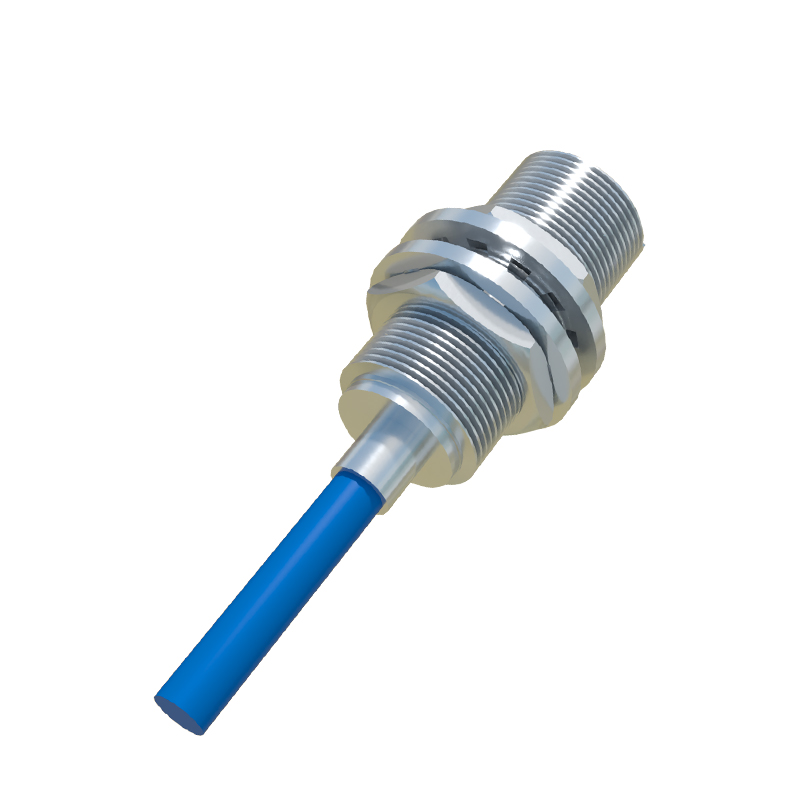
Operating Principle and Magnetic Sensing
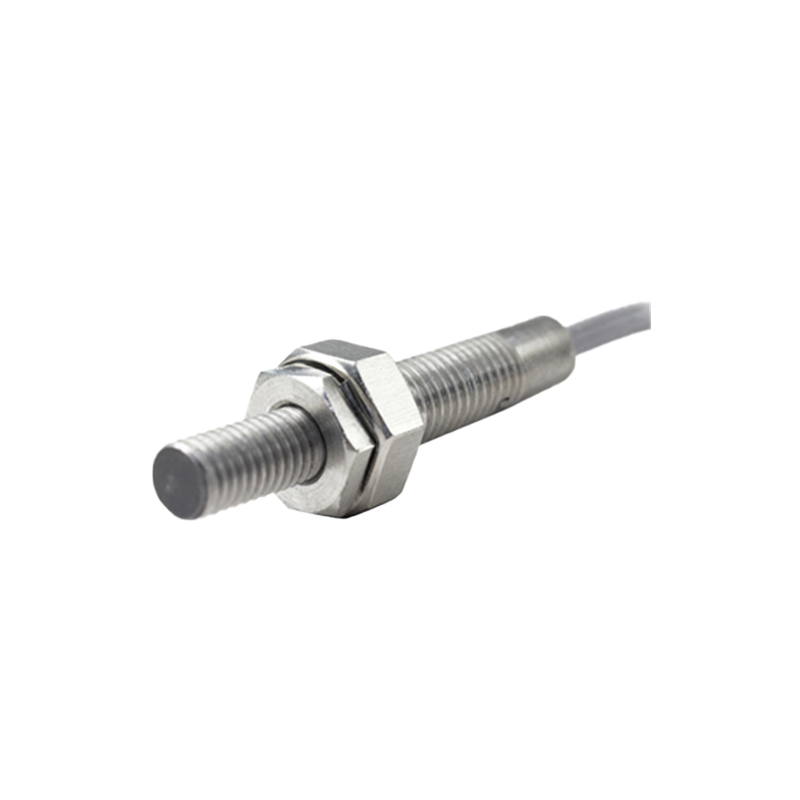
The core functionality of these sensors relies on magnetically actuated switching mechanisms, often employing reed switches or Hall-effect sensors. In a typical setup, a permanent magnet is positioned opposite the sensor. When a ferromagnetic object (like a steel plate) enters the magnetic field, it alters the flux density, triggering the internal switch. For Hall-effect-based sensors, the magnetic field directly influences semiconductor properties, generating a voltage change that is processed to produce a digital output. Three-wire designs commonly use PNP (sourcing) or NPN (sinking) transistor outputs, providing compatibility with various programmable logic controllers (PLCs) and microprocessors. The inclusion of a third wire for output allows for a clear, low-noise signal transmission, minimizing false triggers and enhancing overall system reliability. This principle ensures consistent performance even in presence of dust, moisture, or vibrations, common in industrial settings.
Key Advantages in Industrial Applications
Three-wire magnetic proximity switches offer several distinct benefits that make them indispensable in modern engineering. Firstly, their non-contact nature eliminates mechanical wear, leading to longer service life and reduced maintenance costs. The ability to sense through non-metallic barriers allows for sealed installations, protecting sensitive components from corrosive substances or extreme temperatures. Additionally, the three-wire configuration supports higher switching frequencies—often up to several kilohertz—enabling use in high-speed counting or positioning tasks. The separate power and signal lines also prevent load interference, ensuring stable operation when connected to inductive loads like relays or solenoids. Engineers value these sensors for their simplicity in integration, as they typically require only basic wiring and minimal calibration, speeding up deployment in assembly lines or machinery upgrades.
Installation and Wiring Considerations
Proper installation is crucial for optimal performance of three-wire magnetic proximity switches. The wiring typically involves connecting the brown wire to positive DC supply (e.g., +24V), the blue wire to ground (0V), and the black wire as the output signal to the control device. It is essential to verify the sensor's voltage rating (commonly 10-30V DC) and output type (PNP or NPN) to match the control system requirements. Mounting should ensure precise alignment between the sensor and the target magnet, with recommended sensing distances specified by manufacturers to avoid false readings. Shielding may be necessary in environments with strong electromagnetic interference (EMI). Additionally, using twisted-pair cables for longer runs can reduce noise pickup. Regular testing with a multimeter or oscilloscope helps confirm signal integrity, especially in critical safety applications where fail-safe operation is mandatory.
Common Challenges and Troubleshooting Tips
Despite their robustness, these sensors can encounter issues in demanding conditions. One frequent problem is reduced sensing range due to misalignment or weakened magnets over time. Inspecting for physical damage and recalibrating positions often resolves this. Electrical faults, such as short circuits or open wires, may cause erratic output; checking continuity and insulation resistance is advised. Environmental factors like temperature extremes can affect magnetic properties—selecting sensors with appropriate IP ratings and temperature tolerances mitigates this. Interference from adjacent motors or power lines might induce noise; relocating cables or adding ferrite beads can help. For persistent failures, consulting manufacturer datasheets for diagnostic LED indicators or output waveforms provides deeper insights. Implementing routine maintenance schedules, including cleaning and functional tests, ensures long-term reliability and prevents unexpected downtime in automated processes.
Future Trends and Innovations
The evolution of three-wire magnetic proximity switches continues to align with Industry 4.0 and smart manufacturing trends. Recent advancements incorporate IoT capabilities, enabling sensors to transmit diagnostic data wirelessly for predictive maintenance. Miniaturization efforts are producing compact designs with extended sensing ranges, suitable for space-constrained applications. Enhanced materials