Introduction to Proximity and Laser Autofocus Sensing
In the realm of modern electronics, particularly within smartphones, automotive systems, and industrial automation, the demand for precise, non-contact detection and focusing has surged. Two critical technologies meeting this demand are proximity sensors and laser autofocus sensors. While often mentioned together due to their complementary roles in devices like cameras, they operate on distinct principles. Proximity sensors are designed to detect the presence or absence of an object within a certain range without physical contact. Laser autofocus sensors, a subset of time-of-flight (ToF) technology, use laser pulses to measure distance with high accuracy, enabling rapid and precise lens adjustment for photography and other applications. This article delves into the various types of these sensors, their working mechanisms, and their industry applications.
Types of Proximity Sensors
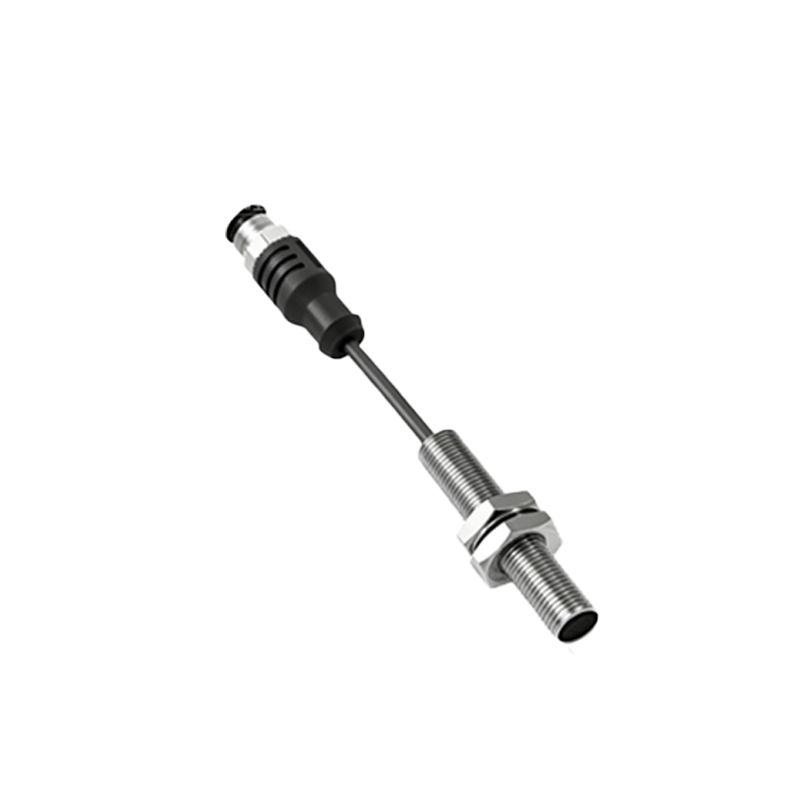
Proximity sensors come in several varieties, each suited for specific environments and materials. Inductive proximity sensors are among the most common in industrial settings. They generate an electromagnetic field and detect eddy current losses induced in metallic targets. These sensors are robust, reliable for detecting metals, and unaffected by non-metallic substances like dust or liquids. Capacitive proximity sensors, on the other hand, can detect both metallic and non-metallic materials, including liquids, powders, and plastics. They work by sensing changes in capacitance caused by the presence of a target object within an electrostatic field. This makes them versatile for applications in food processing, chemical plants, and material handling. Photoelectric proximity sensors utilize light beams, typically infrared, to detect objects. They are further categorized into through-beam, retro-reflective, and diffuse-reflective types, offering long detection ranges and high precision for diverse object colors and surfaces.
Laser Autofocus Sensor Technology
Laser autofocus sensors represent a significant advancement in focusing technology, primarily integrated into smartphone cameras and professional imaging equipment. The core technology is Laser Detect Autofocus (LDAF) or more broadly, a Time-of-Flight (ToF) method. A low-power laser diode emits an infrared laser pulse towards the subject. A sensor then measures the time it takes for the pulse to reflect back. Using the constant speed of light, the system calculates the exact distance to the subject. This data is instantly relayed to the camera's lens actuator, enabling near-instantaneous focus acquisition, even in low-light conditions where traditional contrast-detection autofocus struggles. This technology is not limited to photography; it is crucial for applications in robotics for obstacle avoidance, in augmented reality for spatial mapping, and in automotive systems for adaptive cruise control and parking assistance.
Key Applications in Consumer Electronics
The synergy of proximity and laser sensors is most visible in consumer electronics. In smartphones, a standard infrared (IR) proximity sensor is used to disable the touchscreen during calls when the device is near the ear, preventing accidental inputs. Simultaneously, a laser autofocus sensor, often part of the rear camera module, ensures fast and accurate focusing for photos and videos. This combination enhances user experience by providing both intuitive device interaction and high-quality imaging. Beyond phones, these sensors are integral to laptops (for user presence detection to conserve power), gaming consoles (for gesture recognition), and smart home devices (for automatic activation of displays or lights).
Industrial and Automotive Implementations
In industrial automation, proximity sensors are workhorses for position detection, object counting, and machine safety. Inductive sensors monitor conveyor belt operations, while capacitive sensors control liquid levels in tanks. Photoelectric sensors ensure precise alignment in assembly lines. Laser sensors, including LiDAR (Light Detection and Ranging)—an advanced form of laser ranging—are revolutionizing the automotive industry. They are key components for Advanced Driver-Assistance Systems (ADAS), enabling features like automatic emergency braking, lane-keeping assistance, and self-parking. The high-speed, accurate distance measurement provided by laser technology is critical for real-time environmental perception and decision-making in autonomous vehicles.
Performance Considerations and Selection Criteria
Selecting the right sensor requires careful analysis of performance parameters. For proximity sensors, key factors include sensing range, response time, repeat accuracy, and environmental robustness (IP rating, temperature tolerance). The target material's properties (metal type, color, transparency) directly influence the choice between inductive, capacitive, or photoelectric types. For laser autofocus sensors, critical specifications are measurement range, accuracy (often in millimeters), speed (acquisition time), and power consumption. Interference from ambient light, especially sunlight, can affect some laser sensors, so models with modulated signals or specific optical filters are preferred for outdoor use. In both cases, the physical size and integration compatibility with