Introduction to Inductive Proximity Sensing
The ZEE-104S represents a pinnacle of reliability in the realm of inductive proximity sensors. Operating on the principle of electromagnetic induction, this sensor detects the presence of metallic objects without any physical contact. When a metal target enters its sensing field, it causes eddy currents to form on the sensor's active face, which in turn dampens the oscillation amplitude of an internal LC oscillator circuit. This change is precisely evaluated by the sensor's circuitry to produce a clean, switching output signal. This non-contact operation is fundamental to its long operational life and high resistance to mechanical wear, making it indispensable in harsh industrial environments.
Core Technical Specifications of the ZEE-104S
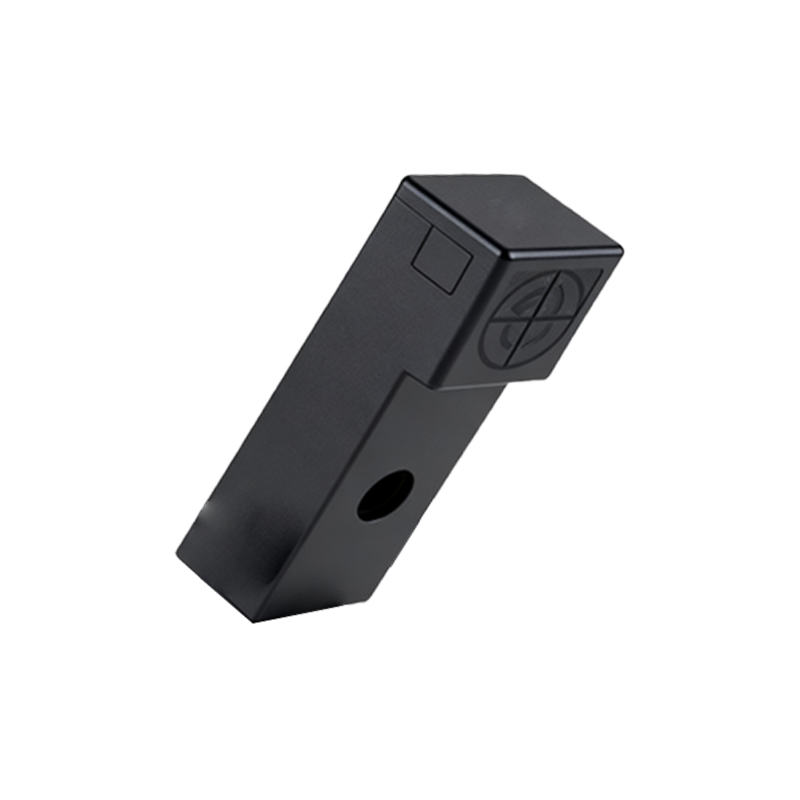
The ZEE-104S is engineered for robust performance. Typically, it features a sensing range of up to 4mm for mild steel (Fe360), though this can vary slightly with different target materials. It operates on a standard DC supply voltage, commonly 10-30V DC, with a low residual current in the off-state. The output is typically a PNP normally-open (NO) configuration, providing a clear signal when a target is detected. Key specifications include a high switching frequency, allowing it to detect rapidly moving objects, and a robust housing rated at IP67, ensuring protection against dust ingress and temporary immersion in water. Its built-in protection against short-circuit, overload, and reverse polarity enhances system durability.
Installation and Wiring Considerations
Proper installation is critical for optimal performance. The ZEE-104S should be mounted securely, ensuring that only the specified sensing face is exposed to the target area. It is crucial to maintain the recommended lateral and axial distances between multiple sensors to prevent mutual interference. For wiring, the standard three-wire configuration is used: brown wire for positive supply (+V), blue wire for negative supply (0V), and black wire for the switched output signal. Always refer to the manufacturer's datasheet for the exact pinout and ensure the load (e.g., a PLC input or relay) is connected within the sensor's rated current capacity. Shielding the cable in electrically noisy environments is a recommended best practice.
Material and Temperature Influences on Sensing
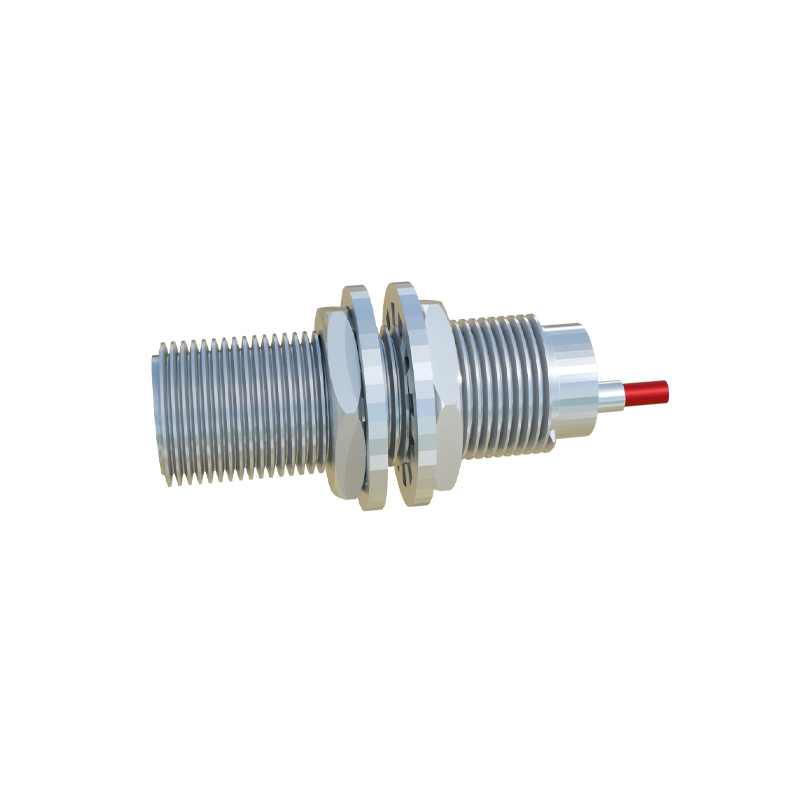
The performance of an inductive sensor like the ZEE-104S is directly influenced by the target material's properties. The standard sensing distance is calibrated for mild steel. For other metals, a correction factor must be applied; for instance, stainless steel may reduce the effective range to approximately 0.8 times the nominal value, while brass or aluminum can reduce it to 0.4-0.5 times. Ambient temperature is another vital factor. The sensor is designed to operate within a specified temperature range, usually from -25°C to +70°C. Operating outside these limits can affect the sensing distance accuracy and potentially damage the internal electronics.
Typical Industrial Application Scenarios
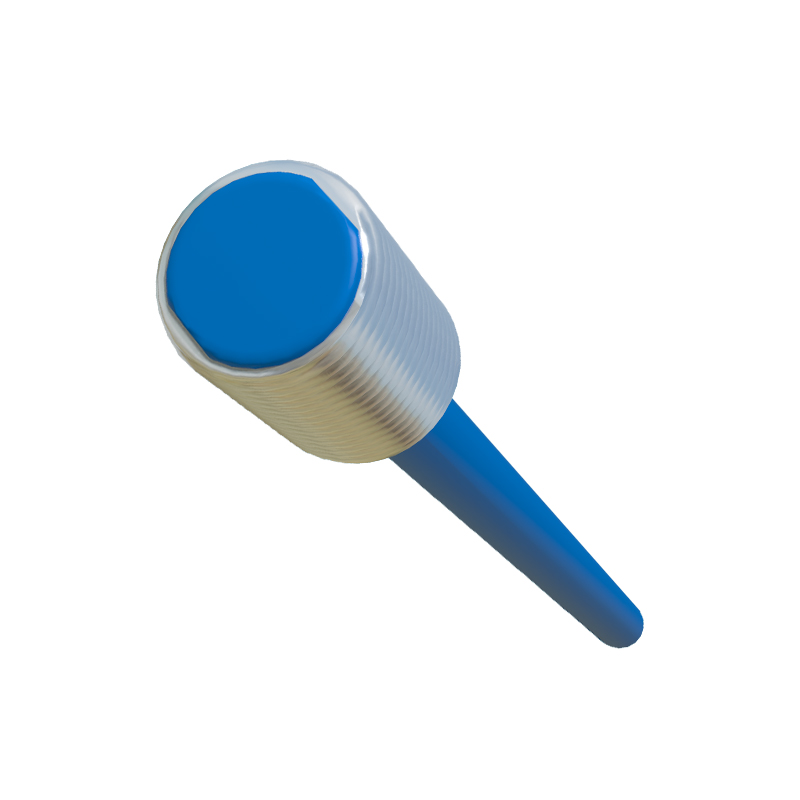
The versatility of the ZEE-104S makes it a workhorse across numerous sectors. In automated assembly lines, it is used for precise part presence verification, ensuring a component is in place before a robotic arm performs an operation. Within packaging machinery, it counts metallic items on a conveyor belt. In metalworking, it serves as an end-of-travel limit switch for CNC machines or robotic arms, providing precise positional feedback. Its rugged design also makes it suitable for harsh applications like mobile hydraulics or agricultural equipment, where it can monitor the position of metallic rods or detect the level of metal components in bins.
Troubleshooting and Maintenance Best Practices
Despite their robustness, sensors may occasionally require troubleshooting. Common issues include failure to detect a target. First, verify the power supply voltage and polarity. Next, check if the target is within the rated sensing distance and is of a detectable material. Inspect the sensor face for accumulation of metallic swarf or debris, which can cause erratic behavior. Using a multimeter, measure the output voltage relative to 0V when a target is presented. Regular maintenance involves keeping the sensing face clean and periodically checking the mechanical integrity of the mounting and cable strain relief. Implementing these practices minimizes unplanned downtime.
Comparison with Other Sensor Technologies
While the ZEE-104S excels in metallic object detection, understanding its place relative to other technologies is key for proper selection. Compared to capacitive sensors, it is immune to non-metallic materials like wood or plastic, offering superior selectivity in metal-dominant environments. Versus photoelectric sensors, it is unaffected by ambient light, dust, or opaque fluids that could block a light beam, making it ideal for dirty or washdown areas. However, for detecting all material types or for very