Introduction to Sensor Configuration
Proximity and light sensors are integral components in modern electronic systems, enabling devices to detect the presence of objects or ambient light levels. These sensors are widely used in smartphones, industrial automation, automotive applications, and smart home devices. A common question among engineers and developers is whether these sensors can be configured to meet specific operational requirements. The answer is yes—most proximity and light sensors offer configurable parameters that allow for customization based on application needs. This article explores the configurability of these sensors, detailing the methods, parameters, and considerations involved in setting them up effectively.
Understanding Sensor Types and Principles
Proximity sensors typically operate using infrared (IR) or ultrasonic technology to detect objects within a certain range without physical contact. Light sensors, such as ambient light sensors (ALS), measure the intensity of light in an environment using photodiodes or similar components. Both sensor types convert physical inputs into electrical signals, which are then processed by microcontrollers or dedicated ICs. Configurability depends on the sensor's design; for instance, digital sensors often provide programmable registers via I2C or SPI interfaces, while analog sensors may require external circuitry adjustments. Understanding the underlying technology is crucial for effective configuration, as it determines the available settings and limitations.
Key Configurable Parameters
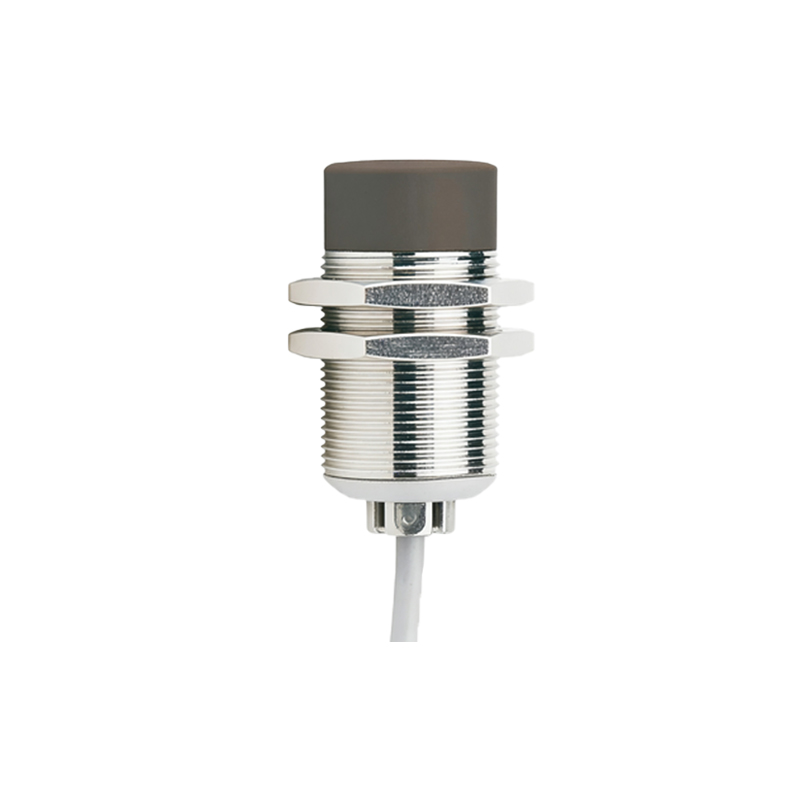
Proximity and light sensors can be adjusted through various parameters to optimize performance. For proximity sensors, common configurable settings include detection range, sensitivity, and response time. Detection range defines the maximum distance at which an object can be sensed, often adjustable via firmware or hardware tweaks. Sensitivity controls the threshold for triggering detection, helping to avoid false positives from environmental interference. Response time determines how quickly the sensor reacts to changes, which is vital in high-speed applications. Light sensors, on the other hand, allow adjustments in gain, integration time, and interrupt thresholds. Gain settings amplify the sensor's output signal for better resolution in low-light conditions, while integration time affects the sampling rate and accuracy. Interrupt thresholds can be set to trigger actions when light levels cross predefined limits, enabling energy-efficient operations in devices like displays.
Configuration Methods and Interfaces
Configuring these sensors typically involves software, hardware, or a combination of both. For digital sensors, programming is done through communication protocols like I2C or SPI, where registers are written to with specific values to adjust parameters. Many manufacturers provide software libraries or APIs to simplify this process, allowing engineers to integrate sensors into systems with minimal coding. Hardware configuration might include adjusting potentiometers for analog sensors or modifying resistor networks to set detection ranges. In industrial settings, dedicated configuration tools or GUI-based software are often available for fine-tuning sensors during installation. It's essential to refer to the sensor's datasheet and application notes for precise instructions, as improper configuration can lead to suboptimal performance or damage.
Applications and Customization Examples
The ability to configure proximity and light sensors enhances their versatility across industries. In smartphones, proximity sensors are set to disable touchscreens during calls to prevent accidental inputs, with sensitivity adjusted to work through various materials like glass or plastic. Light sensors in these devices automatically adjust screen brightness based on ambient conditions, with configuration focusing on response speed and threshold levels to ensure user comfort. In automotive systems, proximity sensors in parking assist features are configured for specific detection ranges and environmental robustness to handle weather variations. Industrial automation uses configurable sensors for object detection on conveyor belts, where parameters like response time and range are tuned for high precision and reliability. Smart home devices, such as lighting systems, employ light sensors with customized thresholds to trigger lights only at certain darkness levels, saving energy.
Challenges and Best Practices
While configuring these sensors offers flexibility, it also presents challenges. Environmental factors like temperature, humidity, and electromagnetic interference can affect sensor performance, requiring careful calibration. Engineers must balance parameters to avoid trade-offs—for example, increasing sensitivity might reduce range or increase power consumption. Best practices include thorough testing in real-world conditions, using manufacturer-recommended settings as a baseline, and implementing feedback loops for adaptive configuration. Documentation and version control for configuration settings are also crucial in production environments to ensure consistency. Additionally, considering power constraints is vital, as some configurations may impact battery life in portable devices. Regular updates and recalibration may be necessary to maintain accuracy over time, especially in dynamic applications.
Future Trends in Sensor Configuration
Advancements in sensor technology are making configuration more intuitive and automated. Machine learning algorithms are being integrated to enable self-calibrating sensors that adapt to changing environments without manual intervention. The rise of IoT and smart systems is driving demand for sensors with remote configuration capabilities