Introduction to Universal Proximity Sensors
Universal proximity sensors are versatile electronic devices designed to detect the presence or absence of objects without physical contact. Utilizing various technologies such as inductive, capacitive, ultrasonic, and photoelectric principles, these sensors offer reliable performance in diverse environments. Their ability to operate in harsh conditions—including extreme temperatures, dust, and moisture—makes them indispensable in modern industrial automation. By converting detected object information into electrical signals, they enable precise control and monitoring, forming the backbone of countless automated systems. The adaptability of universal proximity sensors allows for seamless integration across multiple sectors, driving efficiency and safety.
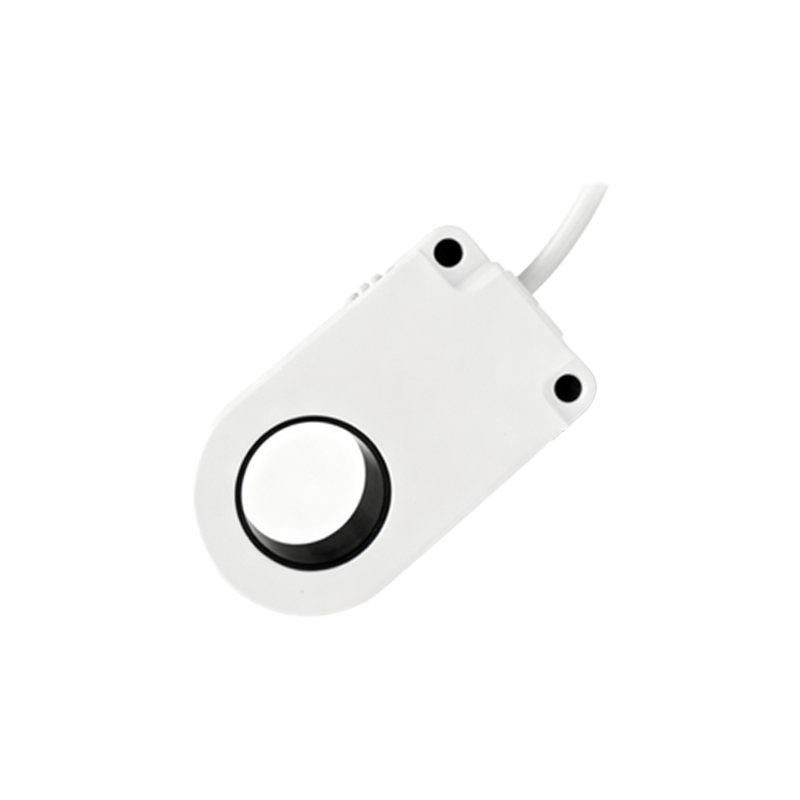
Manufacturing and Assembly Lines
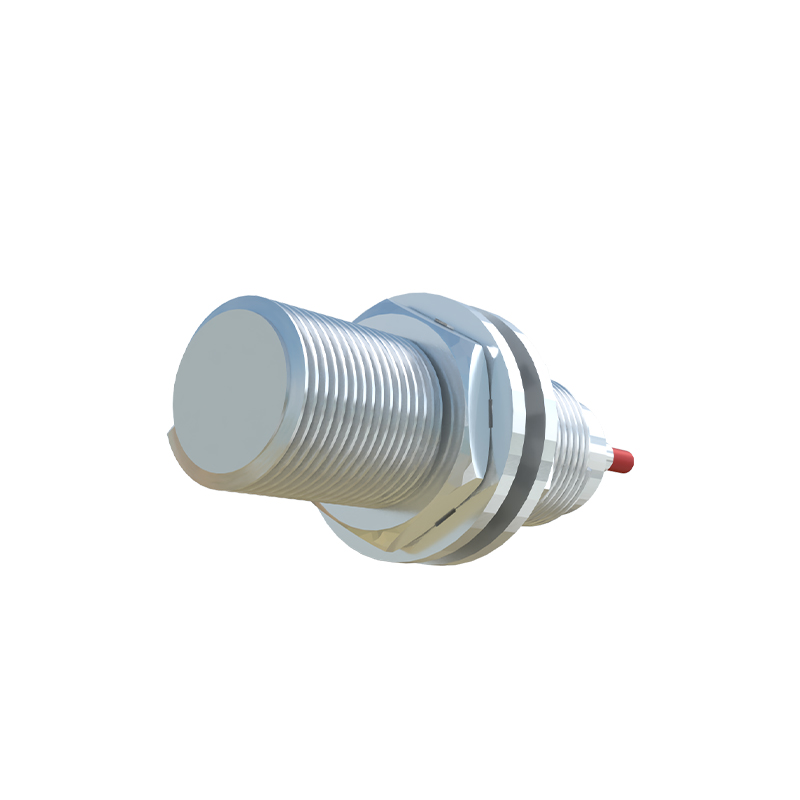
In manufacturing, universal proximity sensors play a critical role in optimizing production processes. They are commonly used for object detection on conveyor belts, ensuring components are correctly positioned for assembly or packaging. For instance, inductive sensors detect metallic parts, while capacitive sensors identify non-metallic materials like plastics or liquids. This capability prevents jams and misalignments, reducing downtime and enhancing throughput. Additionally, these sensors facilitate robotic guidance, enabling automated arms to pick and place items with high accuracy. In quality control, they verify the presence of critical components, such as screws or seals, before products move to the next stage. Their robustness in noisy, vibration-prone environments ensures consistent operation, supporting lean manufacturing goals.
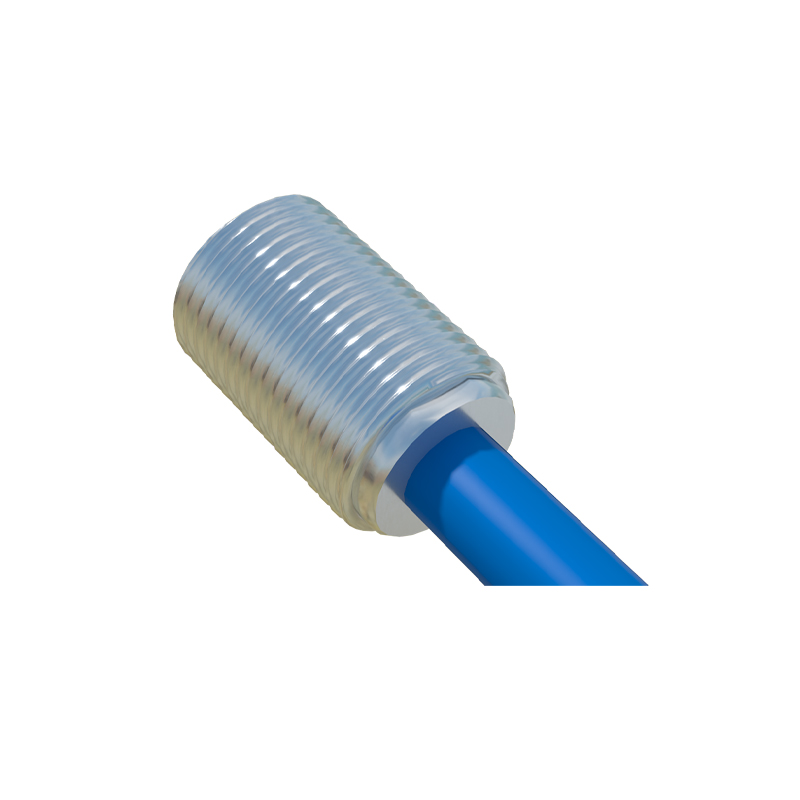
Automotive Industry Applications
The automotive sector relies heavily on universal proximity sensors for both manufacturing and vehicle systems. During production, sensors monitor assembly lines, detecting parts like engine blocks or chassis components to synchronize robotic welders and painters. In vehicles, they enhance safety and convenience; for example, ultrasonic sensors in parking assist systems measure distances to obstacles, alerting drivers to prevent collisions. Inductive sensors in anti-lock braking systems (ABS) monitor wheel speed, enabling precise brake control. Moreover, capacitive sensors in touch-sensitive dashboards or door handles improve user experience. The durability of these sensors ensures performance under harsh conditions, such as temperature fluctuations and exposure to chemicals, making them vital for automotive reliability.
Packaging and Material Handling
Universal proximity sensors streamline packaging and material handling by automating detection and sorting tasks. In warehouses, photoelectric sensors count items on conveyors or detect labels on packages, ensuring accurate inventory management. Capacitive sensors identify filled versus empty containers, such as bottles or boxes, preventing errors in filling lines. For palletizing, sensors verify stack heights and positions, guiding robotic systems to arrange loads efficiently. Their fast response times and high precision reduce waste and speed up logistics operations. In food packaging, sensors made from food-grade materials withstand washdowns and detect transparent films or liquids, maintaining hygiene standards. This adaptability boosts productivity in fast-paced distribution centers.
Building Automation and Security
In building automation, universal proximity sensors contribute to energy efficiency and security. Capacitive sensors in lighting systems detect human presence, turning lights on or off to conserve power. Ultrasonic sensors monitor occupancy in rooms, adjusting HVAC systems for optimal comfort. For security, photoelectric sensors in alarm systems detect intrusions by sensing motion near doors or windows. In elevators, inductive sensors ensure doors close safely by detecting obstructions. These sensors also enable smart home features, like automatic faucets or soap dispensers that use infrared technology. Their low power consumption and reliability support sustainable building management, reducing operational costs while enhancing safety protocols.
Agriculture and Food Processing
The agriculture and food processing industries benefit from universal proximity sensors by improving automation and hygiene. In farming, sensors monitor equipment like tractors, detecting implement positions to optimize planting or harvesting. Capacitive sensors measure grain levels in silos, preventing overflows. In food processing, stainless-steel inductive sensors withstand corrosive environments, detecting metal contaminants in production lines to ensure product safety. Photoelectric sensors sort fruits or vegetables by size or color on conveyor belts. Their resistance to moisture and dust is crucial in washdown areas, complying with strict sanitation regulations. By enabling precise control, these sensors reduce labor costs and enhance food quality.
Future Trends and Innovations
Advancements in universal proximity sensors are driving smarter, more connected applications. Integration with the Industrial Internet of Things (IIoT) allows sensors to transmit real-time data to cloud platforms, enabling predictive maintenance and analytics. Miniaturization trends are leading to smaller sensors with higher sensitivity, suitable for compact devices like wearable tech or medical instruments. Enhanced materials, such as ceramic housings, improve durability in extreme conditions. Additionally, AI-powered sensors can learn from environmental patterns, adapting detection thresholds for better accuracy. As industries embrace automation, the demand for versatile, cost-effective sensors will grow, fostering innovations in sustainability and efficiency across global sectors.
SEO