Introduction to E2E-X5Y1 Proximity Sensor
The E2E-X5Y1 is a cylindrical, shielded, inductive proximity sensor designed for precise non-contact detection of metallic objects. As a key component in industrial automation, it operates on the principle of electromagnetic induction. When a metal target enters its sensing range, it causes a change in the sensor's oscillation amplitude, triggering a solid-state output switch. This model is renowned for its compact M12 housing, robust construction, and reliable performance in demanding environments, making it a staple in assembly lines, packaging machinery, and material handling systems. Its design prioritizes durability, with features typically including resistance to water, oil, and short-circuit protection.
Key Technical Specifications and Performance
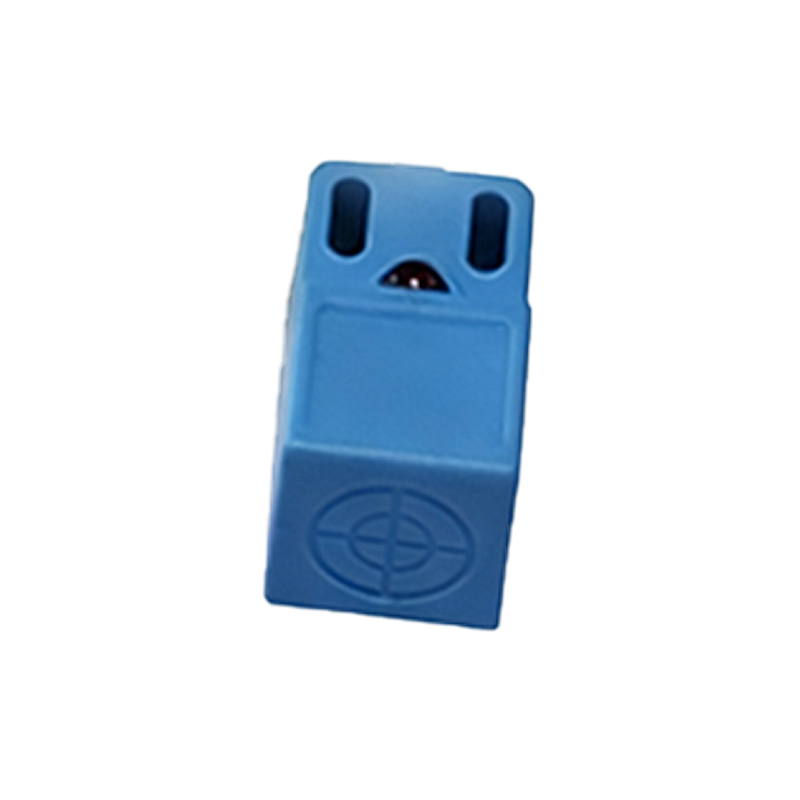
The E2E-X5Y1 offers a standard sensing distance, often 2mm or 4mm depending on the specific variant, with a repeat accuracy within ±10% of the sensing distance. It operates within a wide voltage range, commonly 10-30V DC, ensuring compatibility with various control systems. The output configuration is typically a 3-wire DC type, available in both NPN (sinking) and PNP (sourcing) transistor outputs to interface seamlessly with PLCs (Programmable Logic Controllers) and other control units. Its response frequency is high, allowing for the detection of fast-moving objects, which is critical for high-speed automation processes. The housing is usually constructed from nickel-plated brass or stainless steel, providing excellent resistance to mechanical impact and chemical corrosion.
Installation and Wiring Guidelines
Proper installation is crucial for optimal performance. The sensor should be mounted securely using its threaded M12 body. For shielded (flush-mountable) types like the E2E-X5Y1, it can be embedded in metal without affecting its sensing characteristics, allowing for space-saving and protected installation. Maintaining the recommended clearance from adjacent metal surfaces prevents mutual interference. Wiring must adhere to the color code: brown wire for positive supply (+V), blue wire for negative (0V), and black wire for the load output. Always ensure power is disconnected during installation and verify the electrical load does not exceed the sensor's rated switching capacity to prevent damage.
Environmental Considerations and Durability
Engineered for industrial settings, the E2E-X5Y1 boasts a high degree of environmental resistance. Its standard protection rating is typically IP67, making it dust-tight and capable of withstanding temporary immersion in water. This allows reliable operation in areas exposed to coolants, oils, and washdowns. The sensor is designed to function across a broad temperature range, from -25°C to 70°C, ensuring stability in both cold storage and hot factory conditions. Its internal circuitry is protected against reverse polarity, overload, and short circuits, significantly enhancing its service life and reducing maintenance needs in continuous operation cycles.
Common Applications in Industrial Automation
This sensor's versatility makes it suitable for numerous applications. It is extensively used for position detection, such as verifying the presence of a metal part in a fixture or the end position of a cylinder. In conveyor systems, it counts metallic products or detects jams. It also plays a vital role in rotary encoding, detecting gear teeth or holes in metal disks. Furthermore, its reliability is leveraged in safety interlocks to confirm the closure of metal guards or doors. The E2E-X5Y1's small size and precision make it ideal for integration into robotic grippers, CNC machines, and automated assembly stations where space is limited and detection accuracy is paramount.
Troubleshooting and Maintenance Tips
Despite its robustness, occasional issues may arise. Common problems include failure to detect targets, which can be caused by incorrect mounting, an insufficient target size or material, or the target being outside the specified sensing range. Intermittent operation might result from loose wiring connections or electrical noise interference. Regular maintenance involves visually inspecting the sensor face for accumulated debris or metal chips that could hinder detection and checking the integrity of the cable and connections. Using an oscilloscope or multimeter to monitor the output signal can help diagnose electrical issues. Always refer to the manufacturer's datasheet for specific diagnostic procedures and replacement guidelines.