Introduction to Proximity Switch Sensors
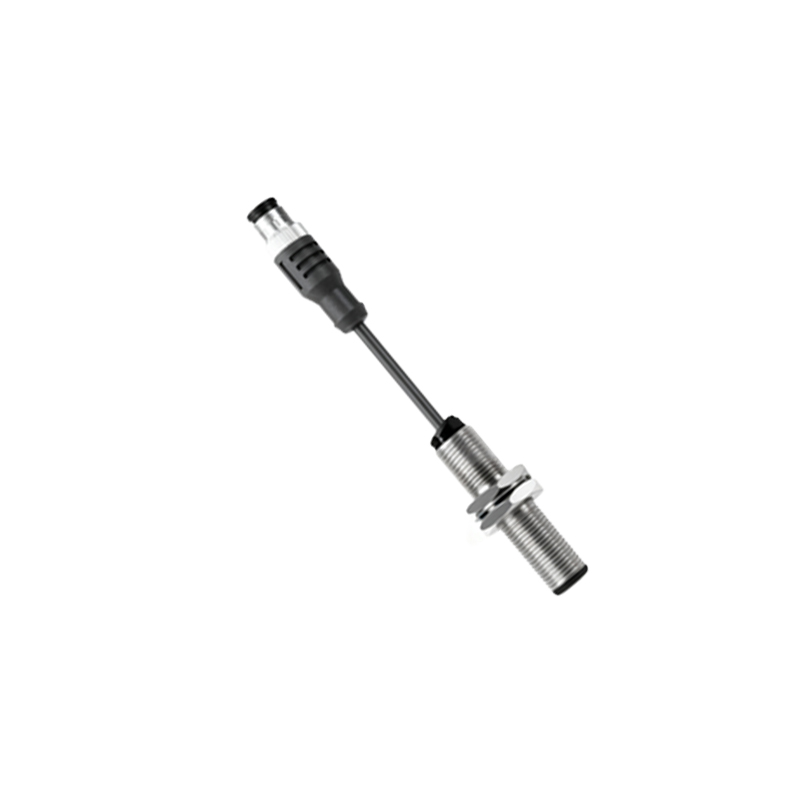
Proximity switch sensors are non-contact devices widely used in industrial automation to detect the presence or absence of objects without physical contact. These sensors operate based on electromagnetic, capacitive, or inductive principles, making them ideal for harsh environments where dust, moisture, or mechanical wear could compromise performance. Inductive proximity sensors, for instance, detect metallic objects by generating an electromagnetic field, while capacitive variants can sense non-metallic materials like plastics or liquids. Their reliability, fast response times, and durability have made them essential in applications ranging from conveyor systems and robotic arms to safety interlocks and machine guarding. By eliminating mechanical contact, proximity switches reduce maintenance needs and enhance operational efficiency, contributing to smoother production processes in manufacturing plants, automotive assembly lines, and packaging industries.
Understanding Safety Barriers in Hazardous Areas
Safety barriers, also known as isolators or intrinsic safety barriers, are critical components designed to prevent explosions in hazardous locations where flammable gases, vapors, or dust may be present. These devices limit the electrical energy—both voltage and current—that can reach the hazardous area, ensuring that any spark or thermal effect remains below the ignition threshold of the surrounding atmosphere. Typically installed between safe and hazardous zones, safety barriers work by incorporating zener diodes, resistors, and fuses to clamp excess energy and provide galvanic isolation. They are commonly paired with sensors like proximity switches to create intrinsically safe circuits, complying with international standards such as IEC 60079 for explosive atmospheres. In industries like oil and gas, chemical processing, or mining, safety barriers protect personnel and equipment by mitigating risks associated with electrical faults or surges.
Integration of Proximity Switches with Safety Barriers
Integrating proximity switch sensors with safety barriers is a key practice in achieving both functional detection and intrinsic safety in hazardous environments. When a proximity sensor is deployed in an explosive area, it must be connected through a safety barrier to the control system in the safe zone. This setup ensures that the sensor's output signals are transmitted without introducing dangerous energy levels. For example, an inductive proximity switch detecting metal parts in a petrochemical plant can be wired to a galvanically isolated safety barrier, which filters and limits the electrical parameters before relaying data to a PLC (Programmable Logic Controller). Proper integration involves selecting compatible devices rated for the same safety categories (e.g., ATEX or IECEx) and ensuring correct installation per manufacturer guidelines. This synergy enhances system reliability, prevents false triggers, and maintains compliance with safety regulations, ultimately safeguarding operations in sensitive industrial settings.
Key Benefits and Applications in Industry
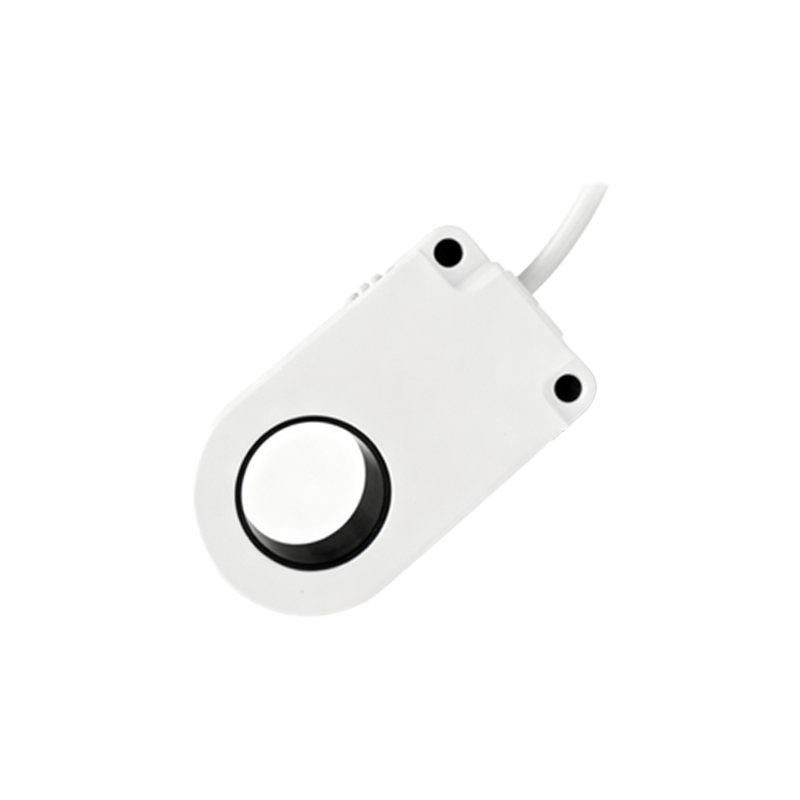
The combination of proximity switches and safety barriers offers numerous benefits, including improved safety, reduced downtime, and regulatory adherence. Proximity sensors provide accurate, real-time object detection, enabling automated processes like positioning, counting, or speed monitoring, while safety barriers ensure these operations do not ignite hazardous substances. In automotive manufacturing, proximity switches on assembly lines detect components for robotic welding, with safety barriers protecting against sparks in paint booths. Similarly, in grain silos or pharmaceutical facilities, capacitive proximity sensors monitor material levels, and safety barriers prevent electrostatic discharges in dusty atmospheres. These systems also support predictive maintenance by offering diagnostic feedback, minimizing unexpected failures. Overall, their deployment across sectors underscores a commitment to operational excellence and worker protection, aligning with global trends toward smarter, safer industrial automation.
Selection and Installation Best Practices
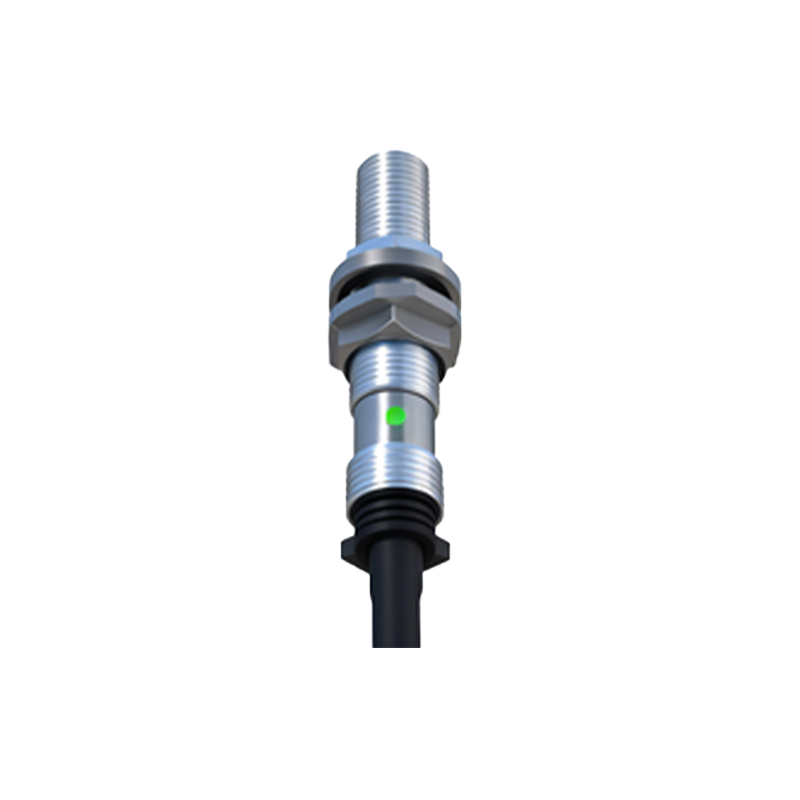
Choosing the right proximity switch and safety barrier requires careful consideration of environmental conditions, performance requirements, and safety standards. For proximity sensors, factors like sensing range, material compatibility, output type (e.g., PNP/NPN), and housing rating (e.g., IP67 for dust and water resistance) are crucial. Safety barriers must match the sensor's electrical characteristics and be certified for the specific hazardous zone (Zone 0, 1, or 2 per IEC 60079). Installation should follow strict protocols: use shielded cables to reduce electromagnetic interference, ground connections properly to avoid stray currents, and regularly test circuits for integrity. Training personnel on maintenance and troubleshooting is also vital to ensure long-term functionality. By adhering to these best practices, engineers can optimize system performance, extend equipment lifespan, and uphold safety in demanding industrial applications, fostering a culture of risk prevention and efficiency.
Future Trends and Technological Advancements
The future of proximity switch sensors and safety barriers is shaped by advancements in IoT (Internet of Things), digitalization, and miniaturization. Smart sensors with embedded diagnostics and communication protocols (e.g., IO-Link) are becoming more prevalent, allowing for remote monitoring and data analytics to predict failures or optimize processes. Safety barriers are evolving with enhanced isolation techniques