Introduction to Proximity Sensors
Proximity sensors are non-contact electronic devices designed to detect the presence or absence of an object within a specific range without physical contact. They operate by emitting an electromagnetic field or a beam of electromagnetic radiation and monitoring changes in the field or return signal. This technology is fundamental in industrial automation, robotics, and safety systems, enabling precise control and monitoring. The absence of mechanical contact ensures minimal wear and tear, leading to enhanced durability and reliability in harsh environments. These sensors are crucial for applications requiring high-speed detection, positioning, and object counting, where traditional mechanical switches would fail. Their ability to function in dirty, oily, or wet conditions makes them indispensable in modern manufacturing and automotive industries.
Primary Types of Proximity Sensors
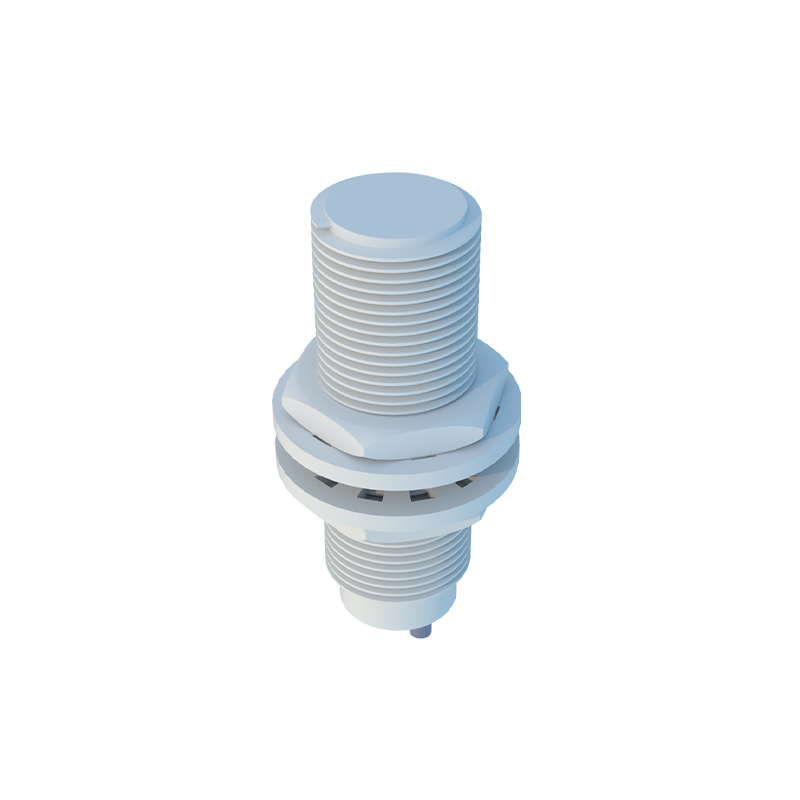
Several types of proximity sensors are available, each based on different sensing principles. Inductive proximity sensors detect metallic objects by generating an electromagnetic field. When a metal target enters this field, it induces eddy currents, causing a change in the sensor's oscillation amplitude, which triggers detection. Capacitive proximity sensors can detect both metallic and non-metallic materials, such as liquids, plastics, or wood, by measuring changes in capacitance when an object alters the electrostatic field. Ultrasonic sensors use sound waves to detect objects, measuring the time taken for an echo to return after emitting a high-frequency pulse. Photoelectric sensors employ light beams, typically infrared, to sense objects by detecting interruptions or reflections in the beam. Magnetic proximity sensors, or reed switches, activate in the presence of a magnetic field, commonly used for detecting magnets or ferrous materials. Each type offers distinct advantages in terms of range, material compatibility, and environmental resilience.
Key Operating Principles and Technologies

The core technology behind proximity sensors involves generating and interpreting signals to determine object presence. Inductive sensors rely on a coil and oscillator to create a high-frequency electromagnetic field. The detection occurs when a conductive material disrupts this field, damping the oscillations and triggering a switch. Capacitive sensors function similarly but use two conductive plates to form an electrostatic field; the introduction of any material with a dielectric constant different from air changes the capacitance, leading to detection. Ultrasonic sensors calculate distance based on the time-of-flight principle, where the duration between emitting a sound pulse and receiving its reflection is proportional to the object's distance. Photoelectric sensors may operate in through-beam, retro-reflective, or diffuse modes, each varying in how light is transmitted and received. Advanced models incorporate digital signal processing to filter noise and improve accuracy, ensuring stable performance even in challenging conditions like vibration or temperature fluctuations.
Industrial Applications and Use Cases
Proximity sensors are extensively used across various industries due to their versatility and reliability. In automotive manufacturing, they monitor assembly line components, detect part positions, and ensure robotic arms operate correctly. Packaging machinery utilizes these sensors for counting products, controlling fill levels, and verifying label placement. In material handling systems, they prevent collisions by detecting objects on conveyor belts or guiding automated vehicles. Safety applications include presence sensing on machinery guards to halt operations when a person is too close, preventing accidents. Additionally, they are integral in consumer electronics for touchless interfaces, such as automatic faucets or smartphone screen activation. The food and beverage industry employs capacitive sensors to detect liquid levels in tanks, while ultrasonic sensors measure bulk material volumes in silos. Their adaptability to diverse environments underscores their critical role in enhancing efficiency and safety.
Selection Criteria for Optimal Performance
Choosing the right proximity sensor requires careful consideration of several factors to ensure optimal performance. First, identify the target material—inductive sensors are ideal for metals, while capacitive or ultrasonic types suit non-metallics. The sensing range must match the application; longer ranges may reduce accuracy, so select based on the required detection distance. Environmental conditions like temperature, humidity, and exposure to chemicals or dust influence sensor choice; ruggedized models with high IP ratings are necessary for harsh settings. Output type is another key aspect: digital outputs (e.g., NPN or PNP) are common for PLC integration, while analog outputs provide continuous distance measurements. Response time should align with operational speed, especially in high-speed automation. Finally, consider mounting options and electrical requirements, such as voltage supply and current consumption, to ensure compatibility with existing systems. Consulting manufacturer datasheets and testing in real conditions can prevent costly errors.
Maintenance and Troubleshooting Tips
Proper maintenance extends the lifespan and reliability of proximity sensors. Regular cleaning of sensing surfaces prevents false triggers caused by dirt, oil, or debris accumulation. For inductive sensors, ensure metallic shavings do not interfere with the electromagnetic field. Calibration checks are vital for ultrasonic and photoelectric sensors