Understanding Intrinsically Safe Design Principles
Intrinsically safe (IS) proximity sensors represent a critical category of industrial automation components engineered specifically for operation in hazardous locations. These environments, often classified by standards such as NEC, ATEX, or IECEx, contain flammable gases, vapors, combustible dusts, or ignitable fibers. The core principle of intrinsic safety is to limit the electrical and thermal energy within the sensor and its connected circuit to levels insufficient to ignite a specific hazardous atmospheric mixture. This is achieved through meticulous design that governs parameters like voltage, current, capacitance, and inductance. Unlike explosion-proof methods that contain an explosion, IS prevention techniques eliminate the ignition source altogether, making these sensors a preferred choice for Zone 0, 1, 20, and 21 areas where explosive atmospheres are present continuously or for long periods.
Key Technologies and Sensor Types
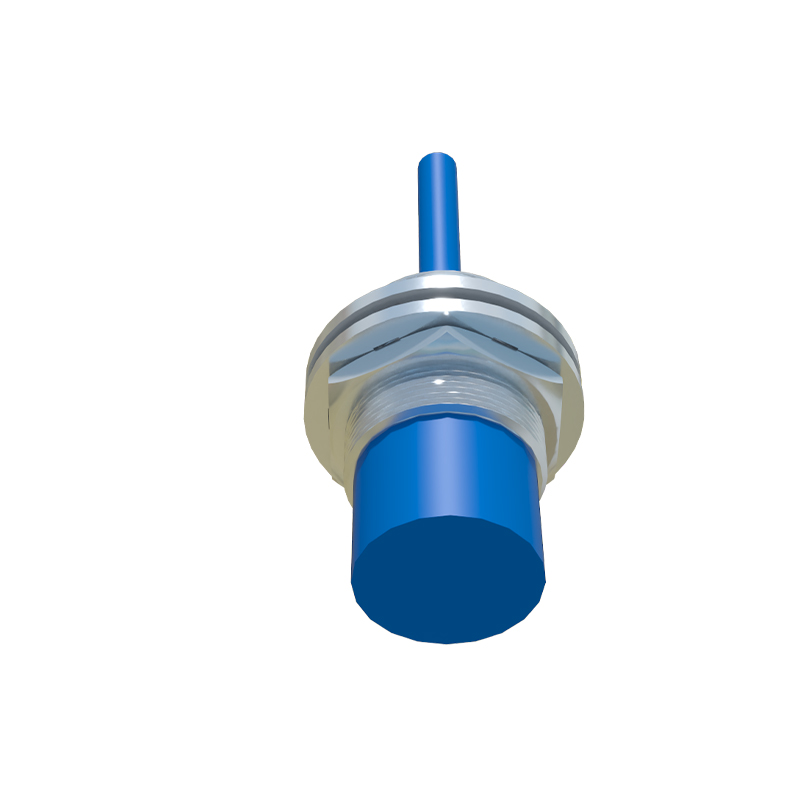
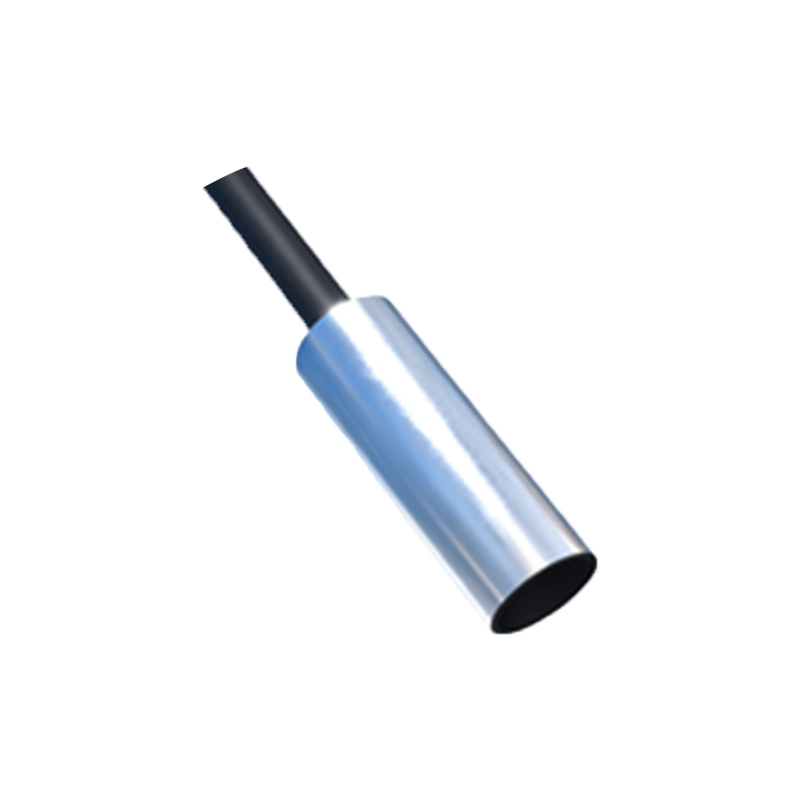
Modern intrinsically safe proximity sensors leverage various non-contact sensing technologies, each suited to different applications. Inductive sensors are predominant for detecting metallic objects, utilizing an electromagnetic field. Capacitive sensors can detect both metallic and non-metallic materials, such as liquids or plastics, by measuring changes in capacitance. Ultrasonic sensors use sound waves to measure distance or detect presence, ideal for challenging environments with dust or moisture. Photoelectric sensors, employing light beams, offer long-range detection. For each type, the internal electronics are designed with energy-limiting barriers, often involving zener diodes, resistors, and fuses. These safety barriers, which can be integral or located in a separate safe-area enclosure, ensure that any fault condition will not transmit dangerous energy levels into the hazardous area.
Certification Standards and Global Compliance
Deploying IS proximity sensors requires strict adherence to international certification standards. In Europe and many other regions, the ATEX directive (2014/34/EU) is mandatory, with equipment marked accordingly (e.g., Ex ia IIC T4 Ga). In North America, the National Electrical Code (NEC) and standards from UL or FM outline requirements for Class I (gases), Class II (dusts), and Class III (fibers) divisions. The international IECEx system provides a framework for global certification acceptance. These certifications are not merely labels; they involve rigorous testing of the sensor's electrical parameters under fault conditions to verify that its maximum surface temperature, spark energy, and component ratings will not cause ignition. Engineers must meticulously match the sensor's gas group (IIC being the most stringent) and temperature class (T1 to T6) with the specific hazardous material present.
Critical Application Areas and Industry Use Cases
The application scope for intrinsically safe proximity sensors is vast and spans numerous high-risk industries. In oil and gas, they monitor valve positions, detect tank levels, and ensure safety on offshore platforms and in refineries. Chemical and pharmaceutical plants utilize them for process control in areas with solvent vapors or powdered ingredients. Grain silos and flour mills employ IS sensors to prevent dust explosions during material handling. Mining operations rely on them for equipment positioning and collision avoidance in methane-rich atmospheres. Even in paint spray booths or wastewater treatment facilities, these sensors provide reliable object detection without risk. Their role is often integral to larger Safety Instrumented Systems (SIS) designed to achieve or maintain a safe state in industrial processes.
Installation, Maintenance, and System Integration Considerations
Proper installation is paramount to maintaining the intrinsic safety integrity. This includes using certified IS barriers or isolators in the control cabinet located in the safe area. Cables running between the sensor and barrier must be properly installed, often with requirements for separation from non-IS wiring to prevent energy coupling. Grounding practices must be meticulously followed as specified in the control drawings. Maintenance procedures require that only trained personnel work on these systems, and any replacement parts or sensors must carry the exact same certification ratings. During integration with Programmable Logic Controllers (PLCs) or Distributed Control Systems (DCS), engineers must ensure the entire loop—sensor, cable, barrier, and input card—is approved as a cohesive entity. Regular inspection for physical damage, corrosion, or improper modifications is essential for long-term, reliable safety performance.
Future Trends and Technological Advancements
The future of intrinsically safe proximity sensors is being shaped by Industry 4.0 and the demand for smarter, connected devices. Developments include sensors with integrated diagnostics that can communicate health status via IO-Link Safe protocols, enhancing predictive maintenance. There is a trend toward miniaturization without compromising safety ratings, allowing for installation in tighter spaces. Furthermore, advancements in low-power circuit design and new semiconductor materials are pushing the boundaries of performance