Introduction to Photoelectric Proximity Sensors
Photoelectric proximity sensors are indispensable components in modern industrial automation, playing a critical role in object detection, positioning, and counting without physical contact. These sensors operate by emitting a beam of light, typically infrared, visible red, or laser, and detecting changes in the received light signal caused by the presence or absence of a target object. The market offers a diverse range of models, including through-beam, retro-reflective, and diffuse reflective types, each suited for specific applications and environmental conditions. The core technology relies on the modulation of light and sophisticated receiver circuits to distinguish the signal from ambient light, ensuring high reliability. Their versatility allows deployment in challenging environments where other sensor types might fail, making them a preferred choice for industries ranging from packaging and material handling to automotive assembly and pharmaceutical production.
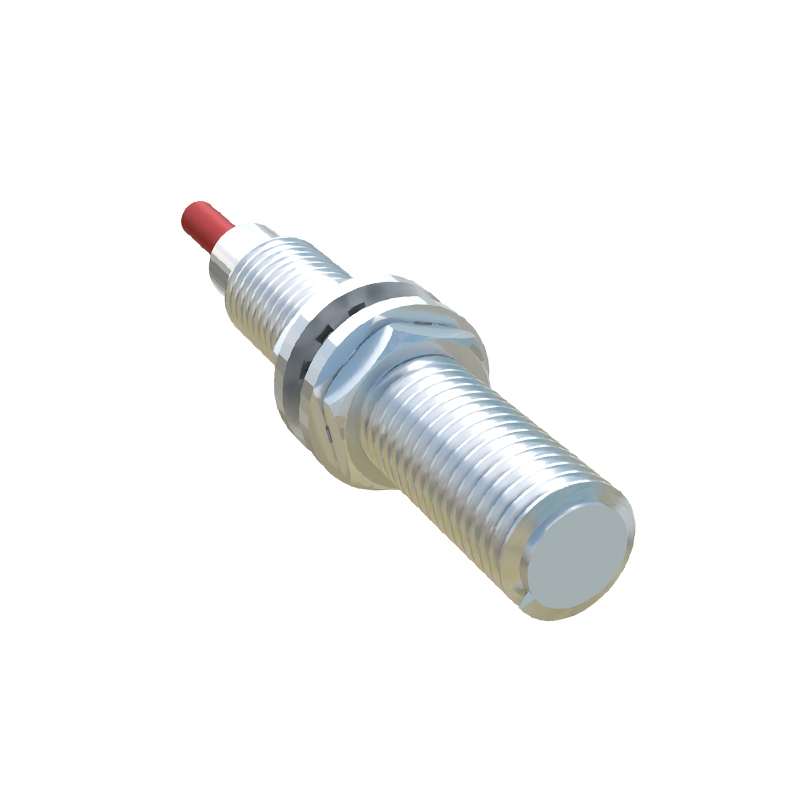
Factors Influencing Sensor Pricing
The price of a photoelectric proximity sensor is not a fixed figure but a variable influenced by a complex interplay of technical specifications and market forces. Key technical factors include sensing range, with longer-range laser sensors commanding a premium over standard infrared models. The type of light source and housing material also significantly impact cost; for instance, sensors with rugged, IP67-rated stainless steel housings for harsh environments are more expensive than basic plastic-bodied units. Output configuration (PNP/NPN, analog, IO-Link) and response time are other critical cost drivers. Beyond specifications, brand reputation plays a substantial role. Established manufacturers like Omron, Sick, or Banner Engineering often price their sensors higher due to proven reliability, extensive global support networks, and advanced features. Conversely, generic or white-label sensors offer lower upfront costs but may involve trade-offs in longevity or precision.
Detailed Price Breakdown by Sensor Type
A comprehensive price list reveals clear stratification based on sensor technology and capability. Standard diffuse reflective sensors with a range of up to 1 meter are the most economical, with prices typically ranging from $25 to $80 per unit. Retro-reflective models, which use a reflector, offer longer ranges (up to 10m) and prices between $40 and $120. Through-beam sensors, comprising separate emitter and receiver units, provide the longest range and highest reliability, with costs from $60 for a basic pair to over $250 for high-performance versions. Laser-based photoelectric sensors represent the premium segment, with precise spot sizes and ranges exceeding 50m, carrying price tags from $150 to $500 or more. It is crucial to note that these are list prices for individual units; significant volume discounts of 15-30% are standard for OEM or large-scale procurement orders, altering the effective cost per sensor considerably.
Cost Analysis: Brand vs. Generic Alternatives
The decision between a branded sensor and a generic alternative is a fundamental cost-benefit analysis. Branded sensors from industry leaders are priced 30% to 100% higher than their generic counterparts. This premium buys not just the product but also guaranteed performance specifications, rigorous quality control, comprehensive technical documentation, and accessible customer support. For critical applications where downtime is costly, this investment is easily justified. Generic sensors, often sourced from various Asian manufacturers, provide a compelling low-cost entry point, with prices sometimes 50-70% lower. However, buyers must account for potential variances in performance, shorter mean time between failures (MTBF), and limited supplier support. The total cost of ownership (TCO), including maintenance, replacement, and production line stoppages, often favors reliable branded products in medium to high-intensity operations.
Impact of Features and Connectivity on Price
Modern photoelectric sensors are evolving into smart devices, with advanced features directly influencing their market price. Sensors equipped with IO-Link communication capability, which enables parameter setting, diagnostics, and process data exchange, add a 20-40% premium to the base price. Models with advanced diagnostics like built-in condition monitoring or teach-in functionality for easy setup also cost more. The housing design and ingress protection rating are major cost factors; a sensor with an IP69K rating for high-pressure washdown environments will be priced higher than an IP67 model. Furthermore, specialized light sources, such as precise blue laser LEDs for detecting small objects or polarized lenses to ignore shiny surfaces, contribute to a higher unit cost. These features, while increasing initial expenditure, often lead to substantial savings in installation time, system integration, and long-term operational stability.
Market Trends and Future Price Projections
The global market for photoelectric sensors is experiencing dynamic shifts that influence pricing trends. A persistent trend is miniaturization and integration, leading to more compact sensors with equal or greater capability, potentially stabilizing or reducing unit costs for standard functions. However, the increasing integration of Industry 4.