Understanding the Need for Supplier Replacement
The decision to replace a proximity sensor supplier is rarely taken lightly in the electrical and industrial automation sectors. It is a strategic move often driven by a confluence of factors that impact the bottom line, production efficiency, and long-term system reliability. Common catalysts include persistent quality inconsistencies, where sensor performance deviates from specifications, leading to unexpected machine downtime. Escalating costs without corresponding value addition, or unfavorable payment terms, can also strain project budgets. Furthermore, logistical challenges such as unreliable delivery schedules, poor inventory management, or inadequate technical support directly hinder production continuity. Technological stagnation is another key reason; a supplier failing to innovate may leave your systems outdated, unable to leverage newer, more efficient sensing technologies like IO-Link or advanced noise immunity features. Finally, broader supply chain diversification strategies, aimed at mitigating risk, often necessitate evaluating and onboarding alternative sources.
Conducting a Comprehensive Technical Audit
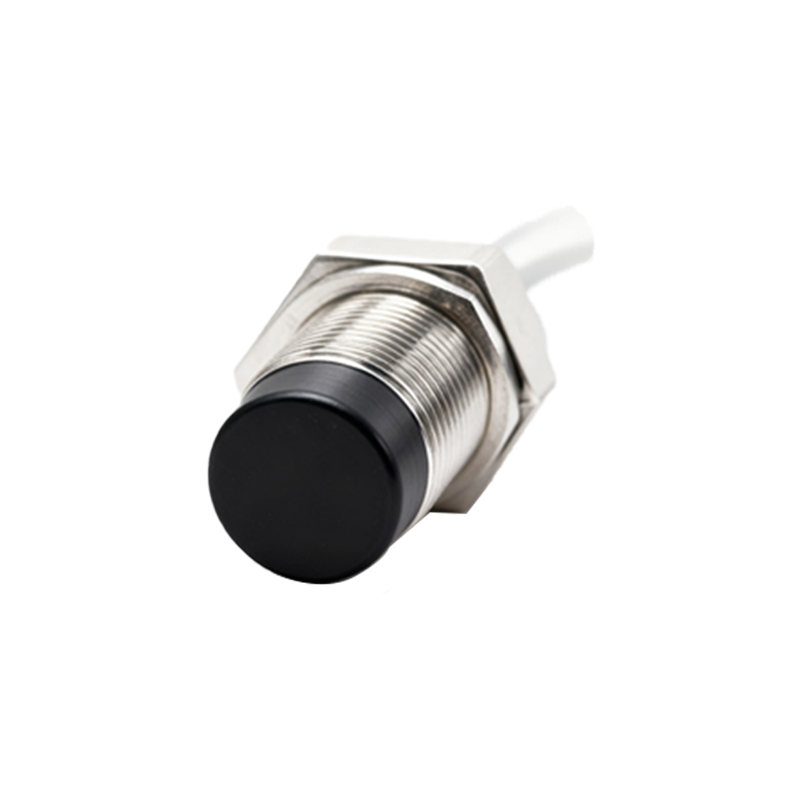
Before initiating the replacement process, a thorough technical audit of the incumbent sensors is paramount. This goes beyond simply noting the part number. Engineers must document detailed specifications: sensing distance, output type (PNP/NPN, NO/NC), housing material (e.g., stainless steel, brass, PBT), electrical characteristics (voltage range, current consumption), and environmental ratings (IP67, IP69K). Performance under actual operating conditions—temperature extremes, vibration, exposure to coolants or welding spatter—must be assessed. Crucially, document the electrical and mechanical interface: connector type, cable length and style, thread size, and mounting dimensions. This audit creates a definitive benchmark. The goal is not merely to find a "drop-in" replacement, but to identify opportunities for improvement—perhaps a sensor with a wider operating voltage, a longer sensing range for easier alignment, or enhanced resistance to electromagnetic interference.
Evaluating and Qualifying Potential New Suppliers
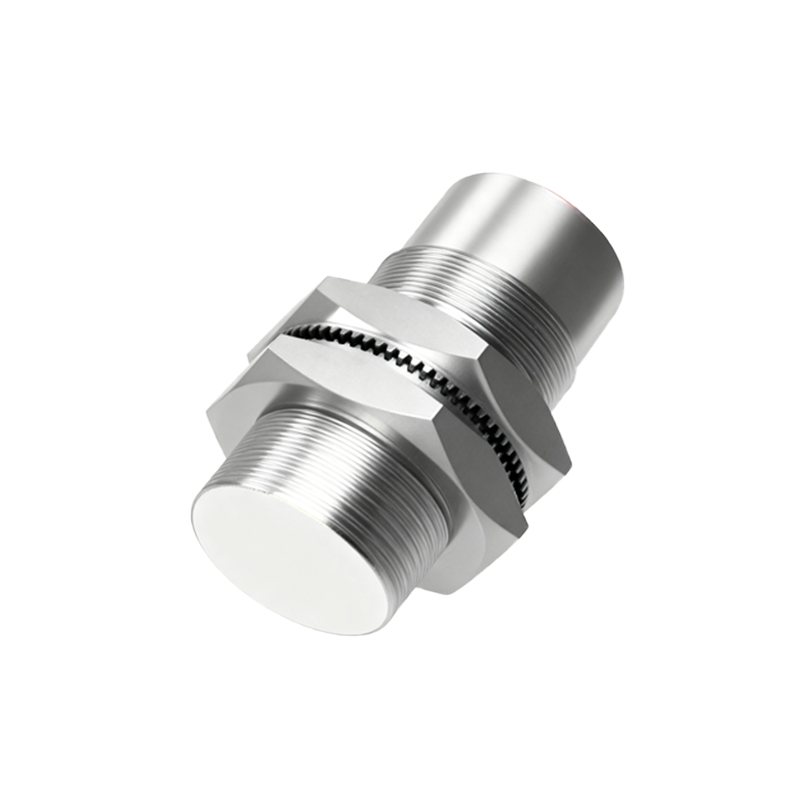
Supplier evaluation extends far beyond a cursory glance at a catalog. A rigorous qualification process should examine several core areas. First, assess technical capability: does the supplier possess in-depth application engineering support? Can they provide detailed datasheets, 3D models, and comprehensive application notes? Second, scrutinize quality assurance protocols. Inquire about their testing procedures, compliance with international standards (IEC, UL, CE), and traceability of materials. Request samples for rigorous in-house testing that replicates, or even exceeds, your operational environment. Third, evaluate manufacturing and supply chain resilience. Understand their lead times, inventory policies, and contingency plans for raw material shortages. Fourth, consider the total cost of ownership, which includes unit price, shipping costs, minimum order quantities, and the potential cost savings from reduced downtime or easier installation. A supplier with a slightly higher unit cost but superior reliability and support often provides greater long-term value.
Managing the Transition and Integration Phase
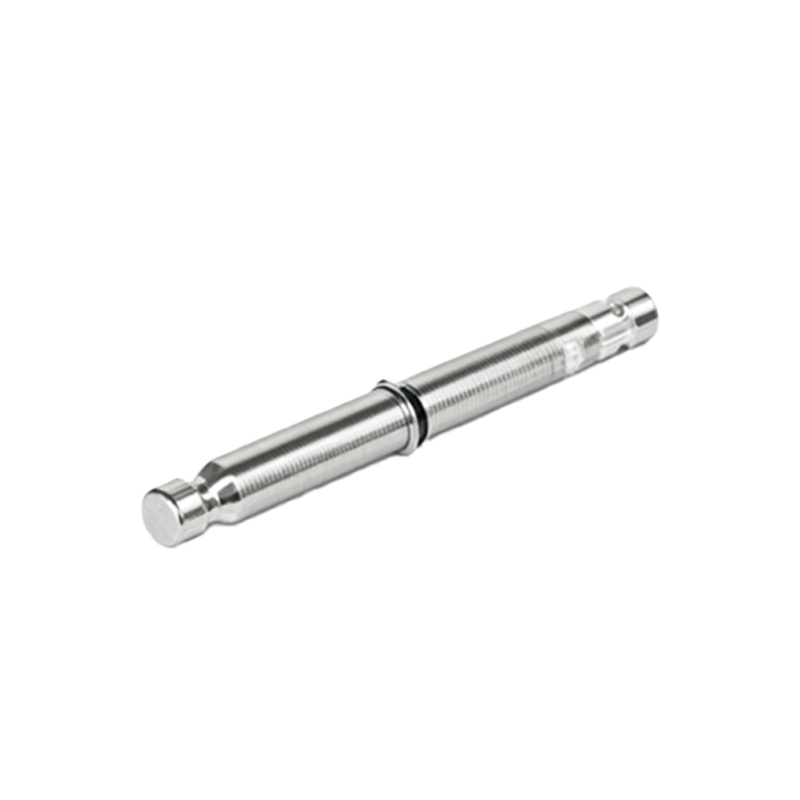
A successful supplier transition requires meticulous project management. Begin with a pilot program, installing and monitoring the new sensors on a non-critical line or machine. This phase validates long-term performance and identifies any unforeseen integration issues, such as subtle differences in output signal timing or mounting bracket compatibility. Develop a phased rollout plan to systematically replace sensors during planned maintenance windows, minimizing disruption. Update all relevant documentation simultaneously: bills of materials (BOMs), electrical schematics, maintenance manuals, and PLC programs if the sensor characteristics differ. Crucially, ensure that maintenance and operations teams are trained on the new product's features, installation nuances, and troubleshooting procedures. Clear communication with the new supplier regarding delivery schedules and a dedicated point of contact for technical issues is essential during this phase.
Ensuring Long-Term System Performance and Support
The replacement process concludes not with installation, but with the establishment of a sustainable partnership. Implement a system to track the performance metrics of the new sensors, comparing failure rates, mean time between failures (MTBF), and overall impact on equipment effectiveness (OEE) against historical data with the old supplier. Maintain open lines of communication with the new supplier for application feedback and to stay informed about product updates or discontinuations. A proactive supplier will offer value through regular technical reviews, training updates for new staff, and early notification of industry trends. This ongoing relationship transforms the supplier from a simple parts vendor into a strategic partner contributing to the continuous improvement and technological advancement of your electrical control systems.