Introduction to Non-Metallic Sensing Technology
The industrial automation landscape is undergoing a profound transformation, driven by the need for more versatile, reliable, and intelligent sensing solutions. At the forefront of this evolution is the non-metallic proximity sensor factory, a specialized hub of engineering dedicated to producing sensors that detect objects without physical contact, irrespective of their material composition. Unlike traditional inductive sensors limited to metals, these advanced devices utilize capacitive, ultrasonic, or optical principles to sense a vast array of materials including plastics, glass, wood, liquids, and even granular substances. The core mission of such a factory is not merely assembly, but the integration of sophisticated electronics, precision mechanics, and robust software to create products that enhance efficiency, safety, and flexibility in diverse applications from food packaging and pharmaceutical production to automotive assembly and logistics.
Core Manufacturing Processes and Precision Engineering
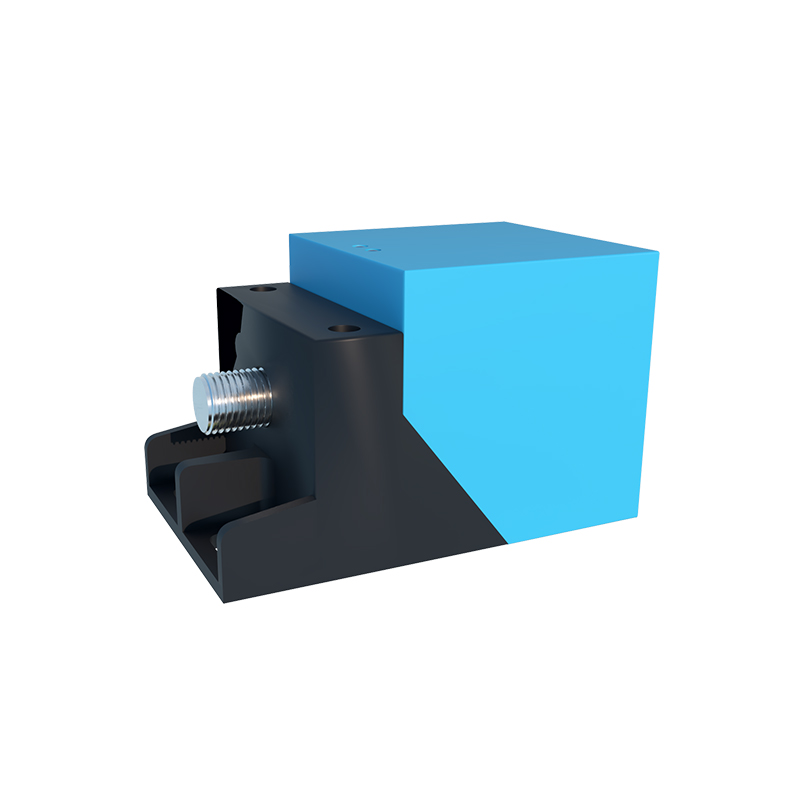
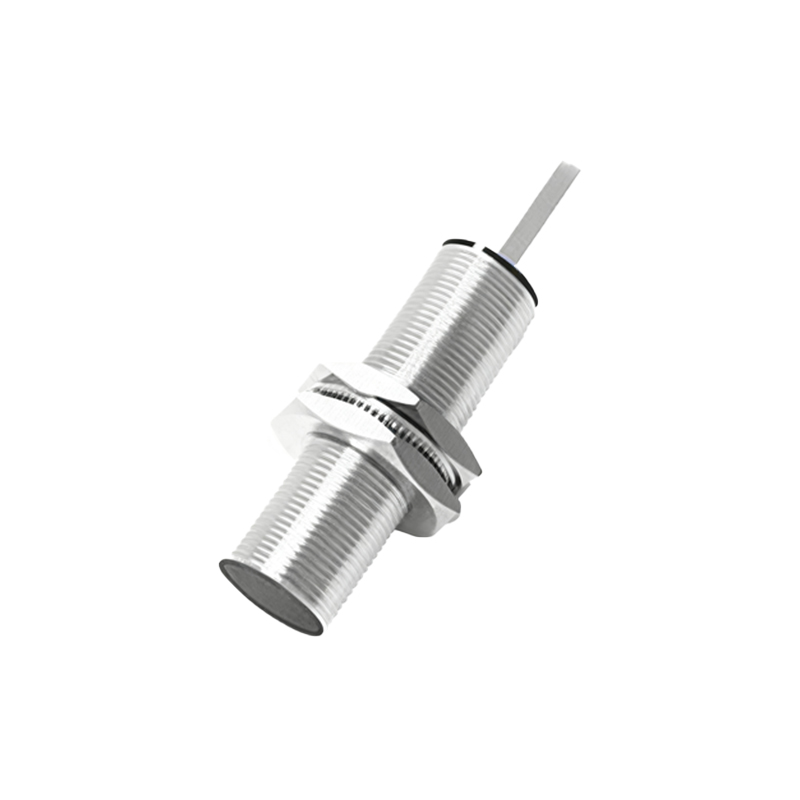
Within the walls of a modern non-metallic proximity sensor factory, precision is paramount. The manufacturing process begins with the design and fabrication of sensitive transducer elements. For capacitive sensors, this involves creating precisely calibrated electrode systems. For ultrasonic sensors, it entails the production of piezoelectric crystals that generate and receive high-frequency sound waves. Optical sensors require the meticulous alignment of LEDs, lasers, and phototransistors. These core components are then mounted onto printed circuit boards (PCBs) populated with microcontrollers, signal amplifiers, and noise-filtering circuits using automated surface-mount technology (SMT) lines. Each sensor housing is engineered from high-grade industrial plastics or stainless steel, designed to withstand harsh environments involving moisture, dust, chemicals, and extreme temperatures. The assembly lines are characterized by automated calibration stations where each sensor is tested against certified reference materials to ensure consistent switching points and output signals.
Quality Assurance and Testing Protocols
Quality control is the backbone of a reputable non-metallic proximity sensor factory. Given the critical role these sensors play in automated systems, a single failure can lead to significant production downtime. Therefore, a multi-layered testing protocol is rigorously enforced. Incoming components undergo inspection for dimensional accuracy and material specifications. During production, in-circuit testing (ICT) verifies the electrical integrity of every PCB. Post-assembly, each sensor enters an environmental stress screening (ESS) phase, where it is subjected to thermal cycling, vibration, and humidity tests to precipitate early-life failures. Finally, functional testing simulates real-world conditions. Sensors are challenged to detect various target materials at specified distances, with their response time, repeatability, and hysteresis meticulously recorded. This data-centric approach ensures that every unit shipped meets stringent international standards such as IEC 60947-5-2, guaranteeing performance and reliability.
Innovation and R&D Driving Market Adaptation
The research and development (R&D) department is the lifeblood of a forward-thinking factory. Engineers here are tasked with pushing the boundaries of what non-metallic proximity sensing can achieve. Current R&D focuses include enhancing immunity to electromagnetic interference (EMI), developing sensors with exceptionally long ranges for bulk material detection, and integrating advanced features like IO-Link communication. IO-Link transforms a simple sensor into an intelligent device capable of transmitting detailed process data, enabling predictive maintenance and seamless integration into Industry 4.0 frameworks. Furthermore, R&D efforts are dedicated to miniaturization, creating sensors for increasingly compact machinery, and developing specialized variants for hygienic (e.g., FDA-compliant) or explosive atmospheres (ATEX/IECEx certified). This constant innovation allows the factory to adapt to emerging market demands across sectors like renewable energy, electric vehicle manufacturing, and smart warehousing.
Application-Specific Solutions and Customer Collaboration
A key differentiator for a leading factory is its ability to provide application-specific solutions rather than just standard catalog products. Application engineers work closely with customers to understand unique challenges—such as detecting transparent films on high-speed packaging lines, monitoring fill levels of adhesive liquids in opaque containers, or precisely positioning composite materials in aerospace manufacturing. This collaborative process often leads to the development of customized sensor housings, lens configurations for optical sensors, or tailored firmware. By engaging in this deep level of technical partnership, the factory ensures its sensors deliver optimal performance in the customer's specific environment, solving complex problems and adding tangible value to their automation processes. This approach fosters long-term relationships and positions the factory as a strategic partner in technological advancement.
Sustainability and the Future Industrial Ecosystem
Modern manufacturing carries a responsibility towards sustainability, and a non-metallic proximity sensor factory is no exception. Initiatives are implemented to reduce the environmental footprint, including optimizing energy consumption on production lines, minimizing waste through lean manufacturing principles, and employing recyclable materials in packaging. Moreover, the sensors themselves contribute to broader industrial sustainability. By enabling precise control and