Introduction to 5D4 Proximity Sensors
In the realm of industrial automation, precision and reliability are paramount. The 5D4 series of proximity sensors represents a significant advancement in non-contact detection technology. These sensors are engineered to deliver exceptional performance in demanding environments, offering high accuracy and durability. Utilizing cutting-edge sensing principles, 5D4 sensors can detect the presence or absence of metallic objects without physical contact, thereby eliminating mechanical wear and tear. Their robust construction ensures consistent operation even in the presence of dust, moisture, and electromagnetic interference, making them indispensable components in modern manufacturing and assembly lines.
Core Operating Principles and Technology
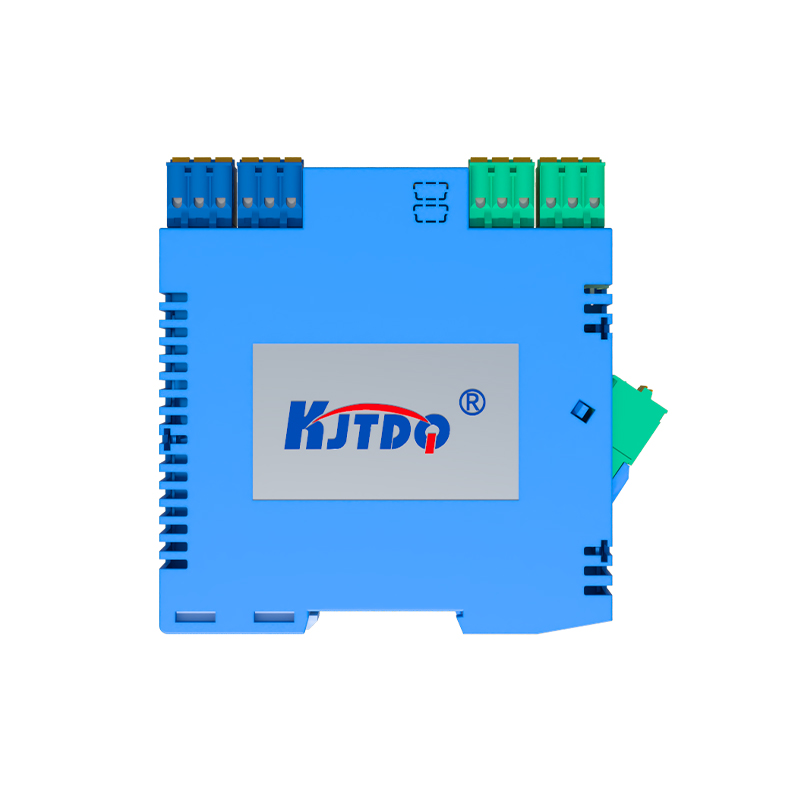
The operational foundation of the 5D4 proximity sensor is based on electromagnetic field generation and detection. At its core, the sensor contains an oscillator circuit that generates a high-frequency electromagnetic field from its sensing face. When a metallic target enters this field, eddy currents are induced on the target's surface. These currents absorb energy from the oscillator, causing a change in its amplitude. The sensor's detection circuit monitors this amplitude change. Once the shift exceeds a predefined threshold, the sensor's output state switches, signaling the presence of the target. This technology allows for highly reliable detection of ferrous and non-ferrous metals with minimal hysteresis and fast response times, crucial for high-speed automation processes.
Key Features and Technical Specifications
5D4 proximity sensors are distinguished by a suite of advanced features. They typically offer a sensing range optimized for their compact housing size, often up to several times their diameter. A key specification is their high switching frequency, enabling them to detect objects on rapidly moving production lines. They are available in various output configurations, including NPN, PNP, and analog outputs, providing flexibility for integration into different control systems like PLCs. Many models feature built-in protection against short-circuit, reverse polarity, and overload conditions. Their housing is usually constructed from nickel-plated brass or stainless steel, with sensing faces made of rugged PBT or similar polymers, ensuring IP67 or higher ingress protection ratings for reliable operation in harsh industrial settings.
Application Scenarios in Modern Industry
The versatility of 5D4 sensors makes them suitable for a wide array of industrial applications. In automotive manufacturing, they are used for precise part positioning, robotic arm end-effector confirmation, and weld nut detection. On packaging lines, they count products, verify cap placement, and detect metallic labels. Within material handling systems, these sensors monitor conveyor belt operations, detect pallet positions, and ensure proper stacking. They are also critical in machine tools for tool breakage detection, workpiece positioning, and monitoring spindle orientation. Their non-contact nature makes them ideal for applications involving delicate materials or where contamination from contact must be avoided.
Installation, Calibration, and Maintenance Best Practices
Correct installation is vital for optimal sensor performance. It is essential to maintain the recommended mounting distance and ensure the target approaches the sensor head perpendicularly. Adequate clearance from other metal objects in the environment must be provided to prevent false triggering. While most 5D4 sensors are pre-calibrated, fine-tuning the sensing distance might be necessary for specific applications using potentiometers available on some models. Maintenance requirements are minimal due to the non-contact design. Routine practices involve periodic cleaning of the sensing face to remove dust or oil buildup and verifying the electrical connections for corrosion or looseness. Regular functional checks against a known target ensure long-term reliability.
Advantages Over Traditional Sensing Methods
Compared to traditional mechanical limit switches or photoelectric sensors, 5D4 proximity sensors offer distinct advantages. Their non-contact operation results in an exceptionally long service life, as there are no moving parts to wear out. They provide incredibly fast response times, often in microseconds, which is unattainable with mechanical switches. They are immune to ambient light conditions, a common challenge for photoelectric sensors. Furthermore, their ability to detect only metallic objects provides inherent selectivity in cluttered environments. Their robust housing allows them to withstand severe shock, vibration, and washdown procedures, offering superior resilience in tough industrial conditions.
Future Trends and Integration with Industry 4.0
The evolution of 5D4 sensors is closely tied to the rise of Industry 4.0 and smart factories. Future iterations are expected to incorporate enhanced diagnostic capabilities, such as predictive maintenance alerts based on signal quality degradation or temperature monitoring. Integration of IO-Link communication is becoming standard, allowing for remote parameter configuration, real-time process data monitoring, and seamless integration into digital twin systems. This connectivity enables centralized management of thousands of sensors on a production floor, facilitating data-driven optimization, reducing downtime, and paving the way for more adaptive and intelligent manufacturing systems