What Are Proximity Sensors?
Proximity sensors are non-contact electronic devices designed to detect the presence or absence of an object within a specified sensing range without any physical contact. They operate by emitting an electromagnetic field, beam, or radiation and then monitoring for changes in the field or return signal. When a target object enters the sensor's detection zone, it causes a measurable alteration in the emitted signal, triggering the sensor's output switch. This fundamental principle allows for reliable detection of metallic and, depending on the technology, non-metallic objects. The core value of these sensors lies in their ability to provide precise, repeatable, and maintenance-free operation in harsh industrial environments where mechanical limit switches would fail or wear out quickly. They are the silent sentinels of automation, enabling countless processes from simple object counting to complex robotic positioning.
Key Technologies Behind High-Quality Proximity Sensors
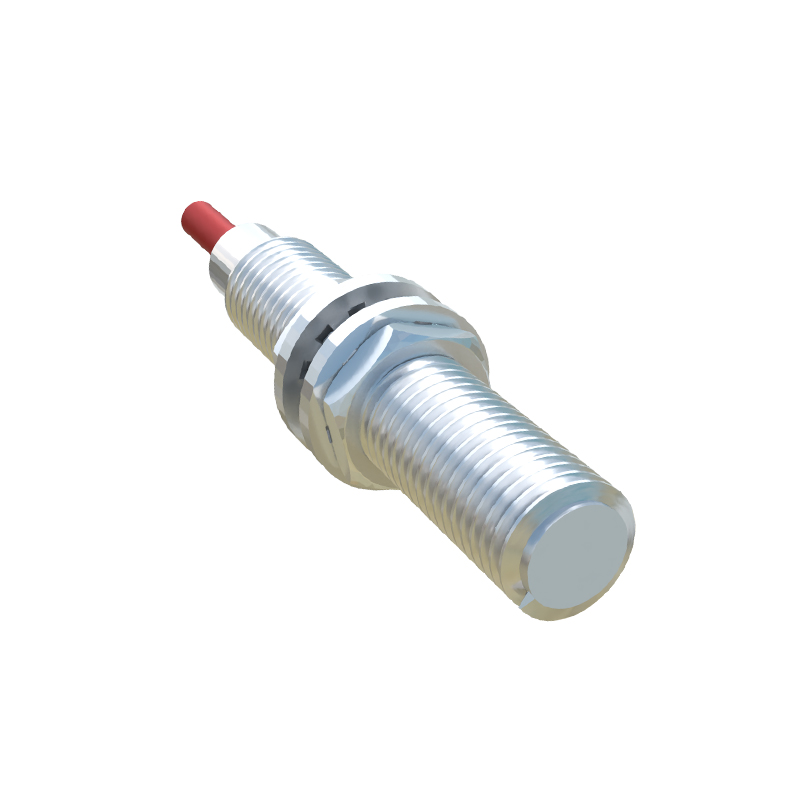
The performance and suitability of a proximity sensor are dictated by its underlying technology. The most common types are inductive, capacitive, and photoelectric. Inductive proximity sensors are the workhorses for detecting metallic objects. They generate an oscillating electromagnetic field; when a metal target enters this field, it induces eddy currents that dampen the oscillation, signaling detection. High-quality inductive sensors offer exceptional repeatability, resistance to environmental contaminants like oil and dust, and are available in shielded (flush-mountable) or unshielded versions for different installation needs. Capacitive sensors can detect both metallic and non-metallic materials (plastics, wood, liquids) by sensing changes in capacitance caused by the target altering an electrostatic field. Premium capacitive sensors feature adjustable sensitivity to handle various material types and can even detect through non-metallic container walls. Photoelectric sensors use a light beam (visible red, infrared, or laser) and are excellent for long-range detection. Advanced models offer background suppression, precise focus, and immunity to ambient light interference.
Defining Characteristics of a High-Quality Sensor
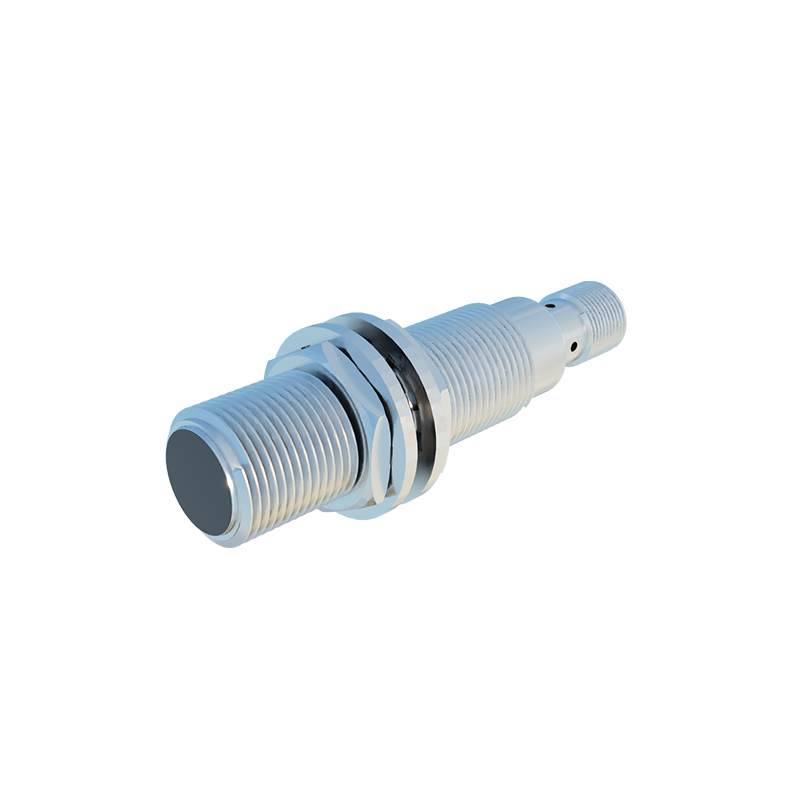
Not all proximity sensors are created equal. A high-quality sensor is distinguished by several critical attributes that ensure longevity and reliability. First is exceptional environmental robustness, including high IP (Ingress Protection) ratings (e.g., IP67, IP69K) for resistance to water, dust, and chemicals, and wide operating temperature ranges. Second is electrical stability: superior voltage regulation, short-circuit and reverse polarity protection, and immunity to electromagnetic interference (EMI) are non-negotiable for preventing downtime. Third is precision in sensing performance: minimal hysteresis (the difference between the switch-on and switch-off points), a consistent and stable sensing range as defined by the manufacturer's specifications, and high switching frequency for fast-moving applications. Finally, mechanical construction is vital, featuring robust housings made from materials like stainless steel or PBT plastic, and reliable, gold-plated connectors to ensure signal integrity over millions of cycles.
Critical Selection Criteria for Industrial Use
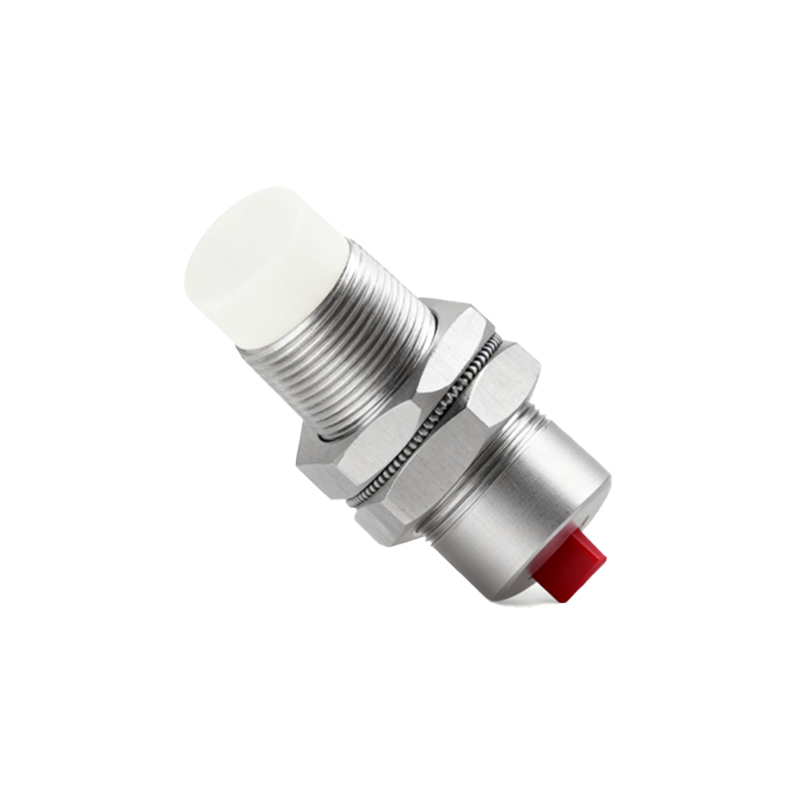
Selecting the right high-quality proximity sensor requires a detailed analysis of the application. The primary consideration is the target material, which dictates the sensor technology (inductive for metals, capacitive for varied materials, photoelectric for long-range). The required sensing distance, or nominal range, must be chosen with a safety margin, typically 70-80% of the catalog specification, to account for temperature drift and manufacturing tolerances. The sensor's housing size and shape (barrel, rectangular, ring) must fit the mechanical constraints. Electrical output type (NPN vs. PNP, NO vs. NC) must match the control system's PLC input card. For demanding environments, specific features like weld-field immunity (for robotic welding), high-temperature resistance (for foundries), or food-grade certifications (for washdown areas) become essential selection criteria. Consulting detailed datasheets from reputable manufacturers is imperative.
Installation and Maintenance Best Practices
Even the highest-quality sensor can underperform if installed incorrectly. For inductive sensors, maintaining proper clearance from surrounding metals is crucial. Shielded sensors can be mounted flush with metal, while unshielded types require a free zone around the sensing face. Ensuring stable, clean power supply voltage within the sensor's specified range prevents erratic behavior. Cables should be routed away from high-power lines to avoid noise induction. While proximity sensors are largely maintenance-free, periodic functional checks are recommended. This involves verifying the sensor triggers correctly at the expected distance and that the output signal is clean and stable. Keeping the sensing face free of buildup (paint, debris, metal chips) is vital for consistent operation. A systematic installation and check routine maximizes sensor life and system uptime.
Applications Across Modern Industry
High-quality proximity sensors are ubiquitous in automated systems. In automotive manufacturing, they verify part