Introduction to EV112M Proximity Sensor Technology
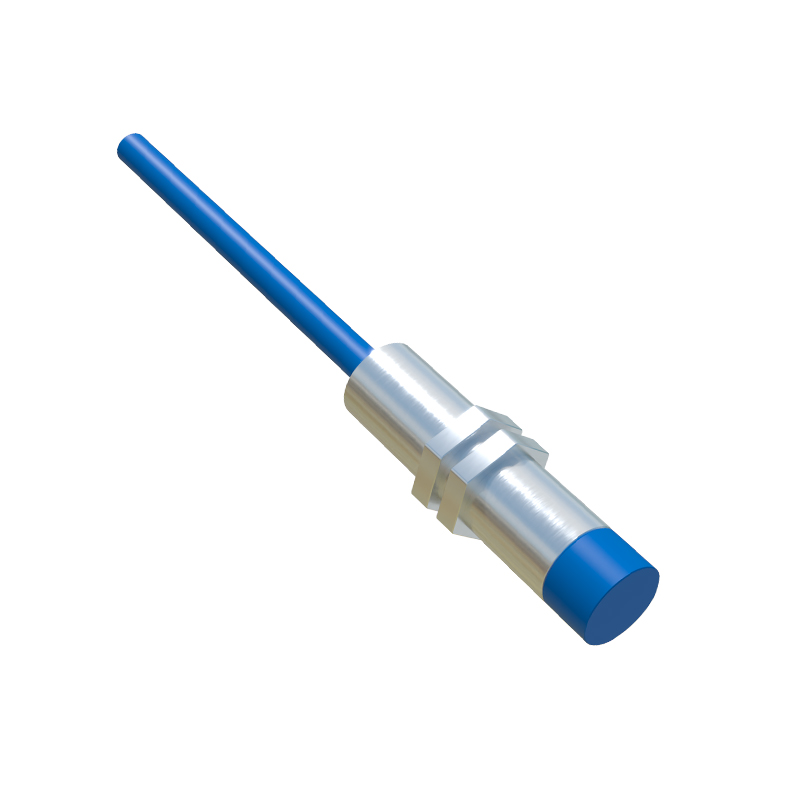
The EV112M represents a significant advancement in inductive proximity sensing technology, engineered for reliability in demanding industrial environments. As a non-contact detection device, it operates on the principle of electromagnetic field generation and eddy current induction. When a metallic target enters its sensing range, it causes a change in oscillation amplitude within the sensor's coil, triggering a solid-state output switch. This fundamental mechanism allows for the detection of ferrous and non-ferrous metals without physical contact, eliminating mechanical wear and enabling high-speed operation. The EV112M is typically housed in a robust, threaded cylindrical body, offering standardized mounting options for seamless integration into machinery and automated systems. Its design prioritizes longevity and consistent performance, making it a cornerstone component in modern industrial automation.
Key Technical Specifications and Performance Parameters
Understanding the EV112M's specifications is crucial for proper application. Key parameters include its sensing distance, which is precisely defined and non-adjustable, ensuring repeatability. The sensor operates on a standard DC voltage range, commonly 10-30V DC, with both PNP (sourcing) and NPN (sinking) output configurations available to match different PLC and control system requirements. Its output current rating defines the load it can drive directly, often sufficient for relays, solenoid valves, or PLC inputs. The switching frequency, measured in Hertz, indicates how many detection cycles per second the sensor can perform, a critical factor for high-speed production lines. Additionally, specifications for housing material, typically nickel-plated brass or stainless steel, IP rating for ingress protection (e.g., IP67), and temperature operating range define its environmental resilience.
Wiring and Installation Best Practices
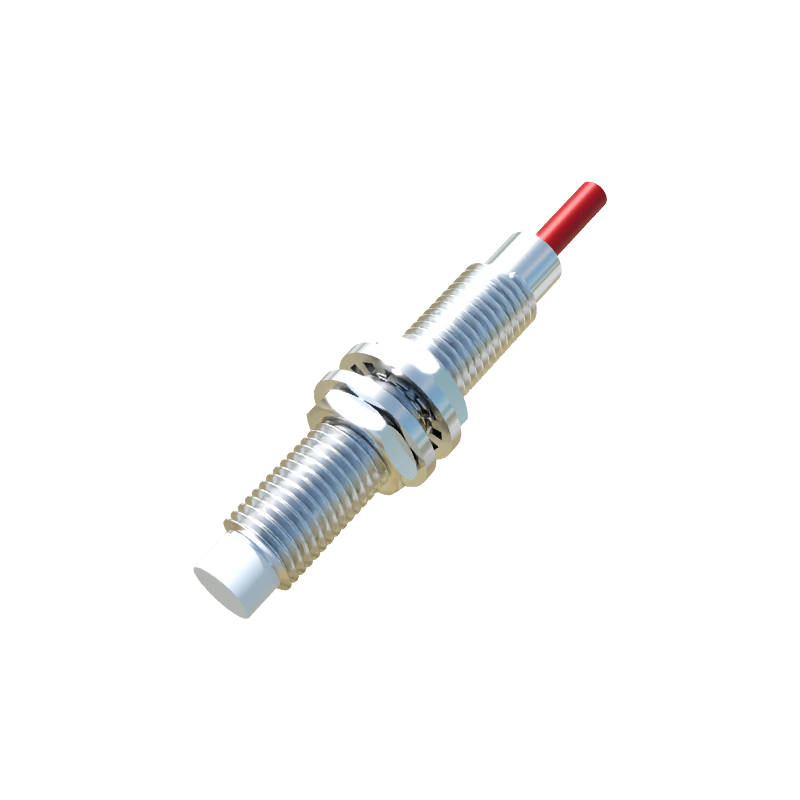
Correct installation is paramount for optimal EV112M performance. The standard three-wire configuration includes brown (V+), blue (V- or common), and black (output signal) wires. Shielding or grounding the cable, especially in environments with significant electromagnetic interference (EMI), is highly recommended. During mounting, it is essential to respect the specified flush or non-flush mounting conditions. Flush-mounted sensors can be embedded in metal without affecting performance, while non-flush types offer longer sensing ranges but require a clear metallic-free zone around the sensing face. Ensuring the target approaches the sensor axially within the declared sensing range guarantees reliable switching. Avoid overtightening during installation to prevent housing damage.
Primary Industrial Applications and Use Cases
The EV112M finds extensive use across diverse sectors due to its robustness. In automotive manufacturing, it is deployed for part presence verification on assembly lines, robotic arm end-of-travel detection, and pallet positioning in conveyor systems. Packaging machinery utilizes these sensors for counting products, detecting foil seals, and controlling fill levels. In material handling, they monitor the position of cranes, elevators, and automatic guided vehicles (AGVs). Metalworking applications include tool breakage detection on CNC machines, spindle positioning, and monitoring workpiece clamping. Its ability to function in oily, dusty, or wet conditions (per its IP rating) makes it indispensable for food processing, pharmaceutical, and heavy machinery industries.
Troubleshooting Common Operational Issues
Even with robust design, operational issues can arise. A frequent problem is failure to detect the target. This can stem from an incorrect sensing distance, using a non-metallic target, or a target smaller than the sensor's face. Electrical issues include incorrect power supply polarity or voltage, wiring faults, or an overloaded output circuit. Environmental factors like excessive buildup of metallic chips on the sensing face, extreme temperatures beyond the specification, or strong adjacent electromagnetic fields can also cause malfunctions. Systematic troubleshooting involves verifying power, checking the target material and approach, inspecting for physical damage or contamination, and using a multimeter to test output signal continuity.
Advantages Over Alternative Sensing Technologies
Compared to other sensor types, the EV112M inductive proximity sensor offers distinct benefits. Unlike mechanical limit switches, it has no moving parts, leading to virtually infinite mechanical life and no contact bounce. Compared to photoelectric sensors, it is unaffected by ambient light, transparent materials, dust, smoke, or color variations, performing reliably in dirty environments. While capacitive sensors can detect non-metals, inductive sensors like the EV112M are immune to false triggers from common non-target materials like water, wood, or plastic, providing high selectivity for metals. Its simple, solid-state design translates to fast response times, high switching frequencies, and excellent resistance to vibration and shock.
Selection Criteria and Integration Considerations
Selecting the correct EV112M variant requires a careful analysis of the application. First, determine the target material (steel, aluminum, brass,