Introduction to Proximity Switch Sensor Locknuts
In the realm of industrial automation and machinery, the reliable operation of proximity sensors is paramount. These non-contact devices detect the presence or absence of objects, forming the backbone of countless control and safety systems. However, the sensor itself is only as good as its installation. This is where the seemingly humble yet critically important component comes into play: the locknut. Specifically designed for proximity switches, the M18 locknut is a standardized fastener that ensures the sensor is securely and precisely mounted. Its primary function is to lock the sensor body into a pre-drilled or tapped mounting hole, preventing loosening due to vibration, thermal cycling, or incidental contact. The M18 designation refers to the metric thread size, with an 18mm major diameter, which is one of the most common thread standards for industrial cylindrical proximity sensors. Choosing the correct locknut is not an afterthought; it is a fundamental step in guaranteeing sensor stability, repeatability, and long-term performance.
Key Design Features and Materials
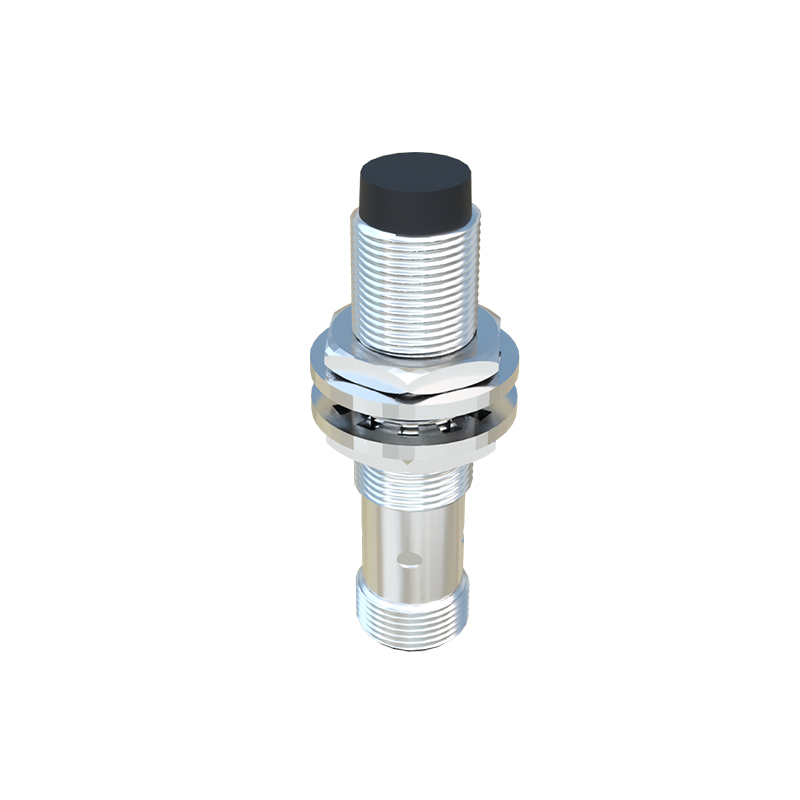
The M18 locknut for proximity sensors is engineered with specific features to meet industrial demands. Typically, it is a hexagonal nut, allowing for easy installation and tightening with standard wrenches. The thread is precision-cut to match the sensor's thread, ensuring a smooth fit without cross-threading. Many industrial-grade locknuts incorporate a locking mechanism. This can be a nylon insert (nylock nut) that creates friction against the sensor thread, a prevailing torque design with a slightly elliptical shape, or a metal collar that can be crimped after installation. These features provide vibration resistance, eliminating the need for secondary locking devices like lock washers. Common materials include stainless steel (such as AISI 304 or 316 for corrosion resistance), zinc-plated steel for general-purpose use, and brass for applications requiring non-magnetic properties or use in explosive atmospheres. The material selection directly impacts the nut's durability, corrosion resistance, and suitability for specific environments like washdown areas, outdoor installations, or chemical plants.
Proper Installation and Mounting Procedures
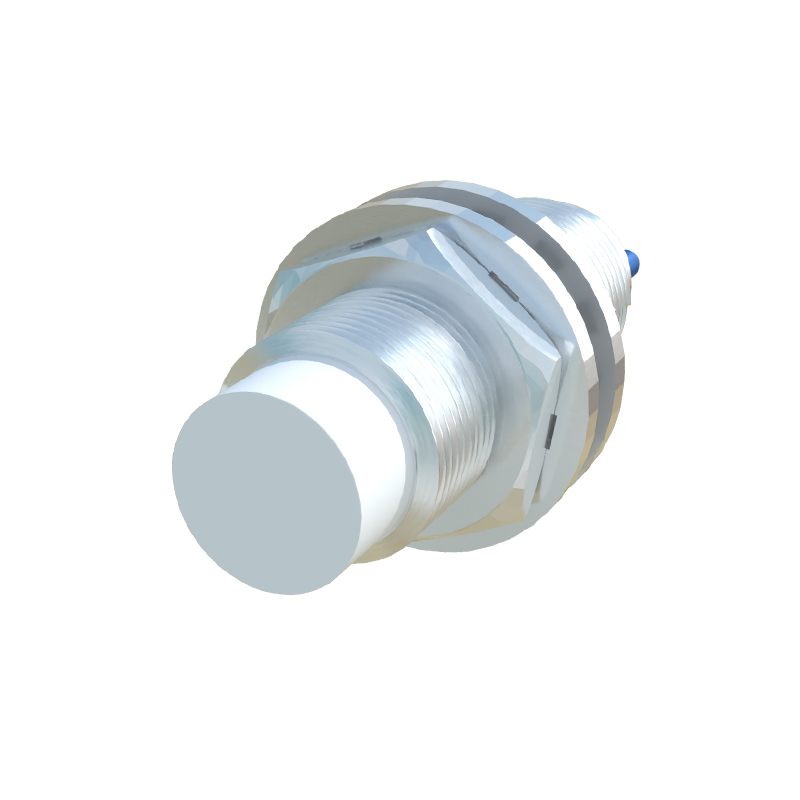
Correct installation is crucial for optimal sensor function and safety. First, ensure the mounting hole in the machine frame or bracket is clean and free of burrs. The hole should be tapped to the correct M18 thread specification. Hand-start the sensor into the hole, then thread on the locknut from the backside. The sensor should be positioned so that its sensing face is at the correct distance and orientation relative to the target object. Once the desired position is achieved, hold the sensor body firmly to prevent rotation and use a wrench to tighten the locknut against the mounting surface. The goal is to achieve a secure, rigid mount without over-torquing, which could damage the sensor's housing or threads. Manufacturer specifications usually provide a recommended tightening torque, often in the range of 10-20 Nm for standard steel nuts. For locknuts with nylon inserts, it's important to note that they should generally not be reused excessively, as the locking effect can diminish. Always follow the sensor and locknut manufacturer's guidelines for the specific product.
Common Challenges and Troubleshooting
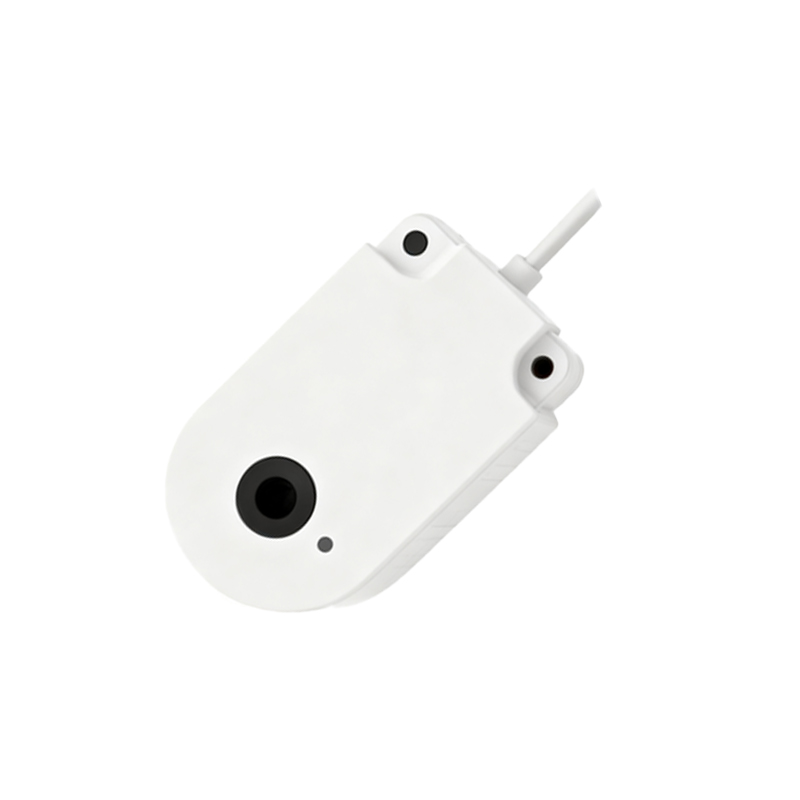
Several issues can arise related to the M18 locknut in field applications. Vibration-induced loosening is a primary concern, often solved by ensuring the correct type of locking nut is used and that it is properly tightened. Corrosion can seize the nut onto the sensor thread, making adjustment or replacement difficult; selecting a material like stainless steel can mitigate this in harsh environments. In some cases, the mounting surface may not be flat or thick enough, preventing the locknut from seating properly and leading to a wobbly sensor. Using a suitable washer or spacer can resolve this. Another frequent challenge is accessibility; in tight spaces, it may be difficult to fit a wrench to tighten the nut. For such applications, thin-profile locknuts or specialized installation tools are available. If a sensor needs frequent repositioning, using a standard nut instead of a permanent locking nut might be preferable, though vibration resistance must be monitored.
Selection Criteria for Different Applications
Selecting the right M18 locknut involves considering the application's specific requirements. For high-vibration environments like stamping presses, conveyor systems, or automotive assembly lines, a nut with a positive locking feature (nylon insert or all-metal lock) is essential. In food and beverage or pharmaceutical settings requiring frequent washdowns with caustic cleaners, a stainless steel locknut (AISI 316) is the standard choice for its superior corrosion resistance. In applications involving strong magnetic fields or where the sensor itself is inductive, a brass nut prevents magnetic interference and ensures accurate sensing. For high-temperature applications near ovens or