Overcoming Distance Limitations in Harsh Environments
Traditional proximity sensors have served industry well for decades, reliably detecting objects at close range. However, the demands of modern, large-scale industrial automation present a significant challenge: the need to sense objects or conditions from several inches to several feet away, often in environments filled with dust, steam, vibration, or extreme temperatures. This is where long-range proximity sensors become indispensable. Unlike their short-range counterparts, these advanced devices utilize robust sensing technologies—primarily ultrasonic and time-of-flight (ToF) infrared—to bridge the gap. They provide the critical "early warning" capability that complex material handling, logistics, and safety systems require. By detecting pallets, vehicles, or personnel from a greater distance, they allow control systems ample time to make decisions, adjust machine speed, or initiate safety protocols, thereby preventing collisions, optimizing flow, and enhancing overall system intelligence and responsiveness.
The Core Technologies: Ultrasonic vs. Infrared Sensing
The extended reach of these sensors is achieved through specific physical principles. Ultrasonic long-range sensors operate by emitting high-frequency sound pulses and measuring the time it takes for the echo to return. This time-of-flight calculation provides an accurate measure of distance to the target. They are particularly effective in environments with airborne particulates like dust or fog, where optical sensors might struggle, and they are generally indifferent to the color or surface finish of the target. Conversely, long-range infrared ToF sensors emit modulated light pulses and measure the phase shift or direct time delay of the reflected light. They offer very high precision and fast response times, making them ideal for applications requiring exact positioning or high-speed counting at a distance. The choice between ultrasonic and IR ToF hinges on the specific application's environmental conditions, required precision, response speed, and target material properties.

Key Applications Driving Adoption
The practical applications for long-range proximity sensors are vast and growing. In automated storage and retrieval systems (AS/RS), they are used for pallet detection in high-bay racking, ensuring the crane's shuttle is correctly positioned before a load is engaged. On conveyor lines, they monitor the buildup of products or the gap between items from a single, centralized point, eliminating the need for multiple short-range sensors. In autonomous mobile robots (AMRs) and automated guided vehicles (AGVs), they serve as primary or secondary collision avoidance sensors, creating a safety bubble around the vehicle. Furthermore, in large machinery and robotics, they provide non-contact position feedback for moving arms or gates over longer strokes. Their ability to function reliably in outdoor settings also makes them perfect for vehicle detection at plant gates, bulk material level monitoring in silos, and personnel presence monitoring in hazardous zones.
Tangible Benefits for Operational Efficiency and Safety
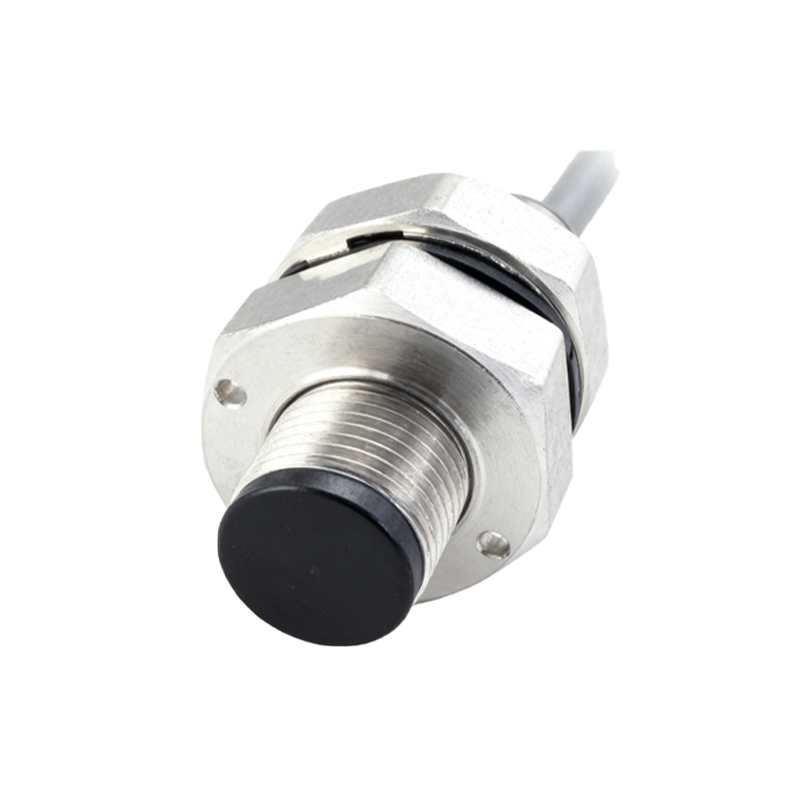
Investing in long-range sensing technology delivers a compelling return on investment through multiple channels. The most direct benefit is the reduction in sensor count and associated wiring; one long-range sensor can often replace several standard sensors, simplifying cabinet layout, reducing installation time, and lowering maintenance complexity. This leads to increased machine uptime and reduced mean time to repair (MTTR). From a safety perspective, they create larger and more reliable detection fields for perimeter guarding and access control, protecting personnel from moving machinery. Operationally, they enable smoother material flow by providing predictive data to PLCs, allowing for anticipatory speed adjustments rather than reactive stops and starts, which reduces wear on mechanical components and improves energy efficiency. The enhanced data from these sensors also feeds into Industry 4.0 analytics platforms, providing valuable insights for predictive maintenance and process optimization.
Critical Selection Criteria for Engineers
Selecting the right long-range proximity sensor is not merely about maximum sensing distance. A competent engineer must evaluate a detailed matrix of parameters. The stated sensing range must be considered alongside the sensor's beam angle or pattern; a narrow beam is excellent for precise detection, while a wide beam is better for area monitoring. The target material, size, and surface (e.g., absorbent, reflective, dark) will dramatically affect performance, especially for optical sensors. Environmental factors are paramount: temperature ranges, potential for condensation, exposure to washdown chemicals, and the presence of intense ambient light or acoustic noise. The output type (analog 4-20mA / 0-10V, discrete PNP/NPN, or IO-Link) must integrate seamlessly with the existing control architecture. Finally, mechanical design factors like housing material (typically stainless steel or ruggedized plastic), ingress protection (IP) rating, and mounting options are crucial for ensuring long-term reliability in the intended location.
The Future: Smarter Sensors for Smarter Factories
The evolution of long-range proximity sensors is tightly coupled with the broader trends