Understanding M8 Proximity Sensor Fundamentals
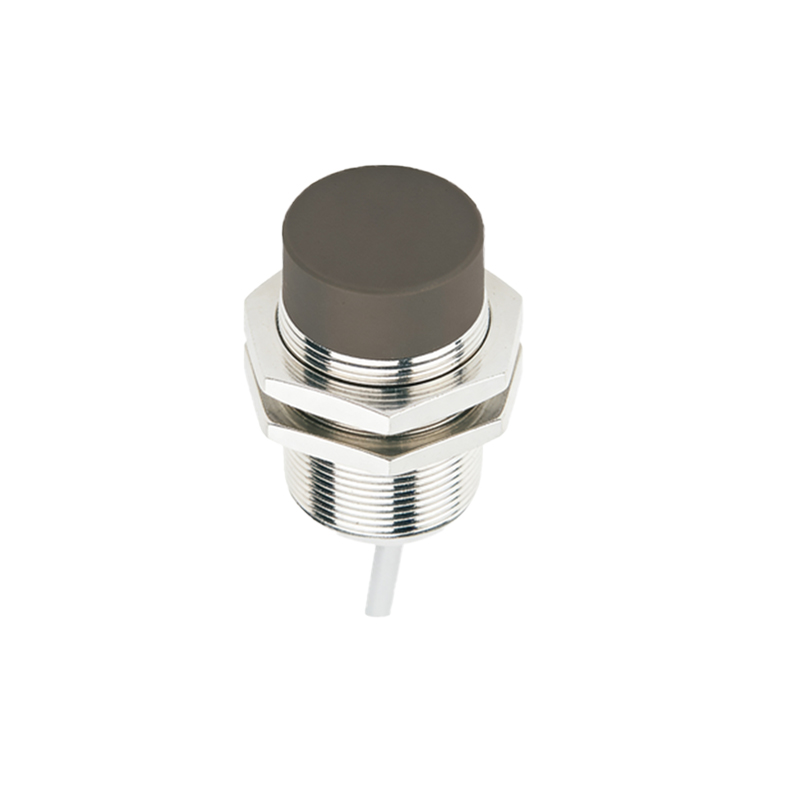
Proximity sensors with an M8 housing represent a critical component in modern industrial automation. Characterized by their compact 8mm cylindrical threaded barrel, these sensors are engineered for installations where space is at a premium. They operate on the principle of detecting the presence or absence of a metallic target without physical contact, primarily utilizing inductive sensing technology. This non-contact operation ensures high reliability, long operational life, and minimal maintenance, making them indispensable in high-cycle applications. The standard M8 form factor allows for easy integration into machinery, control panels, and robotic cells, providing a versatile solution for position sensing, object counting, and end-of-travel detection. Their robust construction typically includes nickel-plated brass or stainless-steel housings, offering resistance to oils, coolants, and industrial debris.
Key Selection Criteria for M8 Models
Selecting the optimal M8 proximity sensor requires a careful evaluation of several technical parameters. First, the sensing distance, or nominal range, is paramount. For standard M8 inductive sensors, this typically ranges from 1mm to 2mm, with factors like target material (steel, aluminum, brass) affecting performance. Secondly, the electrical output configuration must match the control system. Common options include PNP (sourcing) and NPN (sinking) transistor outputs in 3-wire designs, as well as 2-wire AC/DC variants. The operating voltage range, usually between 10-30V DC or 20-250V AC, must be compatible with the plant's power supply. Environmental ratings, specifically the Ingress Protection (IP) code, are non-negotiable. For harsh environments, a rating of IP67 or IP68 is recommended, ensuring protection against dust ingress and temporary or prolonged immersion in water. Finally, consider switching frequency and temperature tolerance to ensure performance under specific operational stresses.

Recommended M8 Proximity Sensor Series
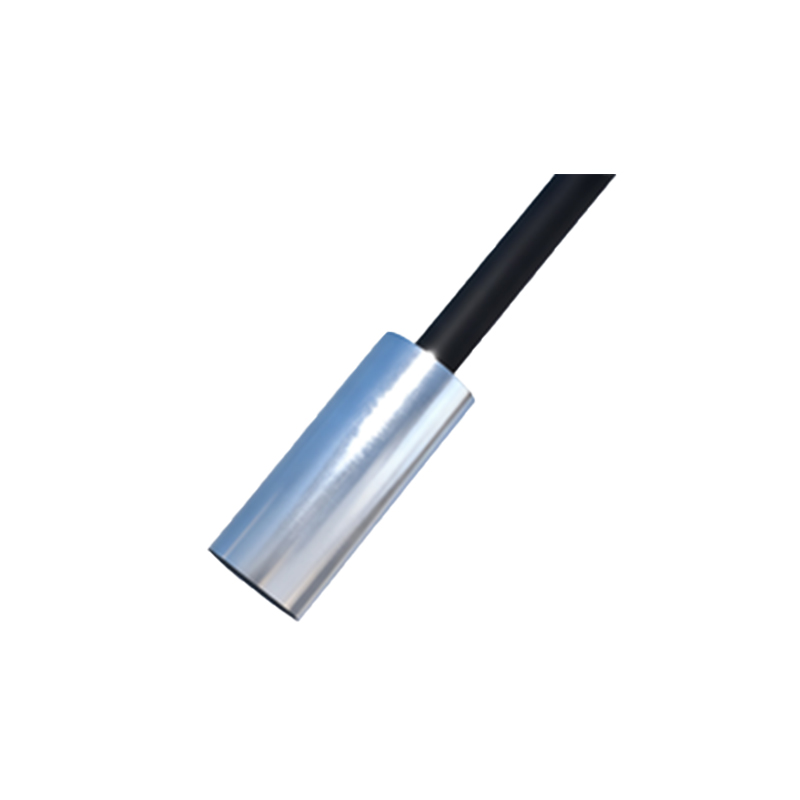
Based on reliability, feature set, and industry adoption, several M8 series stand out. The Turck BI-M8 Series is renowned for its exceptional durability and advanced diagnostics. Featuring a fully welded stainless-steel housing and IO-Link communication capability, it offers smart sensor functionality for predictive maintenance. Next, the Pepperl+Fuchs NJ2 Series provides excellent value and robustness, with a wide voltage range and high interference immunity. Its compact design and precise sensing characteristics make it a versatile choice for general-purpose applications. For environments requiring extreme chemical resistance, the ifm IM008 Series with PBT housing is highly recommended. It offers stable switching points and high repeat accuracy. Additionally, the Sick IME08 Series is a top contender for high-precision tasks, offering sub-millimeter repeatability and a variety of connector options for simplified cabling.
Installation and Wiring Best Practices
Correct installation is crucial for maximizing sensor performance and longevity. Ensure the sensor is mounted securely using its threaded barrel, avoiding excessive torque that could damage the housing. Maintain the specified sensing distance from the target, accounting for any reduction factors for non-ferrous metals. For inductive sensors, a flush-mountable design allows installation in metal without requiring a side clearance. Wiring must adhere to the manufacturer's diagram strictly. For 3-wire DC sensors, connect the brown wire to positive (+), blue to negative (-), and the black wire as the switching output. Always use shielded cables in electrically noisy environments and ground the shield at the controller end only. Provide adequate strain relief for the cable or connector to prevent wire breakage from vibration. Finally, perform a functional test with the actual target material to verify the sensing window and output signal integrity before putting the system into full operation.