Introduction to the 2080a Proximity Sensor
The 2080a proximity sensor represents a significant advancement in industrial sensing technology, designed for reliability and precision in demanding environments. As a non-contact sensing device, it detects the presence or absence of metallic objects without physical interaction, thereby minimizing wear and tear. Its robust construction typically features a durable housing, often rated for IP67 or higher, making it resistant to dust, moisture, and mechanical impacts. Engineers favor the 2080a for its consistent performance in automation systems, conveyor belts, and robotic assembly lines, where accurate object detection is critical for operational efficiency and safety.
Core Technical Specifications and Operating Principles
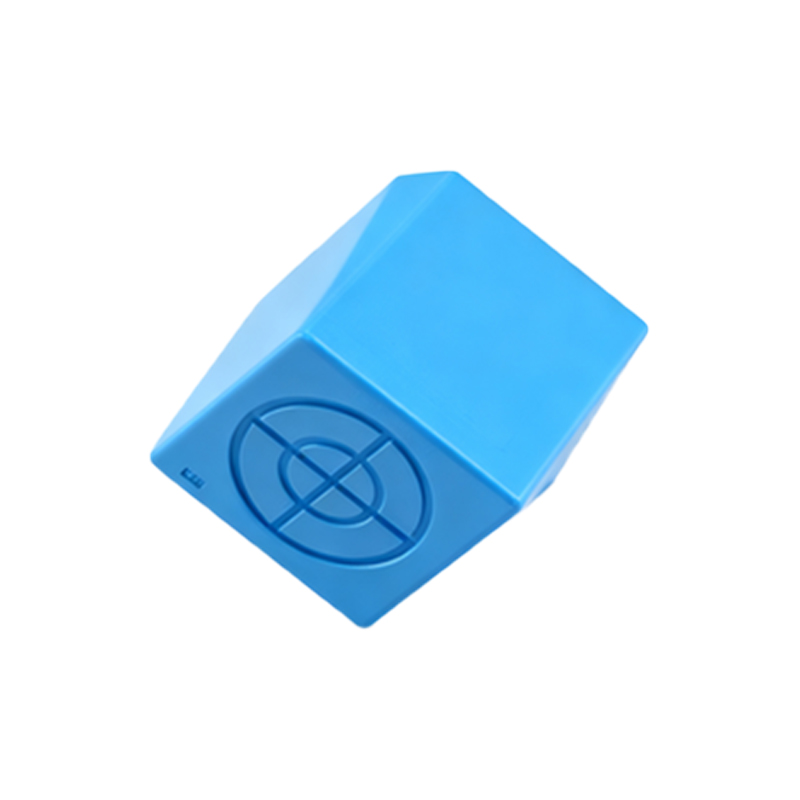
At its heart, the 2080a operates primarily on the inductive sensing principle. It generates an electromagnetic field from its sensing face. When a metallic target enters this field, it induces eddy currents within the target, causing a change in the sensor's internal oscillation amplitude. This change is detected by the sensor's circuitry, triggering a solid-state output signal. Key specifications often include a sensing range tailored for specific applications, a fast response time measured in milliseconds, and various output configurations such as NPN, PNP, or analog (4-20mA, 0-10V). Operating voltage ranges are typically compatible with standard industrial DC supplies (10-30V DC), ensuring easy integration into existing control panels and PLC systems like Allen-Bradley CompactLogix or Siemens SIMATIC.
Key Features and Performance Advantages
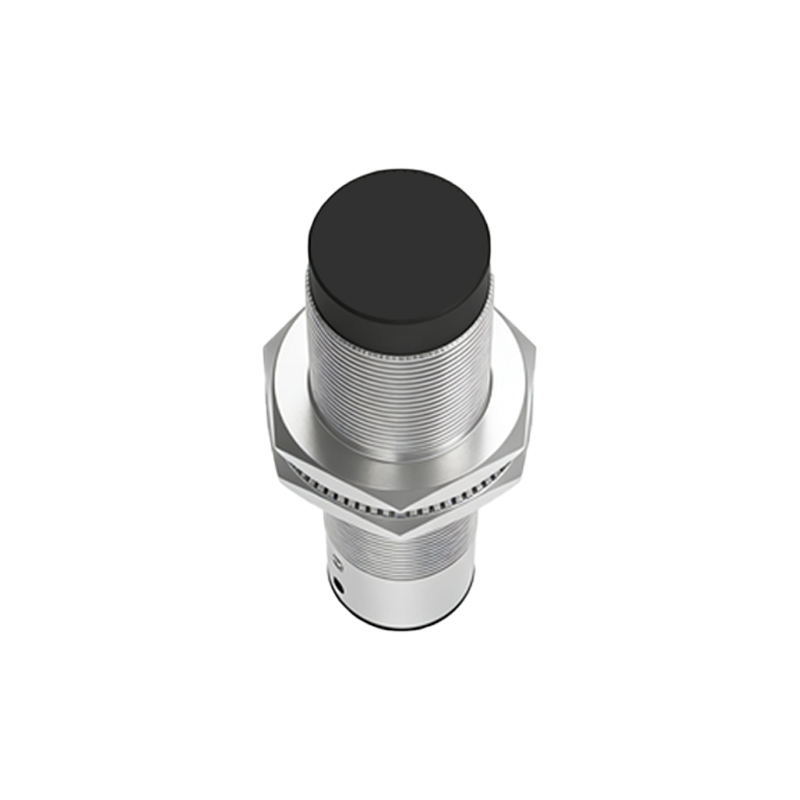
Several distinguishing features set the 2080a apart. Its high switching frequency allows for the detection of rapidly moving objects, which is essential in high-speed packaging or sorting applications. Many models incorporate built-in diagnostics, such as LED status indicators for power, output, and overload conditions, facilitating quick troubleshooting. The sensor's excellent temperature stability ensures reliable operation across a wide industrial temperature range, from -25°C to 70°C. Furthermore, its immunity to electrical noise from variable frequency drives (VFDs) or welding equipment is a critical advantage in electrically noisy plant environments, preventing false triggers and maintaining system integrity.
Installation, Wiring, and Configuration Guidelines
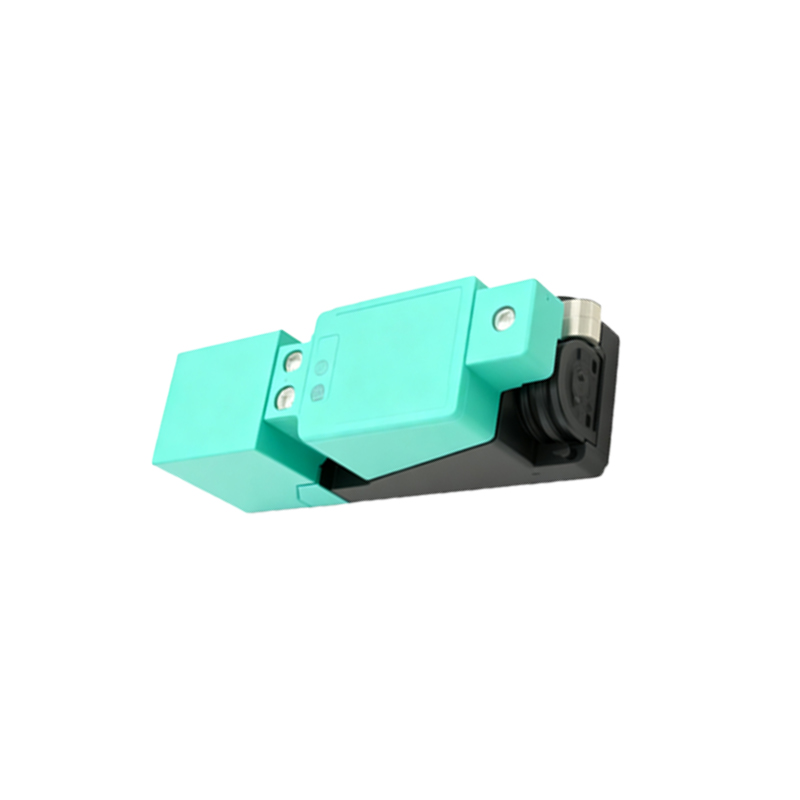
Proper installation is paramount for optimal performance. It is recommended to mount the 2080a sensor securely, ensuring the target approaches the sensing face correctly, typically in a head-on approach for maximum range. Engineers must adhere to specified mounting distances, especially when installing multiple sensors side-by-side, to prevent mutual interference. Wiring should follow the manufacturer's diagram precisely; for a standard three-wire DC sensor, this involves connecting the brown wire to positive voltage, the blue wire to common negative, and the black wire as the switched output to the PLC input module. Configuration is usually straightforward, though some advanced models offer teach-in functionality or potentiometers for fine-tuning sensitivity to ignore background metals or adjust for specific target materials.
Common Application Scenarios in Industrial Automation
The versatility of the 2080a sensor makes it a staple in numerous applications. In automotive manufacturing, it is used for part presence verification on palletized engines or for detecting piston position. In material handling, it counts boxes on conveyors or verifies the position of a lift. In metalworking machinery, it serves as a limit switch for tool positioning or detects the end of a metal coil. Its robustness also makes it suitable for harsh environments like sawmills or foundries, where it monitors the position of metal rollers or detects metal slugs. In packaging lines, it ensures proper cap placement on bottles by detecting the metal liner within the cap.
Maintenance, Troubleshooting, and Best Practices
While designed for longevity, the 2080a requires periodic inspection. Maintenance involves cleaning the sensing face of accumulated debris, oil, or metal chips that could dampen the sensing field. Checking for physical damage to the cable or housing is also crucial. Common troubleshooting steps include verifying power supply voltage, inspecting wiring connections for looseness or corrosion, and using a simple metal target to test basic functionality if the output fails. Best practices include using shielded cables in high-noise environments, implementing proper grounding for the sensor and associated equipment, and keeping a stock of critical spares to minimize downtime. Always consult the specific manufacturer's datasheet for model-specific tolerances and warnings.
Comparison with Other Sensor Technologies
While the inductive 2080a excels with metals, understanding its place among other sensors is important. Compared to capacitive sensors (which can detect non-metals), the 2080a offers superior precision and stability for metal targets. Versus ultrasonic sensors, it provides faster response times and is unaffected by target color, transparency, or dust, though ultrasonic sensors have longer ranges