Introduction to Ultra-Capacitive Sensing Technology
Ultra-capacitive proximity sensors represent a significant advancement in non-contact detection technology. Unlike standard capacitive sensors, which measure changes in an electrostatic field, ultra-capacitive variants utilize a more sensitive and stable principle, often involving advanced dielectric materials and sophisticated signal processing. These sensors detect the presence or absence of conductive or non-conductive objects by sensing minute changes in capacitance caused by the target entering the sensor's electrostatic field. The "ultra" designation typically refers to enhanced capabilities such as extended sensing ranges, superior noise immunity, and the ability to detect targets through certain non-metallic barriers. This makes them indispensable in environments where precision, reliability, and material versatility are paramount.
Standard Cylindrical and Cubic Housing Sensors
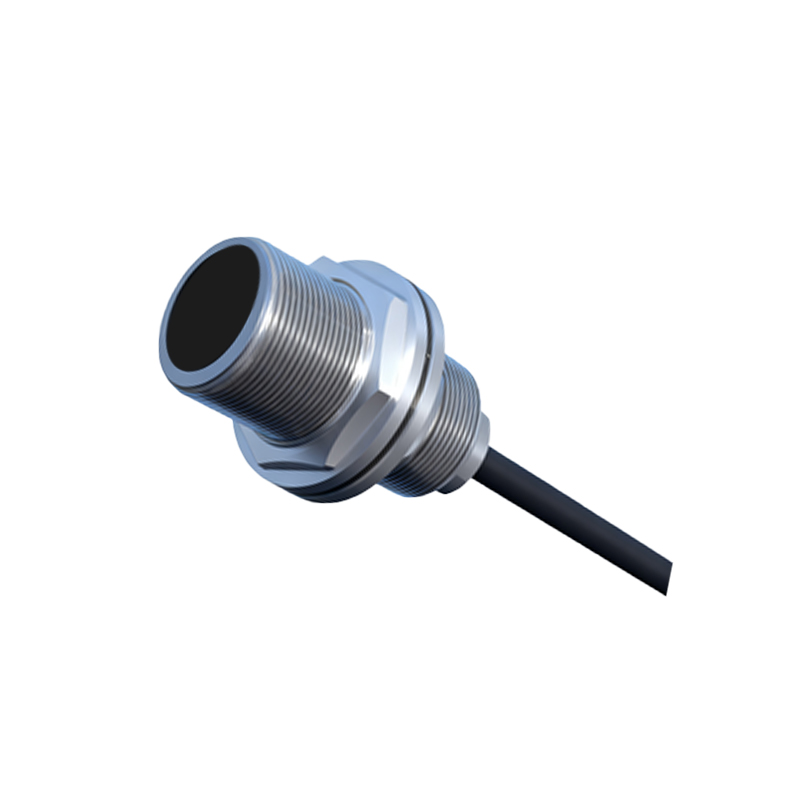
The most common form factors in industrial settings are cylindrical and cubic housings. Cylindrical sensors, often with M8, M12, M18, or M30 threaded barrels, are designed for easy installation in drilled holes and are prevalent in machinery and automated assembly lines. Cubic or block-style sensors offer flexible mounting options on flat surfaces and often feature adjustable sensing ranges or multiple output configurations. Both types are typically constructed from robust materials like nickel-plated brass or stainless steel (V2A/V4A) for the housing, with sensing faces made of PTFE or other plastics to protect the active element. They are available in AC, DC, PNP, or NPN output variants to interface seamlessly with PLCs and control systems.
High-Temperature and Chemically Resistant Variants
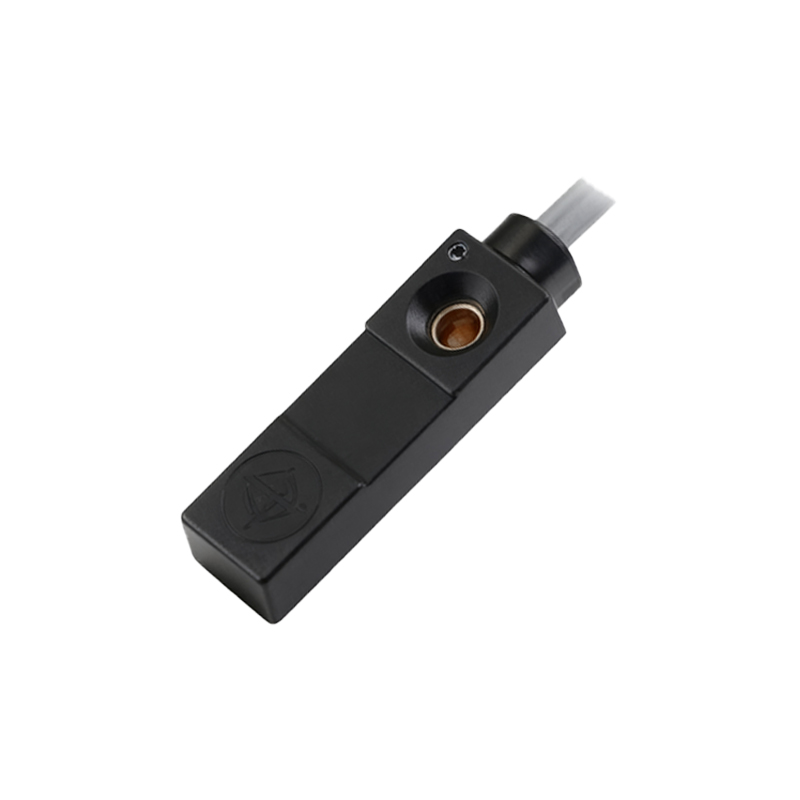
For harsh industrial environments, specialized ultra-capacitive sensors are engineered to withstand extreme conditions. High-temperature models can operate reliably in ambient temperatures exceeding 100°C, often utilizing high-temperature-resistant cables and specialized internal components. Chemically resistant sensors feature housings and sensing faces made from materials like PVDF (polyvinylidene fluoride) or PTFE, which offer excellent resistance to aggressive acids, alkalis, solvents, and cleaning agents. These sensors are critical in chemical processing, pharmaceutical manufacturing, and food & beverage industries where equipment must endure frequent washdowns with corrosive sanitizers.
Factor 1 and Analog Output Sensors
A key distinction among capacitive sensors is the sensing factor. Standard sensors have a factor of 1, meaning they can detect both conductive materials (like metals) and non-conductive materials (like plastics, glass, wood, or liquids) but typically at a reduced range for non-conductors. Ultra-capacitive sensors often optimize this capability. Furthermore, analog output sensors (e.g., 0-10V or 4-20mA) provide a continuous signal proportional to the distance or the material property of the target, rather than a simple on/off switch. This allows for applications such as monitoring fill levels in tanks, controlling tension in webs, or measuring thickness of materials with high precision.
Slot and Ring Sensors for Specialized Detection
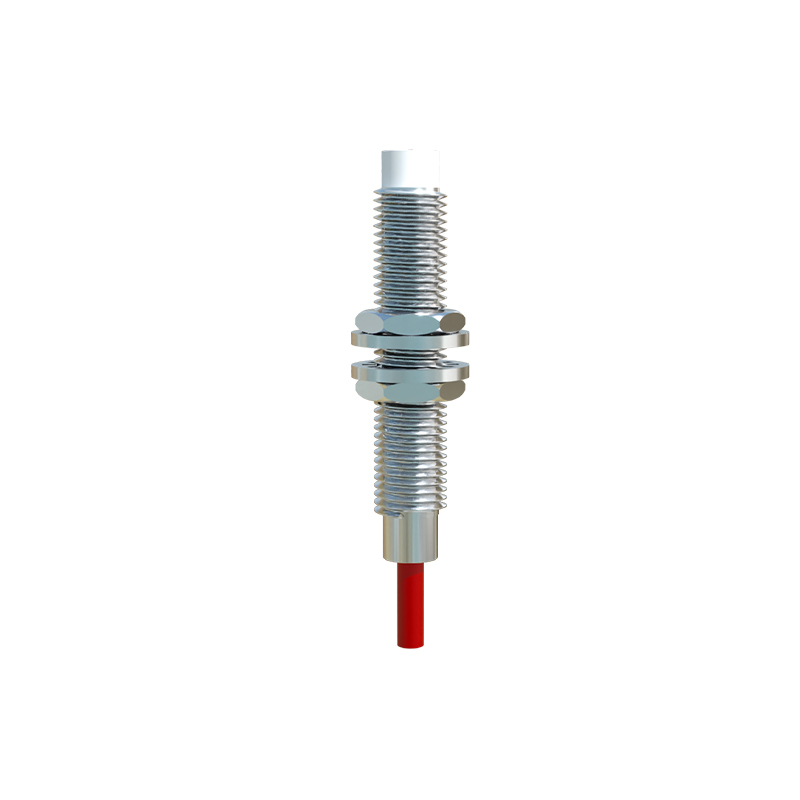
Beyond standard proximity styles, ultra-capacitive technology is implemented in unique form factors. Slot sensors, or fork sensors, have a U-shaped design where the target passes through the "slot," breaking the capacitive field between the two arms. They are ideal for detecting small parts, labels, or the presence of objects on conveyors. Ring sensors are cylindrical with a hollow center, allowing wires, cables, or small components to pass through. They can detect the presence of a material inside the ring, making them perfect for applications like broken wire detection, thread monitoring in textile machinery, or controlling the flow of granular materials in a tube.
Application-Specific Sensors: Level Detection and More
Many ultra-capacitive sensors are designed for a singular, critical purpose. Capacitive level sensors are a prime example, used extensively for point-level detection of liquids, powders, and granules in silos, hoppers, and tanks. They can detect the presence of a material at a specific height, triggering fill or empty cycles. Other application-specific designs include sensors for detecting transparent films, monitoring the integrity of container seals, or ensuring the correct positioning of PCB boards. Their ability to ignore environmental factors like dust, steam, or ambient light makes them superior to optical methods in many challenging scenarios.
Key Selection Criteria and Industry Trends
Selecting the correct ultra-capacitive sensor requires analyzing several parameters: the target material (conductive/non-conductive), required sensing distance, environmental conditions (temperature, chemicals), electrical requirements (voltage, output type), and housing needs. The current industry trend is towards miniaturization, with smaller sensors (like M5 and M8) offering performance once reserved for larger units. Additionally, the integration of IO-Link