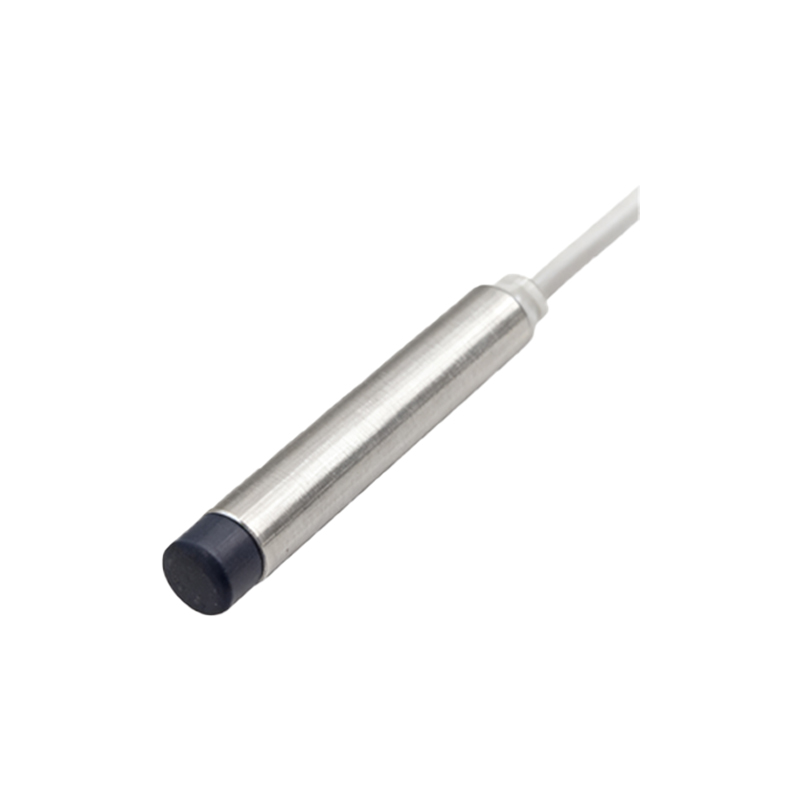
In the realm of industrial automation, precision, reliability, and durability are non-negotiable. Among the myriad of components that ensure seamless operation, the M12 proximity sensor stands out as a fundamental pillar. Characterized by its compact 12mm threaded cylindrical housing, this sensor type has become ubiquitous across factories worldwide. But what exactly makes it so indispensable, and how do you choose the right one for your application? This guide delves into the core principles, types, and practical considerations.
At its heart, an M12 proximity sensor is a non-contact electronic device designed to detect the presence or absence of an object within its sensing range without physical contact. It achieves this through various technologies, primarily inductive, capacitive, and occasionally magnetic principles. Inductive sensors are the most common variant within the M12 form factor. They generate an electromagnetic field and react to the intrusion of metallic objects, making them perfect for detecting machine parts, tools, or position verification on conveyor systems. Their robustness against dirt, dust, and coolants makes them ideal for harsh manufacturing environments.
Capacitive M12 sensors, on the other hand, can detect both metallic and non-metallic materials—liquids, plastics, wood, or glass—by measuring changes in capacitance. This versatility finds applications in level detection for tanks, material handling, and packaging lines where diverse materials are present. The M12 form factor ensures these capacitive models can be installed in space-constrained areas while maintaining high performance.
The "M12" designation primarily refers to the sensor's connection and housing standard: a 12mm threaded barrel with typically a 4-pin or 2-pin connector. This standardized threading allows for quick, secure, and sealed installation, often meeting IP67 (dust-tight and protected against temporary immersion) or higher ingress protection ratings. The standardized connector system simplifies wiring, reduces downtime during replacement, and ensures compatibility with a vast ecosystem of industrial cables and controllers.
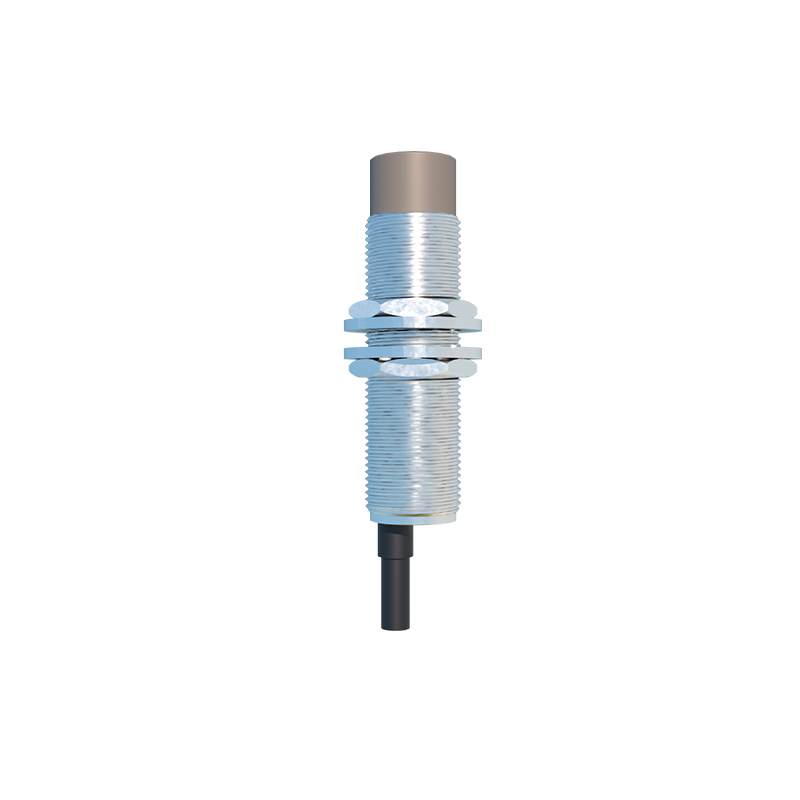
Selecting the correct M12 sensor requires careful analysis of several parameters. First, define the target material. For ferrous or non-ferrous metals, an inductive sensor is the default choice. For other materials, a capacitive model is necessary. Next, consider the sensing distance. M12 inductive sensors typically offer ranges from 1mm to 4mm, while capacitive versions may offer slightly longer ranges. It is crucial to note that the rated sensing distance is defined for a standard target; real-world conditions like target size, shape, and material composition can affect performance.
Electrical characteristics are equally vital. Most M12 sensors operate on DC voltages (10-30V DC) and provide either a PNP (sourcing) or NPN (sinking) output signal. The choice between PNP and NNP must align with the input card of your programmable logic controller (PLC). Furthermore, output configuration—normally open (NO) or normally closed (NC)—defines the switching logic in relation to the target's presence. Environmental factors cannot be overlooked. Will the sensor be exposed to extreme temperatures, washdowns, cutting fluids, or strong electromagnetic interference? Ensuring the sensor's housing material (often nickel-plated brass or stainless steel) and IP/IEC ratings match the operational environment is key to longevity.
Application examples are vast. In automotive assembly, M12 inductive sensors verify the presence of pistons or gears. In food and beverage processing, stainless steel M12 capacitive sensors monitor liquid levels in stainless steel vats. On packaging machinery, they count products or confirm flap positions. Their small size allows for dense mounting on robotic arms or within compact machine modules.
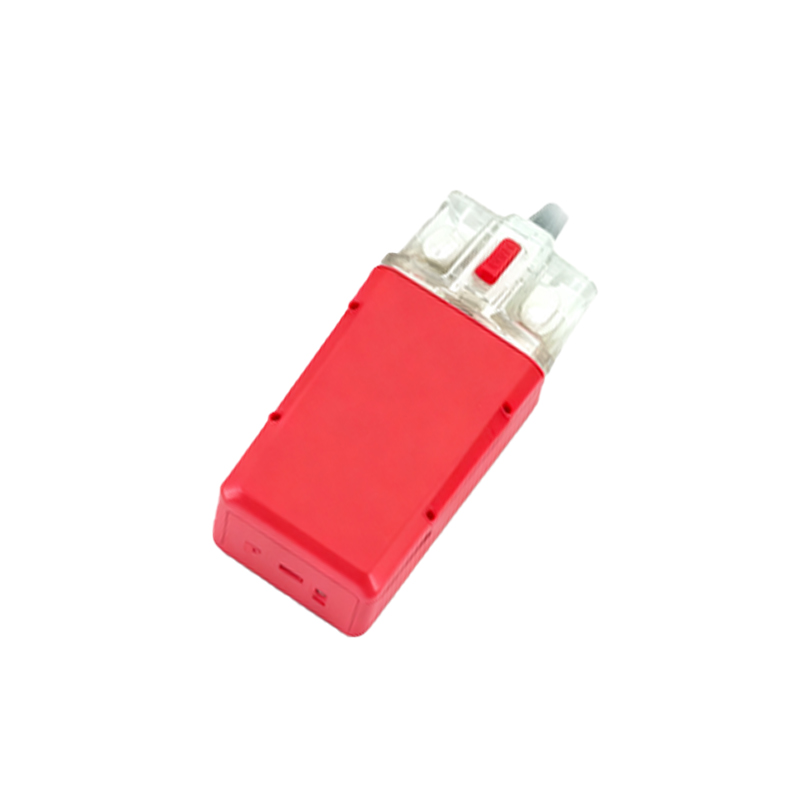
Installation best practices involve ensuring the correct mounting, maintaining adequate clearance from metal surroundings to prevent false triggering (a concept known as flush or non-flush mounting specifications), and using proper shielding and cable management to avoid electrical noise. Regular maintenance, though minimal, involves checking for physical damage, buildup of debris on the sensing face, and verifying signal integrity.
In conclusion, the M12 proximity sensor is far more than just a small component. It is a highly engineered, reliable, and standardized solution that forms the sensory nervous system of modern automation. By understanding its operating principles, key selection criteria, and application nuances, engineers and technicians can significantly enhance system reliability, efficiency, and uptime. As Industry 4.0 and smart manufacturing evolve, the humble M12 sensor will continue to be a critical enabler of precise and data-rich automation.