Understanding Proximity and Infrared Sensor Fundamentals
Proximity and infrared (IR) sensors are fundamental components in modern electronics, enabling devices to perceive and interact with their environment without physical contact. A proximity sensor typically detects the presence of nearby objects, often using infrared light, capacitive, or inductive technologies. Infrared sensors, a broader category, detect IR radiation emitted or reflected by objects. When integrated with development boards like Arduino, Raspberry Pi, or STM32, these sensors unlock a vast array of applications, from simple object detection to complex gesture recognition and environmental mapping. The core principle involves an IR emitter, usually an LED, and an IR receiver or photodiode. The emitter sends out an IR signal, which is reflected by an object and captured by the receiver. The development board's microcontroller then processes this signal to determine distance, presence, or specific patterns.
Selecting the Right Sensor and Development Board
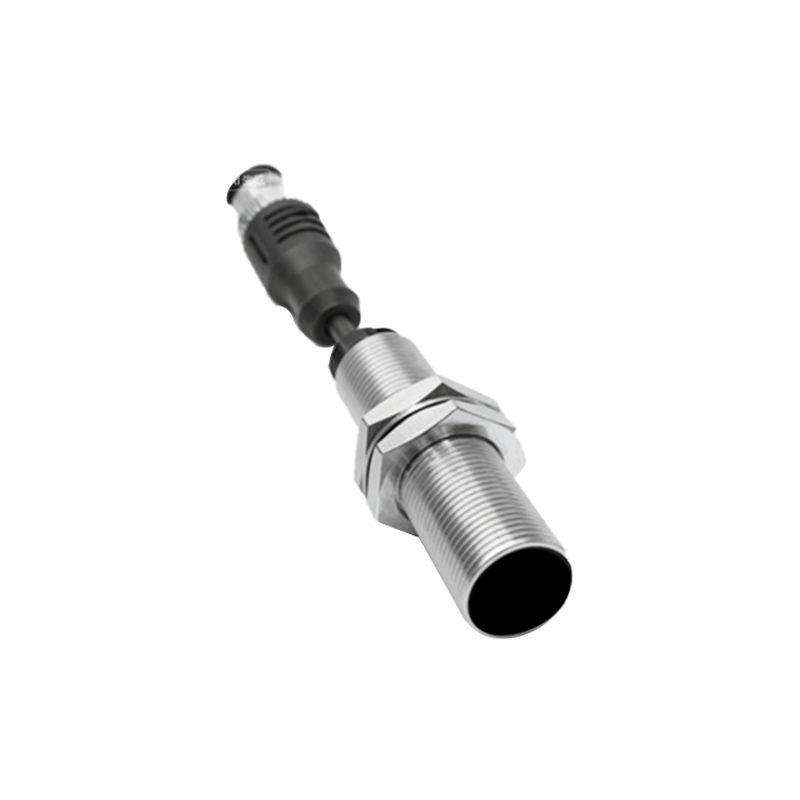
Choosing the appropriate sensor and development board is critical for project success. For basic proximity detection, sensors like the Sharp GP2Y0A21YK0F or the simple IR obstacle avoidance module are popular. For more precise distance measurement or ambient light sensing, integrated digital sensors like the Vishay VCNL4040 or STMicroelectronics' VL6180X offer superior performance with I2C or SPI interfaces. The development board selection hinges on processing needs, interface compatibility, and power constraints. An Arduino Uno is excellent for rapid prototyping with analog sensors, while a Raspberry Pi is better suited for data-intensive applications requiring complex algorithms or connectivity. An STM32 board provides a balance of real-time performance and low power consumption for embedded systems.
Hardware Interfacing and Circuit Connections
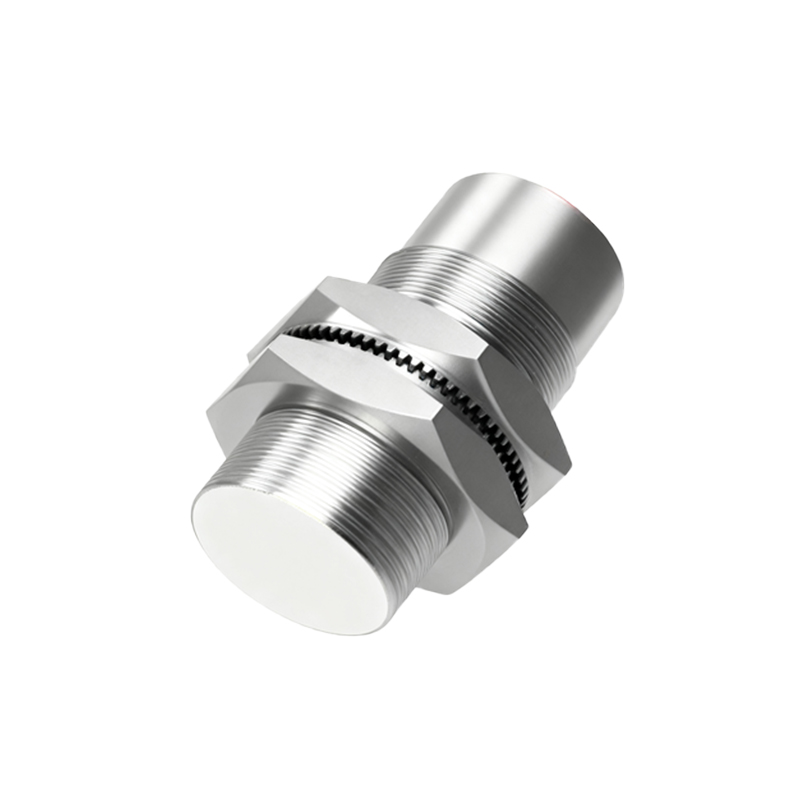
The physical connection between the sensor and the development board is straightforward but requires attention to detail. Most basic IR proximity sensors have three pins: VCC (power), GND (ground), and OUT (signal). Connect VCC to the board's 3.3V or 5V pin (as per sensor specification), GND to the board's ground, and the OUT pin to a digital or analog input pin. For I2C sensors, connect the SDA and SCL pins to the corresponding I2C pins on the development board, alongside power and ground. Always use pull-up resistors on the I2C lines if they are not integrated into the sensor or board. Ensure stable power supply lines, as noise can significantly affect IR sensor readings. For long-distance wiring, consider shielding the signal lines.
Software Implementation and Code Examples
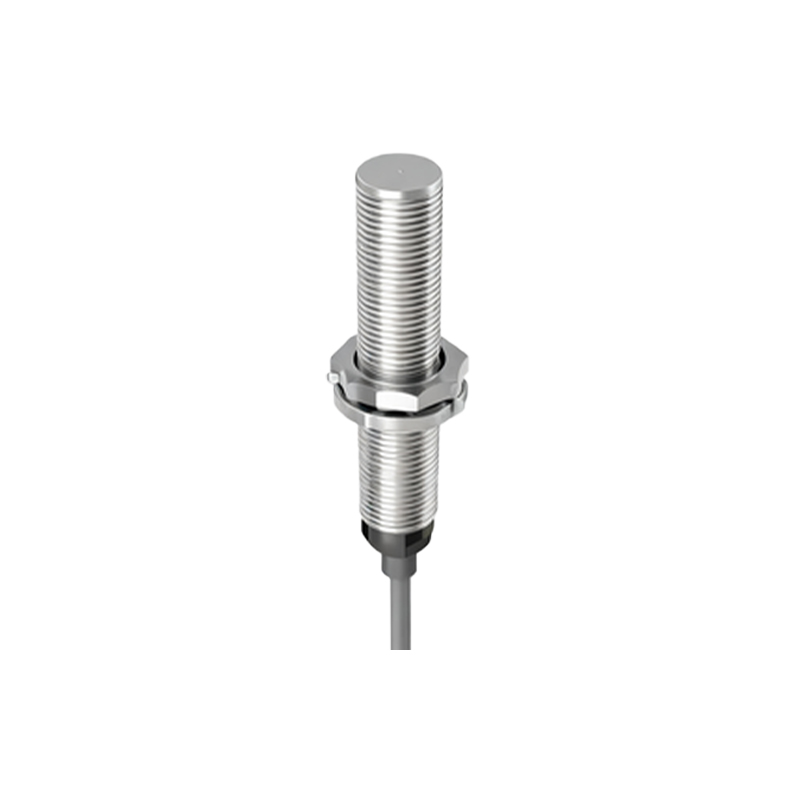
Software development involves reading the sensor's output and translating it into meaningful data. For analog sensors, use theanalogRead() function on Arduino to get a voltage value, which can be mapped to distance using the sensor's datasheet formula. For digital sensors, libraries are often available. For instance, using theWire library for I2C communication simplifies reading data from advanced sensors. A basic Arduino sketch for an analog IR proximity sensor might include calibration routines to establish thresholds for object detection. On a Raspberry Pi, Python libraries likesmbus orAdafruit_CircuitPython_VL6180X can be used. The code should always include error handling for sensor communication failures and filtering (like moving averages) to smooth noisy data.
Calibration and Environmental Considerations
Calibration is essential for reliable operation. Factors like ambient IR light (from sunlight or incandescent bulbs), object reflectivity, and sensor temperature can affect readings. Start by reading sensor values with no object present (baseline) and with an object at a known distance. Use these values to calibrate your detection thresholds or distance calculation formula. For environments with variable ambient light, consider sensors with built-in ambient light rejection or implement software compensation by periodically sampling the ambient IR level. Enclosing the sensor in a dark tube can help reduce interference from side ambient light and improve directivity for more accurate proximity detection.
Advanced Applications and System Integration
Beyond simple detection, these sensors enable sophisticated systems. Combining multiple IR sensors creates a proximity array for object tracking or simple shape recognition. Integrating a proximity sensor with a microcontroller's interrupt capability allows for ultra-low-power wake-up systems in battery-operated devices. In robotics, arrays of IR sensors are used for cliff detection or line following. For human-machine interfaces, specialized gesture sensors like the APDS-9960 combine proximity, ambient light, and color sensing to detect swipes or taps. These applications often require sensor fusion, combining data from IR sensors with accelerometers or cameras on the development board to build a more robust perceptual model.
Troubleshooting Common Integration Issues
Common challenges include inconsistent readings, sensor