Introduction to Explosion-Proof Ultrasonic Sensing in Mining
The mining industry operates in some of the most challenging and hazardous environments on earth. In these settings, where flammable gases, combustible dust, and volatile vapors are often present, the need for intrinsically safe and reliable sensing technology is paramount. Explosion-proof ultrasonic proximity sensors have emerged as a critical component in modern mining automation and safety systems. Unlike traditional mechanical or optical sensors, ultrasonic sensors use high-frequency sound waves to detect objects, measure distances, and monitor levels without physical contact. Their explosion-proof design ensures they can operate safely within designated hazardous zones, such as Zone 1 or Zone 2 for gases and Zone 21 or 22 for dust, as classified by international standards like ATEX and IECEx. This non-contact principle makes them exceptionally durable, immune to environmental factors like dust, moisture, and varying light conditions that commonly plague other sensor types in mining applications.
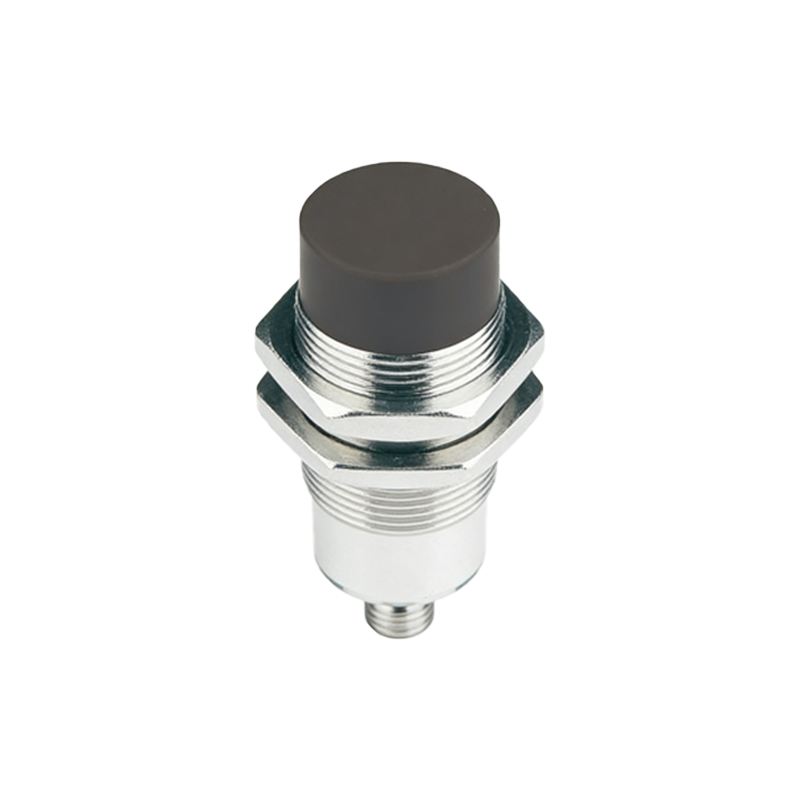
Core Technology and Working Principle
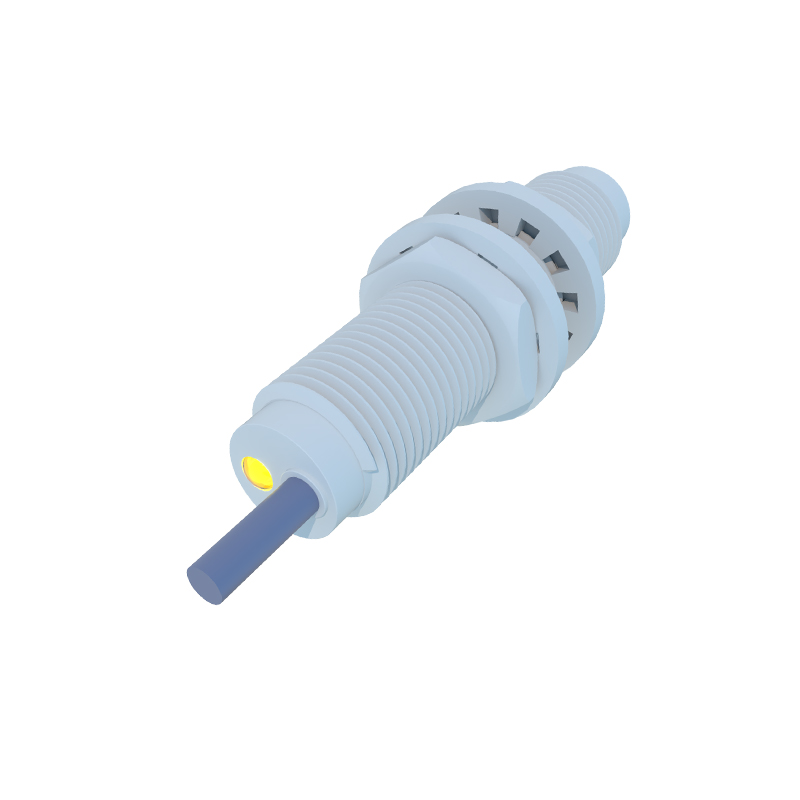
At the heart of a mining-grade explosion-proof ultrasonic sensor is a piezoelectric transducer. This component acts as both a speaker and a microphone. In a typical operating cycle, the sensor emits a short burst of ultrasonic sound waves, typically at frequencies between 40 kHz and 400 kHz, which are inaudible to humans. These sound waves travel through the air until they encounter a target object. Upon hitting the object, the waves are reflected back towards the sensor. The transducer then switches to receive mode, capturing the returning echo. An integrated microcontroller precisely calculates the time interval between the emission and the reception of the echo. Using the known speed of sound in air (adjusted for ambient temperature via built-in compensation), the sensor accurately determines the distance to the target. The explosion-proof housing is rigorously engineered to contain any potential internal spark or thermal effect, preventing ignition of the surrounding explosive atmosphere. This is achieved through robust enclosures, flame paths, and pressure-resistant designs that meet stringent certification requirements.
Key Advantages for Mining Operations
The adoption of explosion-proof ultrasonic sensors in mining delivers significant operational advantages. First and foremost is enhanced safety. By enabling non-contact detection of equipment, personnel, and material levels in hazardous areas, they reduce the risk of collisions, overflows, and manual inspections in dangerous zones. Their reliability in harsh conditions is unparalleled. They are unaffected by airborne dust, dirt, fog, or slurry splashes, which can blind optical sensors or jam mechanical ones. This translates to reduced maintenance downtime and lower total cost of ownership. Furthermore, their versatility is a major benefit. A single sensor model can often be used for multiple applications, from measuring the fill level of a slurry tank or ore bin to positioning a continuous miner or detecting the presence of a shuttle car. Their ability to work with a wide variety of target materials—whether solid, liquid, granular, or transparent—adds to their flexibility in complex mining processes.
Primary Applications in Underground and Surface Mining
Explosion-proof ultrasonic sensors find diverse and critical applications across all facets of mining. In material handling, they are essential for bulk solid and liquid level monitoring in storage bins, silos, and sumps, preventing overfills and ensuring efficient inventory management. On mobile equipment, such as Load-Haul-Dump (LHD) vehicles, continuous miners, and conveyor systems, they serve as collision avoidance sensors, detecting walls, pillars, or other vehicles to automate navigation and prevent accidents. In process control, they monitor the level of process water, chemicals, or tailings in treatment plants. Another vital application is personnel detection in proximity to large, automated machinery, adding a layer of safety for workers. On surface mines, they can be used on stackers, reclaimers, and crushers for positioning and control, their robust design withstanding weather, vibration, and temperature extremes.
Critical Selection Criteria and Installation Considerations
Selecting the right explosion-proof ultrasonic sensor requires careful evaluation of several technical and environmental factors. The first and most critical is the certification. The sensor must carry the appropriate explosion-proof certification (e.g., ATEX, IECEx, MSHA) for the specific hazardous zone (gas or dust) present in the installation area. The sensing range must be specified, considering both the minimum and maximum distances required for the application, with a safe margin. The beam angle is crucial; a narrow beam is ideal for precise detection in cluttered environments, while a wider beam may be better for level sensing in large vessels. The housing material, typically stainless steel or ruggedized polymer, must withstand corrosion from mine atmospheres and mechanical impact. Output options (analog 4-20mA, discrete NPN/PNP, or IO-Link) must be compatible with the existing control system. Proper