Understanding Low Temperature Challenges for Proximity Sensors
In industrial automation, proximity switch sensors are critical for non-contact detection. However, their performance can be severely compromised in low-temperature environments, typically defined as below -25°C (-13°F). The primary challenges stem from material properties. Standard housing materials like certain plastics or standard-grade metals can become brittle, leading to cracking or failure under mechanical stress or thermal shock. Internal components, including seals and O-rings made from standard rubbers, lose elasticity, compromising the sensor's ingress protection (IP rating) and allowing moisture ingress, which can freeze and cause internal damage. Furthermore, the viscosity of internal damping fluids in inductive or capacitive sensors increases dramatically, slowing down the response time and potentially causing the sensor to miss detection events.
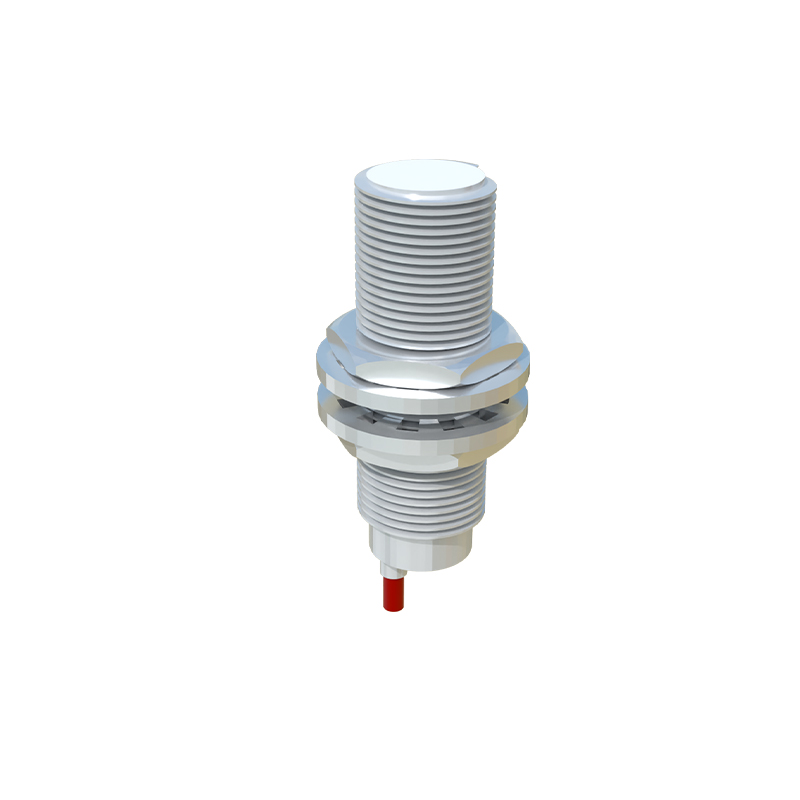
Impact on Sensing Technology and Electronics
The core sensing technology itself is not immune to cold. For inductive sensors, the properties of the ferrite core can change, affecting the oscillation circuit's stability and the nominal sensing distance (Sn). Capacitive sensors may see shifts in dielectric constants. The most vulnerable component is the integrated electronics. Standard semiconductors and printed circuit boards (PCBs) are designed for commercial or industrial temperature ranges. Prolonged exposure to extreme cold can cause solder joints to become fragile (tin whisker growth), capacitors to change value, and crystal oscillators to drift, leading to inaccurate timing and signal processing. Power-up in extreme cold can cause condensation inside the housing as the unit warms, leading to short circuits and corrosion.
Key Specifications for Cryogenic and Cold-Rated Sensors
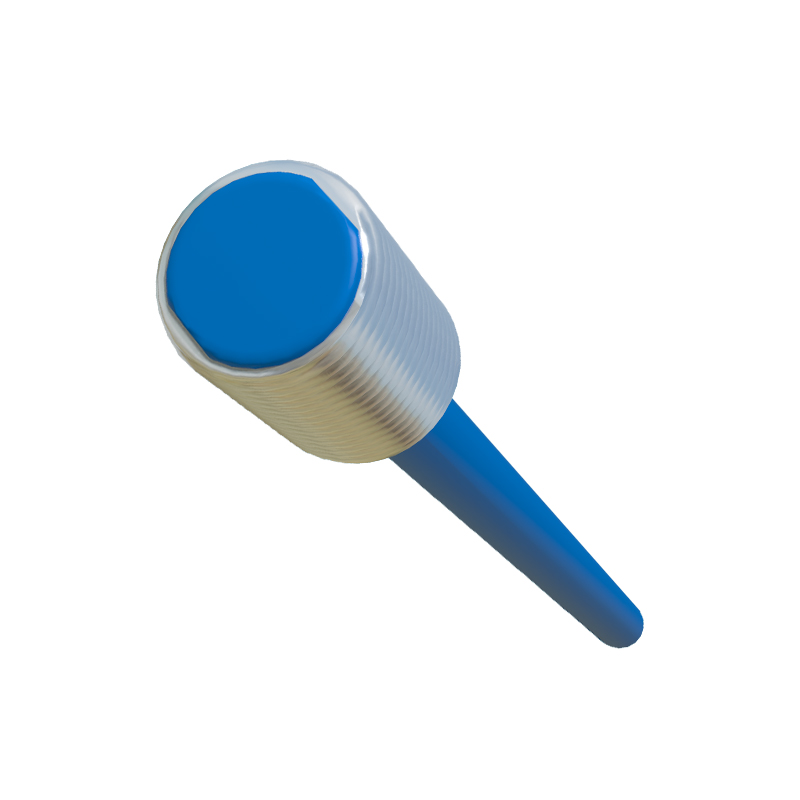
Selecting a sensor for low-temperature duty requires careful examination of datasheet specifications beyond the standard operating temperature. Look for an explicitly stated extended low-temperature range, such as -40°C or even -50°C. The housing material is paramount; sensors rated for cryogenic applications often use stainless steel (e.g., AISI 303, 304) or specialized, cold-resistant polymers like PPS (Polyphenylene Sulfide) or PEEK. Seals must be made from materials like fluorocarbon (FKM/Viton) or silicone rated for low temperatures. Internally, manufacturers use conformal coating on PCBs for moisture and condensation resistance and select components rated for the extended temperature range. The switching frequency and repeatability specifications should be guaranteed across the entire temperature span.
Application Considerations and Installation Best Practices
Even with a properly rated sensor, installation practices are critical for reliable operation in cold environments. Avoid mounting sensors in locations prone to direct wind chill or where they might be splashed by cold liquids, as this can cause rapid thermal cycling. Using thermal insulation or protective enclosures can help maintain a more stable microclimate around the sensor. Cable selection is equally important; standard PVC cable jackets become rigid and crack at low temperatures. Specify cables with PUR (Polyurethane) or TPE (Thermoplastic Elastomer) jackets that remain flexible. Ensure all connections are tight and protected from moisture, as ice formation can break connections or strain reliefs. Consider sensors with a "cold start" feature, ensuring they operate correctly immediately upon power application in extreme cold.
Testing and Validation for Reliable Performance
Reputable manufacturers subject their low-temperature proximity sensors to rigorous environmental testing. This goes beyond a simple functional check at a cold temperature. Tests include thermal shock cycling, where the sensor is rapidly moved between extreme high and low temperatures to test material integrity and solder joint reliability. Long-term soak tests at the minimum rated temperature verify that performance parameters like sensing distance and leakage current remain within specification over time. Vibration testing at low temperatures ensures the assembly can withstand physical stresses while materials are brittle. When evaluating sensors, request test reports or certificates (like from an independent lab) confirming the claimed temperature ratings and performance under IEC 60068-2-1 (cold) and related standards.
Future Trends in Low-Temperature Sensor Design
The demand for reliable automation in cold logistics, polar research, and space applications is driving innovation. Future designs are incorporating solid-state sealing techniques, eliminating O-rings altogether. Advanced materials like liquid crystal polymer (LCP) for housings offer exceptional dimensional stability and strength across vast temperature ranges. On the electronics front, the use of wide-bandgap semiconductors (like GaN) and specialized low-temperature ASICs (Application-Specific Integrated Circuits) is beginning to appear, offering better power efficiency and stability in the cold. Furthermore, the integration of self-monitoring diagnostics, where the sensor can report its internal temperature or flag potential condensation risks, is becoming a valuable feature for predictive maintenance in harsh environments.
SEO描述