Introduction to Potting in Proximity Sensors
Potting is a critical encapsulation process in the manufacturing of proximity sensors, designed to protect sensitive internal electronics from environmental hazards. This procedure involves filling the sensor housing with a liquid compound that subsequently cures into a solid, resilient gel or solid material. The primary objectives are to provide robust mechanical support, exceptional electrical insulation, and a formidable barrier against moisture, dust, chemicals, and mechanical shock. For engineers, understanding the nuanced requirements of this process is not optional but fundamental to ensuring sensor reliability, longevity, and consistent performance in demanding industrial applications. The choice of potting material and the execution of the process directly impact key sensor parameters such as sensing distance, response time, and long-term stability.
Selection Criteria for Potting Compounds
The heart of a successful potting process lies in selecting the appropriate compound. Engineers must evaluate materials based on a comprehensive set of properties. Key considerations include the compound's viscosity, which affects flowability and the ability to penetrate intricate components without leaving voids. The cure time and method (e.g., thermal cure, room temperature cure, UV cure) must align with production cycle times. Crucially, the material's thermal conductivity is vital for heat dissipation from active components, while its coefficient of thermal expansion (CTE) should closely match that of the sensor's internal materials and housing to prevent stress-induced cracking during temperature cycles. Dielectric strength and insulation resistance are non-negotiable for maintaining electrical integrity. Finally, chemical resistance to oils, coolants, and solvents commonly found in industrial environments is a mandatory requirement.
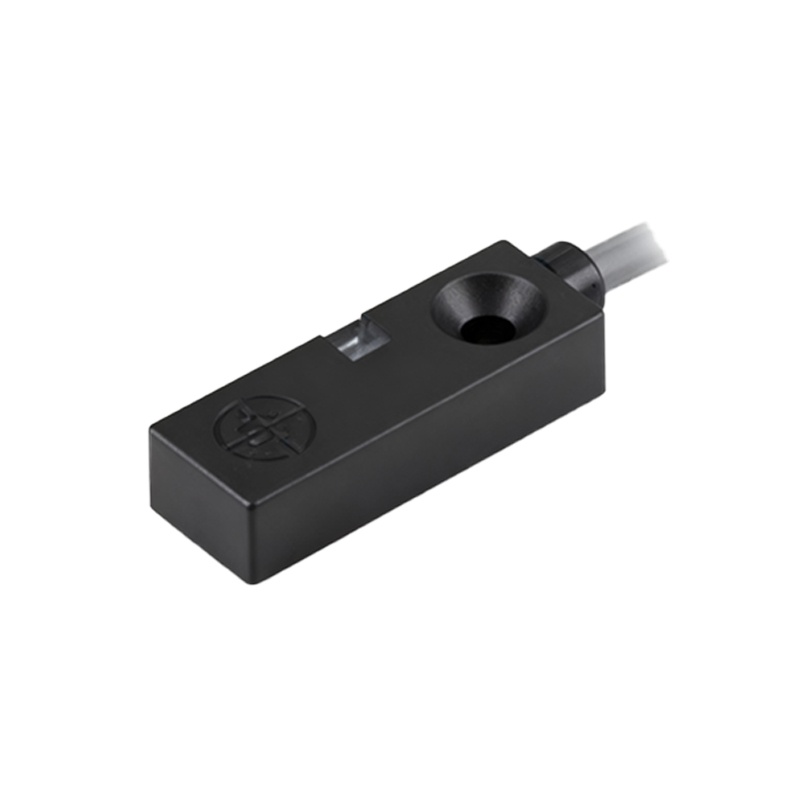
Pre-Potting Preparation and Design
Meticulous preparation is paramount before any potting compound is dispensed. The sensor's internal assembly must be thoroughly cleaned to remove any flux residues, dust, or contaminants that could impair adhesion or cause electrical leakage. Component placement and wire routing should be designed with potting in mind; sensitive areas or adjustment points may require masking or the use of temporary dams. The housing design itself must facilitate the potting process, featuring adequate fill ports and vent holes to allow air to escape, ensuring complete encapsulation without entrapped air bubbles. A well-designed mold or fixture is often necessary to hold the sensor assembly in the correct orientation during the filling and curing stages, guaranteeing consistent results across production batches.
The Potting Process: Techniques and Control
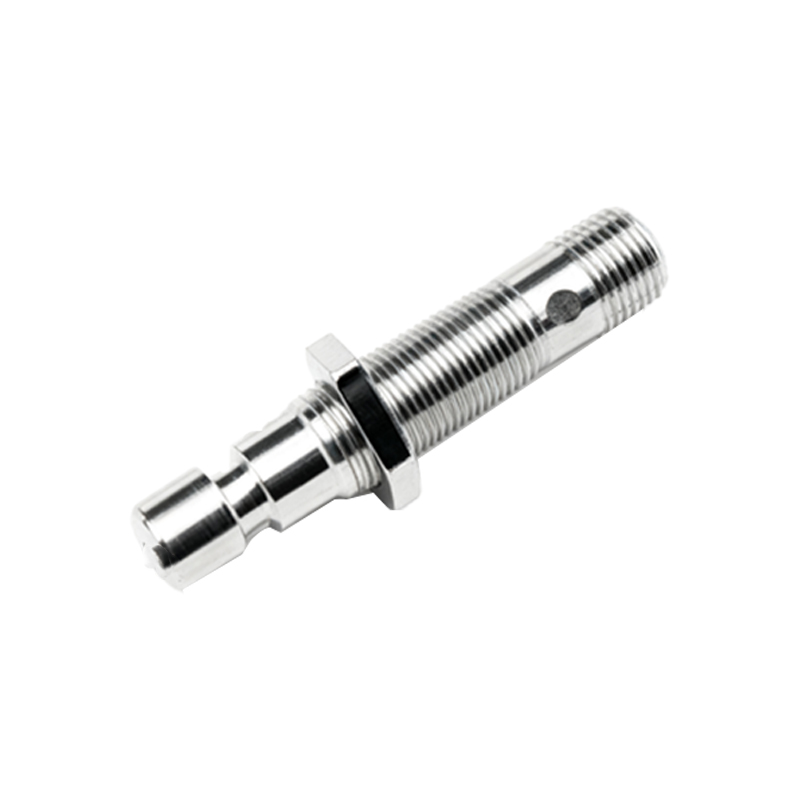
The actual dispensing of the potting compound requires precision and control. Common methods include manual mixing and pouring, pressure potting, and automated metering/mixing dispensing systems. For high-volume or critical applications, automated systems are preferred as they provide precise control over the mix ratio of multi-part compounds (like epoxies or polyurethanes) and the dispense volume, minimizing waste and ensuring consistency. The process must be conducted in a controlled environment to manage temperature and humidity, which can significantly affect pot life and cure characteristics. A slow, steady fill from the lowest point upward is the standard technique to minimize air entrapment. For sensitive components, a degassing step under vacuum may be employed prior to pouring to remove air bubbles from the mixed compound.
Curing and Post-Cure Considerations
Once the sensor housing is filled, the curing phase begins. Strict adherence to the compound manufacturer's specified curing profile—including time, temperature, and atmospheric conditions—is essential. Deviations can lead to incomplete curing, resulting in a tacky surface, reduced mechanical strength, or compromised chemical resistance. Some compounds require a post-cure cycle at elevated temperatures to achieve their ultimate physical properties. During and after curing, it is critical to avoid mechanical stress or vibration on the sensor until the compound has fully set. Engineers must also consider the potted assembly's behavior over its operational temperature range, ensuring the cured compound remains stable and does not exert undue stress on solder joints or delicate components.
Quality Assurance and Testing Protocols
Robust quality assurance measures are integral to the potting process. Non-destructive inspection techniques, such as visual examination for surface defects, bubbles, or incomplete fill, and X-ray imaging to detect internal voids, are commonly employed. Electrical testing is performed to verify insulation resistance and dielectric strength have not been compromised. Environmental stress testing, including thermal cycling, humidity exposure, and vibration testing, simulates real-world conditions to validate the potting's protective capabilities. Additionally, functional testing of the sensor's key parameters—switching frequency, nominal sensing distance, and repeatability—must be conducted post-potting to ensure no performance degradation has occurred due to the encapsulation material or process.
Common Challenges and Troubleshooting
Several challenges can arise during the potting process. Air entrapment or voids are frequent issues, often remedied by optimizing the fill technique, using low-viscosity compounds