Introduction to Linear Proximity Sensors
Linear proximity sensors are fundamental components in modern industrial automation, providing precise, non-contact measurement of an object's position or displacement along a single axis. Unlike simple on/off proximity switches, these sensors output a signal—typically analog voltage or current—that varies proportionally with the distance to the target. This continuous output enables sophisticated control and monitoring in applications demanding high accuracy, such as robotic positioning, press brake tool alignment, and vibration monitoring. Their ability to function without physical contact eliminates wear and tear, ensuring long-term reliability and minimal maintenance in harsh industrial environments filled with dust, oil, and coolant.
Core Operating Principles and Technologies
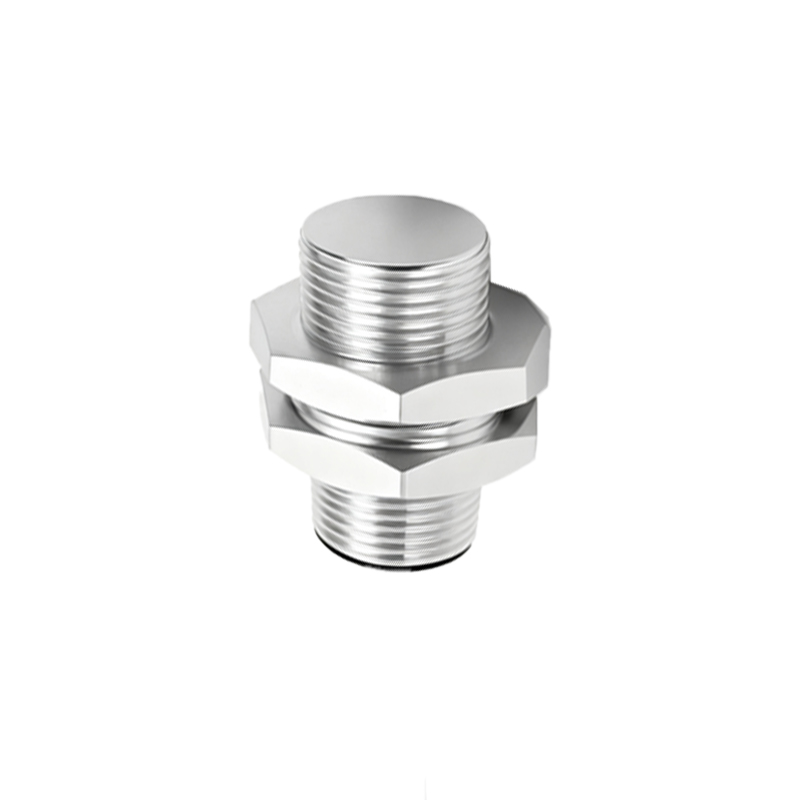
The functionality of linear proximity sensors is primarily based on two dominant technologies: inductive and capacitive sensing. Inductive linear sensors are the most common type, generating an electromagnetic field. When a metallic target enters this field, eddy currents are induced, causing a change in the oscillation amplitude within the sensor's coil. This change is linearly proportional to the distance and is converted into a standardized analog output, such as 0-10V or 4-20mA. They are ideal for detecting ferrous and non-ferrous metals. Capacitive linear sensors, on the other hand, detect both metallic and non-metallic materials like plastics, glass, or liquids by measuring changes in capacitance between the sensor's active face and the target. Each technology offers distinct advantages in terms of sensing range, material compatibility, and environmental robustness.
Key Performance Specifications and Characteristics
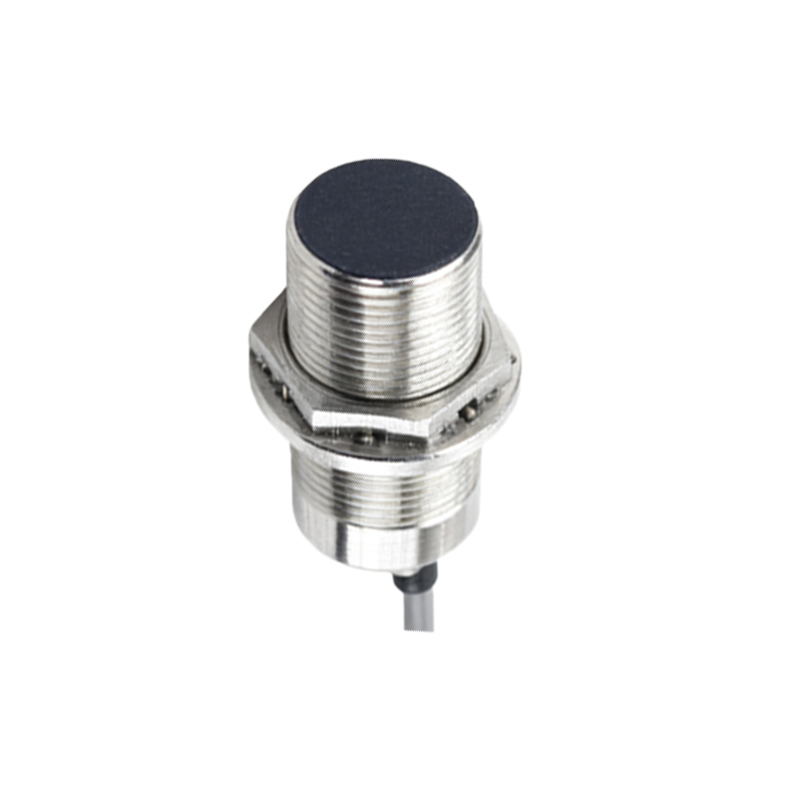
Selecting the appropriate linear proximity sensor requires careful analysis of its specifications. The measuring range defines the minimum and maximum distances over which the sensor provides a linear output. Linearity error, often expressed as a percentage of full scale, indicates the maximum deviation of the sensor's output from an ideal straight-line response. Repeatability is critical, referring to the sensor's ability to consistently return the same output when measuring the same distance under identical conditions. Other vital parameters include resolution (the smallest detectable change in distance), response time (how quickly the output reflects a change), temperature stability, and the type of electrical output. Housing materials, typically stainless steel or nickel-plated brass, provide protection against physical damage and ingress, with IP67 or IP69K ratings being common for washdown or outdoor use.
Industrial Applications and Use Cases
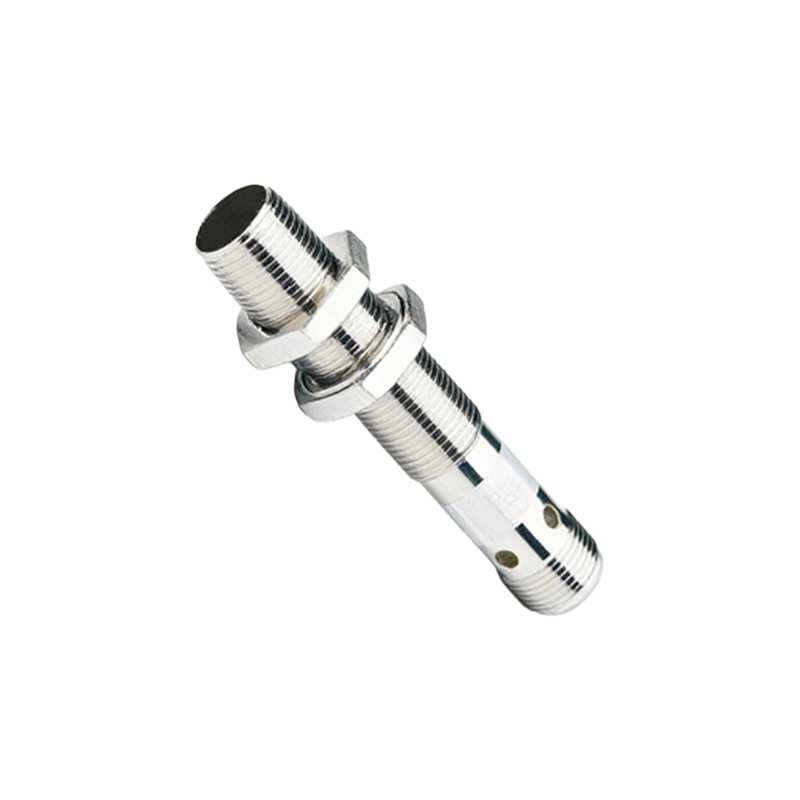
The versatility of linear proximity sensors makes them indispensable across numerous sectors. In automotive manufacturing, they precisely control robot arm movements for welding and assembly, and monitor valve lift in engine testing. The metalforming industry relies on them for real-time feedback on press brake ram position and tool alignment. In packaging machinery, they ensure consistent fill levels by detecting the position of pistons or product heights. They are also crucial in semiconductor fabrication for wafer handling stage positioning and in hydraulic systems for monitoring cylinder rod extension. Their non-contact nature is particularly valuable in applications involving high-speed rotation, fragile materials, or extreme temperatures where physical touch is impossible or detrimental.
Critical Selection and Installation Guidelines
Successful implementation hinges on proper selection and installation. First, define the application: target material, required measuring range, accuracy, and environmental factors like temperature, humidity, and potential contaminants. Choose the sensing technology accordingly—inductive for metals, capacitive for diverse materials. Ensure the sensor's housing size and mounting style (e.g., threaded barrel, rectangular) fit the mechanical design. During installation, maintain the recommended gap between the sensor face and the target's travel path. The target itself should be larger than the sensor's sensing face and made of the correct material with suitable thickness to avoid measurement errors. Proper electrical connection, shielding of cables in electrically noisy environments, and adherence to the manufacturer's guidelines for warm-up time and calibration are essential for optimal performance and signal integrity.
Advantages Over Alternative Measurement Systems
Linear proximity sensors offer several compelling advantages compared to other displacement measurement devices like Linear Variable Differential Transformers (LVDTs) or laser sensors. They provide a robust, all-in-one package with no moving parts, leading to exceptional durability and resistance to shock and vibration. Their solid-state design allows for very high response speeds, suitable for dynamic measurements. They are generally more cost-effective for standard industrial ranges and require simpler interfacing with Programmable Logic Controllers (PLCs). While LVDTs may offer higher accuracy in some precision lab settings, and laser sensors provide longer ranges, linear proximity sensors deliver an optimal balance of reliability, speed, simplicity, and cost for the majority of factory automation tasks, making them the workhorse of non-contact position sensing.