Introduction to Proximity Sensor Brands
In the industrial automation and electrical engineering sectors, proximity sensors are indispensable components for detecting the presence or absence of objects without physical contact. Various brands have developed distinct types of sensors, each tailored to specific applications, environments, and performance requirements. Leading brands such as Siemens, Omron, Schneider Electric, Rockwell Automation, and SICK have established themselves as key players, offering a wide range of proximity sensors that cater to diverse industry needs. Understanding the types available from these brands helps engineers make informed decisions for optimal system integration and reliability.
Inductive Proximity Sensors
Inductive proximity sensors are among the most common types, primarily used for detecting metallic objects. Brands like Siemens and Omron excel in this category, offering sensors with high precision and durability. Siemens provides the SIMATIC series, which includes compact designs suitable for harsh industrial environments, while Omron's E2E series is renowned for its long sensing distances and resistance to electrical noise. These sensors operate by generating an electromagnetic field; when a metal object enters this field, it induces eddy currents, triggering the sensor output. They are ideal for applications in manufacturing, such as position sensing in conveyor systems or machine tool monitoring.
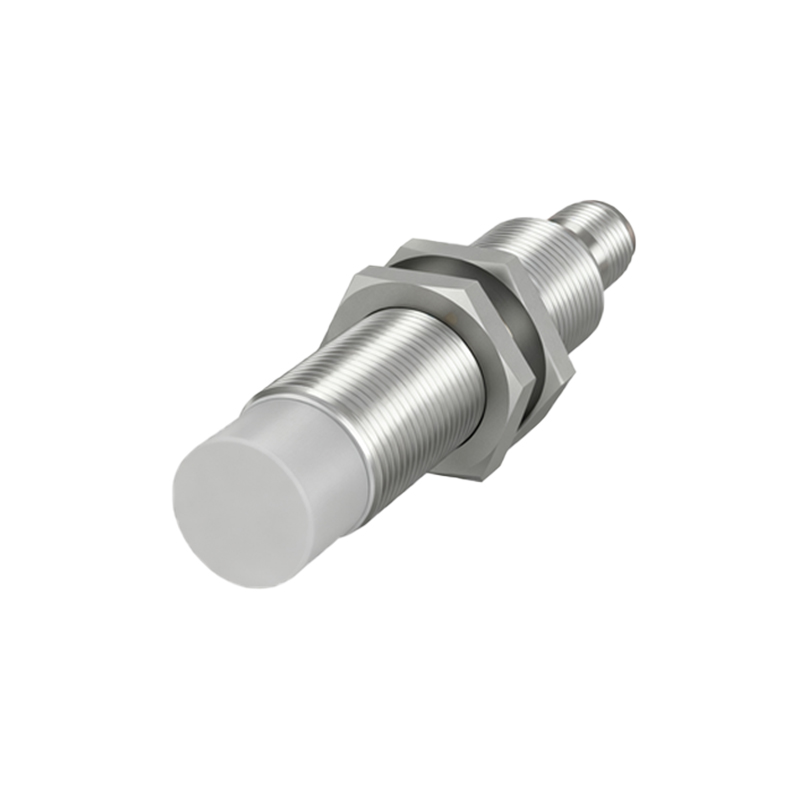
Capacitive Proximity Sensors
Capacitive proximity sensors can detect both metallic and non-metallic materials, including liquids, plastics, and glass. Brands like Schneider Electric and SICK offer advanced capacitive sensors with adjustable sensitivity. Schneider Electric's XS series, for instance, features robust housing for use in challenging conditions, while SICK's C series provides high immunity to environmental interference. These sensors work by measuring changes in capacitance when an object approaches the sensing area. They are commonly used in industries like food processing, where detecting packaging materials or liquid levels is crucial, or in woodworking for material handling.
Ultrasonic Proximity Sensors
Ultrasonic proximity sensors utilize sound waves to detect objects, making them versatile for various materials and distances. Rockwell Automation and SICK are prominent brands in this segment. Rockwell's Allen-Bradley 871TM series offers reliable performance in dusty or humid environments, while SICK's UM30 series provides precise measurement capabilities. These sensors emit ultrasonic pulses and measure the time taken for echoes to return, allowing for distance calculation. Applications include level monitoring in tanks, object detection in automated guided vehicles (AGVs), and collision avoidance in robotics.
Magnetic Proximity Sensors
Magnetic proximity sensors detect magnetic fields, typically from permanent magnets, and are often used in safety-critical applications. Brands like Omron and Siemens provide durable options with high switching frequencies. Omron's D4N series is designed for harsh conditions, featuring sealed construction, while Siemens' 3RG series offers compact sizes for space-constrained installations. These sensors are based on reed switches or Hall effect technology, responding to the presence of magnets. They are widely employed in automotive systems, such as detecting door positions, or in industrial machinery for limit switching.
Photoelectric Proximity Sensors
Photoelectric proximity sensors use light beams to detect objects, offering long sensing ranges and fast response times. Brands like SICK and Omron lead in this category with innovative designs. SICK's WTT series includes through-beam, retro-reflective, and diffuse models for flexible application, while Omron's E3Z series provides energy-efficient options with easy alignment. These sensors operate by emitting infrared or visible light and detecting reflections or interruptions. They are essential in packaging lines, material handling systems, and electronic assembly for precise object detection and counting.
Key Considerations for Brand Selection
When choosing proximity sensors from different brands, engineers must evaluate factors such as sensing range, environmental resistance, output type (e.g., NPN or PNP), and compatibility with control systems. Brands like Rockwell Automation emphasize integration with PLC networks, while Schneider Electric focuses on energy efficiency. Additionally, cost, availability, and support services play vital roles in decision-making. It's recommended to consult technical datasheets and conduct tests under real-world conditions to ensure optimal performance and longevity.
Future Trends in Proximity Sensor Technology
The evolution of proximity sensors continues with advancements in IoT connectivity, miniaturization, and smart sensing capabilities. Brands are incorporating features like IO-Link communication for real-time data exchange and predictive maintenance. For example, Siemens' SIMATIC sensors now support digital interfaces for enhanced diagnostics, while SICK's sensors integrate with cloud platforms for remote monitoring. As industries move toward Industry 4.0, proximity sensors from leading brands will become more intelligent, offering improved