Introduction to Proximity Sensor Production
The manufacturing of proximity switch sensors represents a pinnacle of precision engineering within the industrial automation sector. These non-contact devices, essential for position detection, object counting, and speed monitoring, are produced in highly controlled environments. A modern proximity sensor workshop is not merely an assembly line; it is a symphony of advanced machinery, rigorous testing protocols, and stringent quality control measures. The process begins with the meticulous design and prototyping phase, where electromagnetic field simulations and material compatibility studies are conducted to ensure the sensor's reliability and performance specifications are met before any physical component is fabricated.
Core Component Fabrication and Assembly
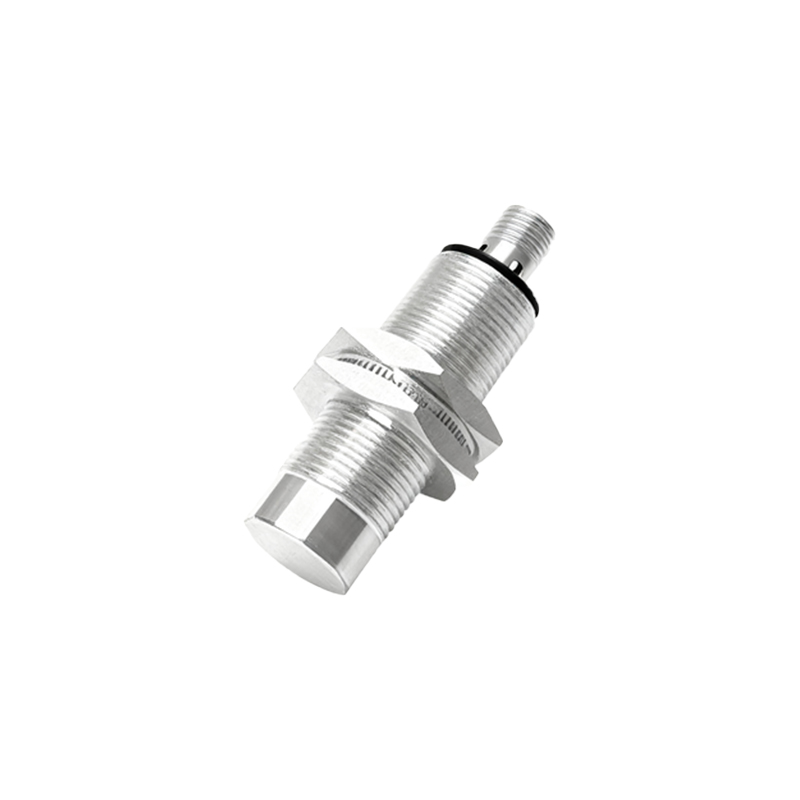
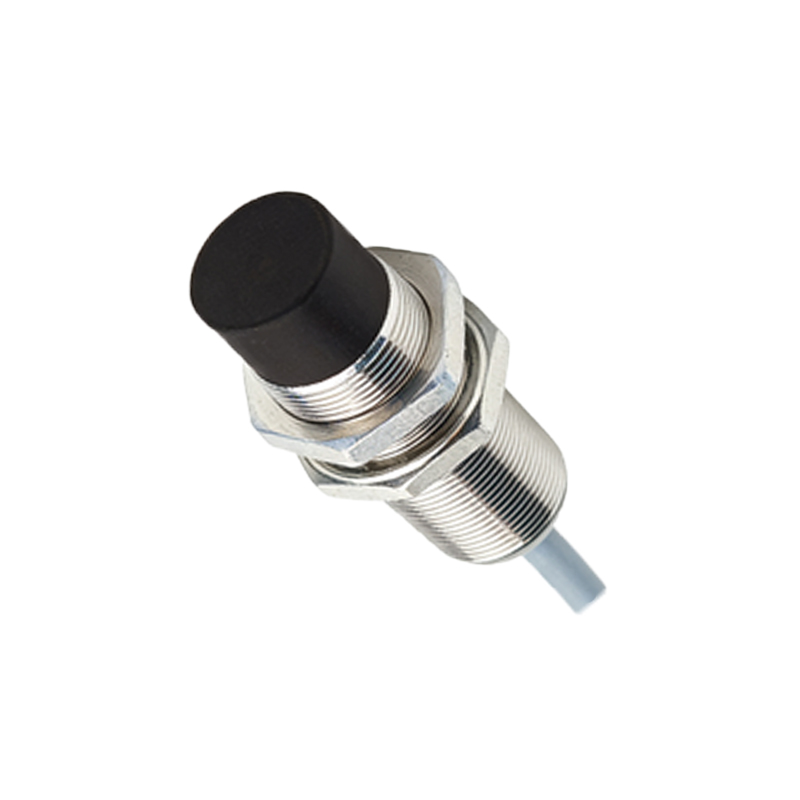
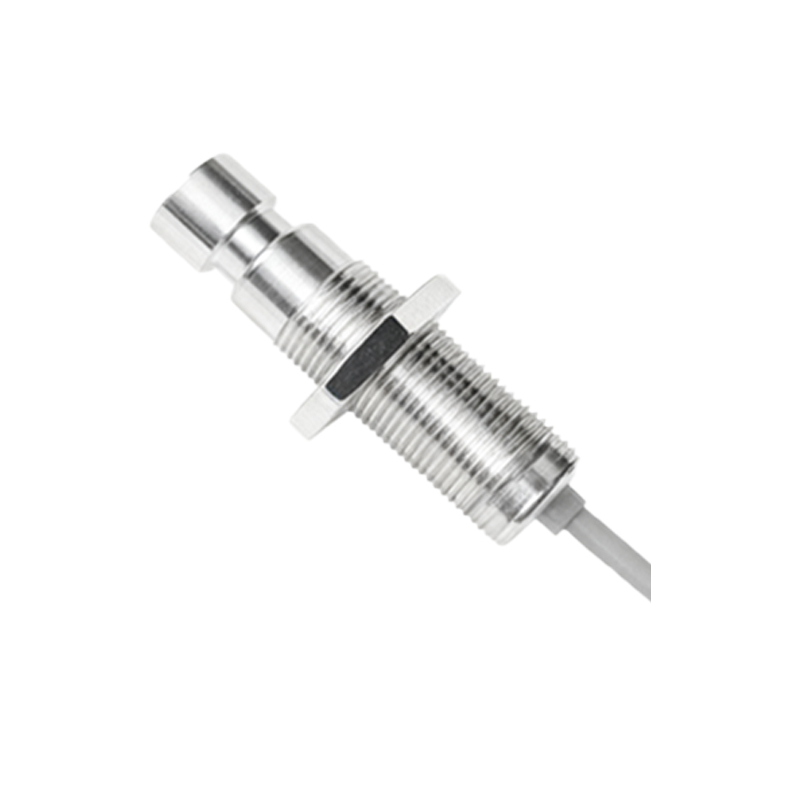
At the heart of the workshop lies the component fabrication area. Here, the oscillator coil, a critical element that generates the high-frequency electromagnetic field, is wound with extreme precision using automated winding machines. The ferrite core is sintered and machined to exact tolerances. Simultaneously, the application-specific integrated circuit (ASIC), which contains the oscillator, demodulator, and output switching circuitry, is mounted onto printed circuit boards (PCBs) via surface-mount technology (SMT) lines. These SMT lines operate in clean-room-like conditions to prevent contamination from dust, which could impair electrical performance. The housing, typically crafted from nickel-plated brass, stainless steel, or PBT plastic, is machined or molded to provide robust environmental protection (IP67/IP69K ratings are common). The assembly process is a blend of automated robotic placement and skilled manual intervention for final adjustments and potting, where the internal cavity is filled with epoxy resin to secure components against vibration and moisture.
Calibration and Functional Testing Procedures
Following assembly, each sensor enters the calibration and testing phase, arguably the most critical stage. Sensors are mounted on automated test fixtures that simulate real-world operating conditions. Key parameters such as the nominal sensing distance (Sn), hysteresis, operating voltage range, and switching frequency are meticulously measured and adjusted. The test equipment applies varying temperatures, voltages, and load conditions to ensure consistent performance across the specified operational envelope. For inductive sensors, test targets of different materials (steel, aluminum, copper) are used to verify sensing characteristics. This 100% testing regime ensures that every unit leaving the workshop meets the datasheet specifications without exception, guaranteeing reliability in end-user applications ranging from automotive manufacturing to food processing.
Quality Assurance and Environmental Stress Screening
Quality assurance is embedded in every step. Statistical process control (SPC) charts monitor production metrics in real-time, identifying any drift in process parameters. A sample from each production batch undergoes accelerated life testing and environmental stress screening (ESS). This involves subjecting sensors to thermal cycling, extended high-temperature operation, mechanical shock, and vibration tests that far exceed normal operational demands. These rigorous screens are designed to precipitate latent failures, ensuring only the most durable products are shipped. Furthermore, the workshop maintains traceability for every component, allowing any unit to be tracked back to its specific production batch, raw material lot, and even the calibration equipment used.
Packaging, Logistics, and Industry 4.0 Integration
The final stage involves precision packaging designed to protect the sensitive electronics during transit. Labels containing crucial data—part number, serial number, date code, and electrical specifications—are applied. Modern workshops are increasingly integrated into Industry 4.0 frameworks. Data from machines, test stations, and even tools are collected via IoT sensors and analyzed using cloud platforms. This enables predictive maintenance on production equipment, optimization of supply chains, and provides valuable analytics for continuous process improvement. The entire workflow, from order entry to shipping, is managed by a Manufacturing Execution System (MES), ensuring efficiency and transparency.
Conclusion: The Engine of Automation
In conclusion, a proximity switch sensor manufacturing workshop is a testament to modern industrial discipline. It transforms raw materials into highly reliable, intelligent components that form the sensory nervous system of automated machinery. The relentless focus on precision, testing, and data-driven quality control within these facilities is what enables the robustness and efficiency expected in today's advanced manufacturing and processing industries. The continuous evolution of these workshops, driven by advancements in materials science, miniaturization, and digitalization, promises even greater capabilities for the sensors of tomorrow.