Introduction to Proximity Sensing in Smartphones
The proximity sensor is a small yet crucial component embedded in modern smartphones, typically located near the earpiece at the top of the display. Its primary function is to detect the presence of nearby objects without any physical contact. This capability is fundamental to enhancing user experience and device efficiency. When you answer a phone call and place the device against your ear, the screen automatically turns off. This action prevents accidental touch inputs from your cheek or ear, conserves battery power, and reduces unnecessary display illumination. Beyond call management, proximity sensors are also integral to features like automatic screen wake-up when removing the phone from a pocket or pouch, and they play a role in optimizing power consumption in various scenarios.
The Core Technology: Infrared-Based Detection
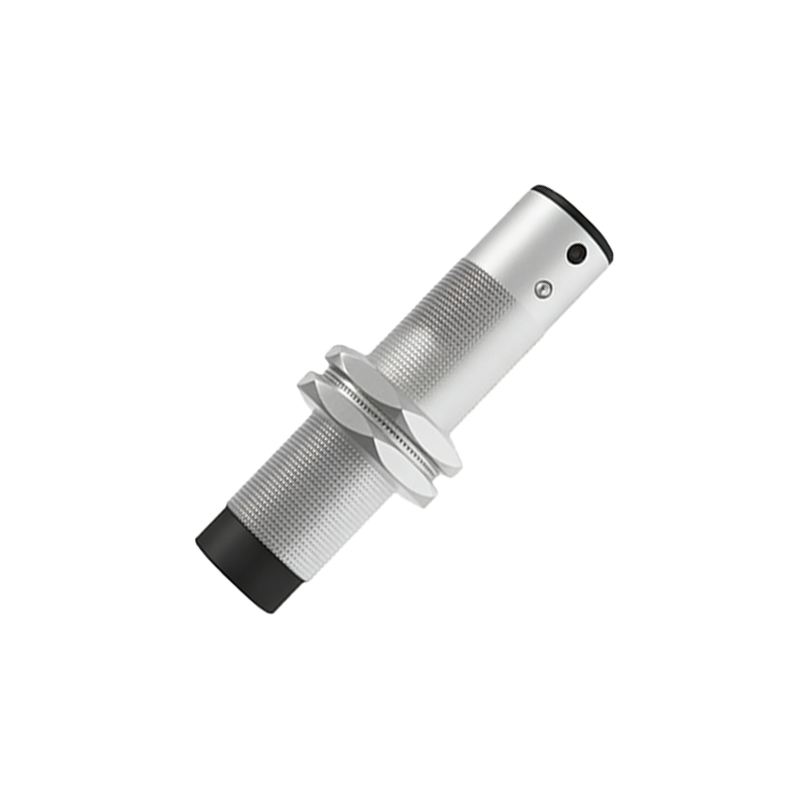
The vast majority of smartphone proximity sensors operate on the principle of infrared (IR) light detection. This technology is favored for its reliability, low cost, and effectiveness over short distances. The sensor system consists of two key elements: an infrared light-emitting diode (IR LED) and an infrared light detector, typically a photodiode or a phototransistor. The IR LED emits a beam of infrared light, which is invisible to the human eye. When an object, such as your head or hand, comes close to the phone's surface, this infrared light reflects off the object. The nearby IR detector then captures this reflected light. The sensor's microcontroller continuously measures the intensity of the reflected IR signal. A significant increase in this intensity indicates the presence of a nearby object.
Signal Processing and Distance Determination
The raw signal from the IR detector requires sophisticated processing to be meaningful. The sensor's integrated circuit or the device's main processor analyzes the amplitude of the reflected infrared light. It does not typically provide a precise distance measurement in millimeters but rather a binary or graded "near" or "far" state. A threshold value is calibrated during manufacturing. When the reflected signal strength exceeds this threshold, the sensor logic registers an "object near" event. This triggers the operating system to execute predefined actions, such as disabling the touchscreen and turning off the display. The sensor is designed to ignore ambient infrared light from sources like sunlight or room lighting through modulation techniques and optical filters, ensuring accurate detection.
Overcoming Challenges: Environmental Factors
Designing a robust proximity sensor involves overcoming several environmental challenges. Different materials and surfaces reflect infrared light with varying efficiency. For instance, skin and hair reflect IR light well, while dark or absorbent materials may not. Modern sensors are calibrated to handle a wide range of reflectivities. Furthermore, external IR noise, particularly from sunlight which contains a strong IR component, can interfere with detection. Advanced sensors employ pulsed IR emission and synchronous detection. The IR LED emits short, coded pulses of light, and the detector is synchronized to look for this specific pulse pattern, effectively filtering out constant or non-matching IR sources from the environment.
Integration with Other Sensors and System Functions
The proximity sensor rarely operates in isolation. It is part of a broader sensor hub that may include an ambient light sensor, accelerometer, and gyroscope. Data fusion from these sensors allows for more intelligent context-aware responses. For example, the ambient light sensor can tell the system if the phone is in a dark pocket, while the accelerometer confirms it is in a vertical orientation. Combined with the proximity sensor's "near" signal, the system can confidently decide to keep the screen off. This integration is vital for features like "Prevent Pocket Dialing" and for enabling or disabling certain gestures based on whether the phone is being held close to the user's face.
Evolution and Future Applications
While the basic IR principle remains dominant, the technology continues to evolve. Some high-end devices now integrate time-of-flight (ToF) sensors, which can measure distance more accurately by calculating the time it takes for a light pulse to return. This can enable more nuanced interactions. Looking forward, proximity sensing is expanding beyond the traditional earpiece location. Under-display proximity sensors are an area of active development, aiming to eliminate the need for notches or punch-hole cutouts by placing the sensor beneath the OLED screen. This advancement promises truly bezel-less designs while maintaining the essential functionality of preventing accidental touches and saving power during calls.