Introduction to Proximity Switch Sensors
Proximity switch sensors are essential components in modern industrial automation, offering non-contact detection of metallic or non-metallic objects. These sensors operate by emitting an electromagnetic field or a beam of electromagnetic radiation, detecting changes when a target enters their sensing range. Widely used in manufacturing, robotics, and safety systems, they provide reliable, maintenance-free operation in harsh environments. Their ability to function without physical contact minimizes wear and tear, ensuring longevity and consistent performance. Understanding their working principles, including inductive, capacitive, and photoelectric types, is crucial for effective integration into electrical systems.
Importance of Harnessing in Sensor Systems
A well-designed harness is critical for the optimal performance of proximity switch sensors. The harness, comprising cables, connectors, and protective sleeves, ensures secure electrical connections, reduces signal interference, and enhances durability. In industrial settings, harnesses protect sensor wiring from environmental hazards such as moisture, chemicals, and mechanical stress. Proper harnessing also simplifies installation and maintenance, allowing for organized cable management and reducing downtime. Engineers must consider factors like wire gauge, shielding, and connector types to match the sensor's specifications and operational demands.
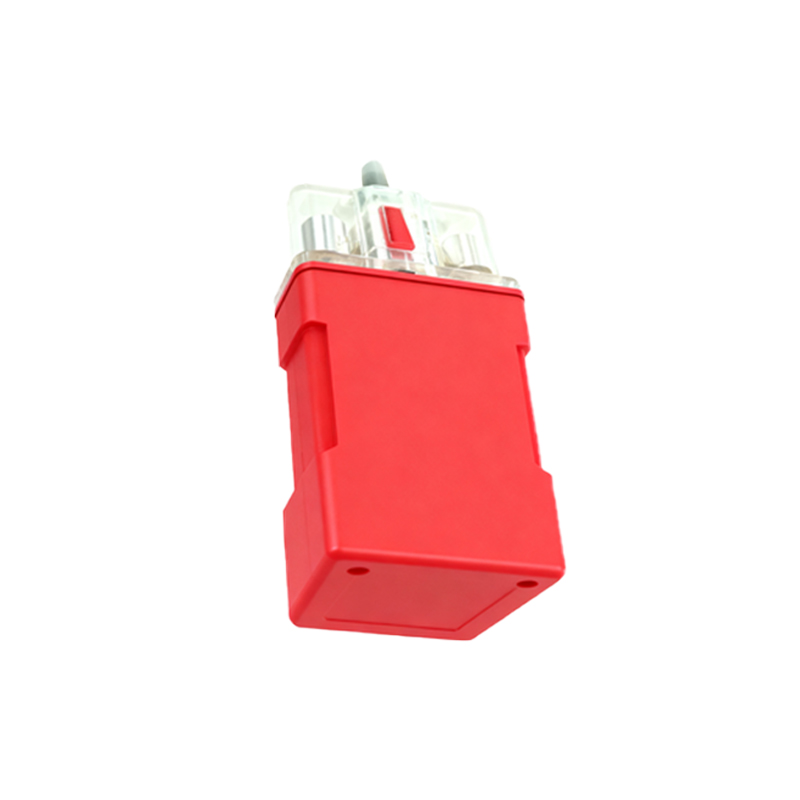
Types of Proximity Sensors and Their Harness Requirements
Inductive proximity sensors, designed for metal detection, typically require shielded cables to prevent electromagnetic interference. Their harnesses often include PVC or PUR jackets for resistance to oils and abrasion. Capacitive sensors, used for non-metallic materials, may need specialized shielding to avoid false triggers from environmental changes. Photoelectric sensors, relying on light beams, demand high-quality fiber-optic or coaxial cables in their harnesses to maintain signal integrity. Each type has unique voltage and current ratings, influencing harness design—for instance, 2-wire, 3-wire, or 4-wire configurations must be matched with appropriate connectors and grounding techniques.
Design Considerations for Sensor Harnesses
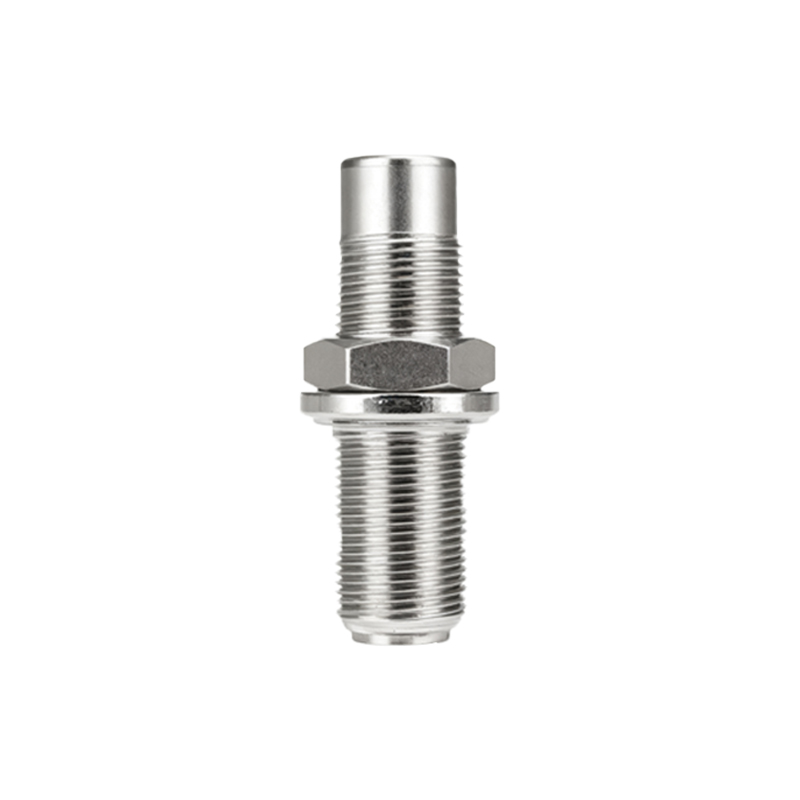
When designing harnesses for proximity switch sensors, engineers should prioritize electrical safety and signal reliability. Key considerations include selecting materials with high temperature and chemical resistance, such as thermoplastic elastomers for extreme conditions. Wire routing must avoid sharp bends or tension points to prevent breakage. Additionally, incorporating strain relief and waterproof connectors can extend the harness lifespan. Compliance with industry standards like IP67 or IP68 ratings ensures protection against dust and immersion. Testing harnesses for continuity, insulation resistance, and electromagnetic compatibility is vital before deployment.
Installation and Maintenance Best Practices
Proper installation begins with reading the sensor and harness datasheets to verify compatibility. Mount the sensor securely, ensuring the target is within its sensing range without obstructions. For the harness, route cables away from high-voltage lines or motors to minimize noise interference. Use cable ties or conduits for organization, and label connections for easy troubleshooting. Regular maintenance involves inspecting harnesses for wear, corrosion, or loose connections, and cleaning sensors to prevent false readings. Implementing preventive schedules reduces failure risks and maintains system efficiency.
Common Challenges and Solutions
Engineers often face issues like signal degradation, environmental damage, or incorrect sensor triggering. To mitigate signal loss, use shielded and twisted-pair cables in harnesses, and ensure proper grounding. For harsh environments, opt for harnesses with robust jackets and sealed connectors. If sensors malfunction, check harness continuity and connector integrity—sometimes, a simple re-termination resolves problems. Advanced solutions include using ferrite cores to suppress electromagnetic interference or integrating surge protectors in harnesses for voltage spikes. Documenting harness layouts aids in quick diagnostics.
Future Trends in Sensor and Harness Technology
The evolution of proximity switch sensors and harnesses is driven by Industry 4.0 and IoT integration. Smart sensors with embedded diagnostics are becoming prevalent, requiring harnesses that support data communication protocols like IO-Link or Ethernet/IP. Miniaturization trends demand smaller, flexible harnesses with high-density connectors. Sustainable materials, such as recyclable polymers, are gaining traction for eco-friendly harness production. Predictive maintenance, enabled by sensors with self-monitoring capabilities, will rely on robust harness systems to transmit real-time data, enhancing overall system reliability and efficiency.