Introduction to Proximity Sensors
A proximity sensor is a non-contact electronic device designed to detect the presence or absence of an object within its sensing range without any physical contact. These sensors operate by emitting an electromagnetic field, light beam, or acoustic wave and then detecting changes in the return signal or field. The core principle hinges on the interaction between the sensor's emitted energy and the target object. Common technologies include inductive sensors for detecting metallic objects, capacitive sensors for both metallic and non-metallic materials, photoelectric sensors using light beams, and ultrasonic sensors employing sound waves. Their ability to function without touching the object makes them indispensable in environments where contamination, wear, or precise positioning is a critical concern. This foundational technology forms the backbone of countless automation and safety systems across diverse sectors.
Core Functions and Operational Principles
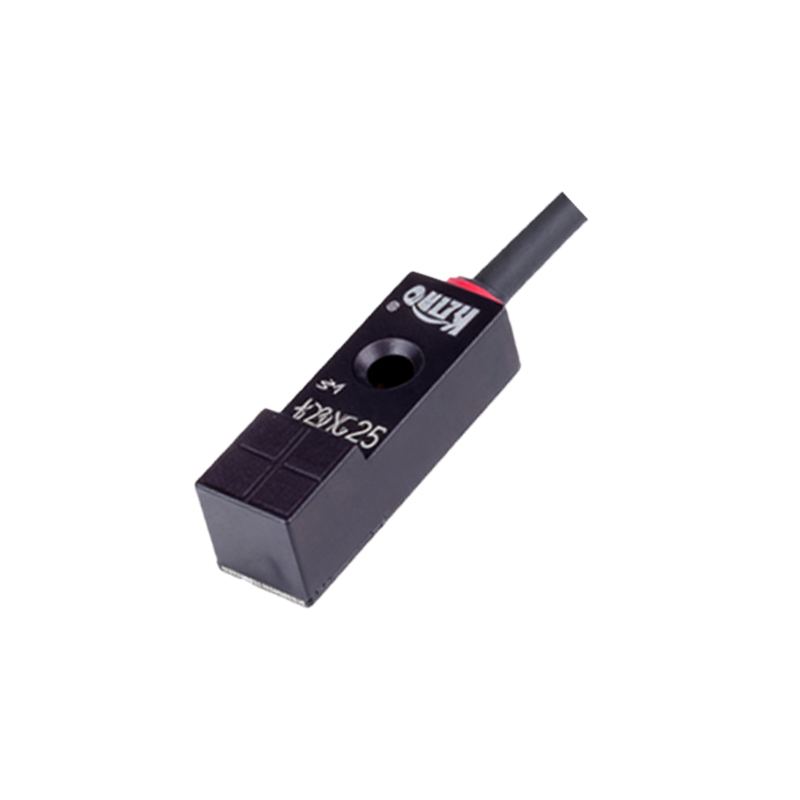
The primary function of a proximity sensor is to provide a reliable switching signal based on the detection of an object. Inductive sensors, for instance, generate an oscillating electromagnetic field from a coil. When a metallic object enters this field, it induces eddy currents, which dampen the oscillation, triggering the sensor's output circuit to switch states. Capacitive sensors work similarly but detect changes in capacitance caused by any material that alters the electrostatic field between the sensor's electrodes. Photoelectric sensors consist of an emitter and a receiver; detection occurs when the target interrupts (in a through-beam setup) or reflects (in a retro-reflective or diffuse setup) the light beam. Ultrasonic sensors measure the time-of-flight of high-frequency sound waves to determine distance. Each technology is selected based on factors like target material, required sensing distance, environmental conditions (dust, moisture), and required response speed.
Key Applications in Industrial Automation
In industrial automation, proximity sensors are ubiquitous, serving as the "eyes" of machinery. They are crucial for position sensing, such as verifying if a robotic arm has reached its endpoint or if a workpiece is correctly placed on a conveyor belt. They facilitate object counting on high-speed production lines, ensuring accurate inventory and packaging. In machine tools, they are used for tool wear detection and part positioning, preventing costly machining errors. On assembly lines, sensors detect the presence of components for sequential operations, enabling synchronized and efficient manufacturing processes. Their robustness and reliability in harsh industrial environments—resistant to oil, coolant, and vibration—make them preferred over mechanical limit switches, reducing maintenance and downtime.
Enhancing Safety Systems
Beyond automation, proximity sensors play a vital role in personnel and equipment safety. They are integral components of safety light curtains and laser scanners that create invisible protective fields around hazardous machinery. If a person or object breaches this field, the sensor sends an immediate signal to halt the machine, preventing accidents. They are also used in elevator door systems to detect obstructions, ensuring doors reopen safely. In automated guided vehicles (AGVs) and collaborative robot (cobot) workspaces, these sensors help implement speed and separation monitoring, allowing safe human-robot interaction by slowing or stopping the robot when a human approaches too closely. This application is paramount in modern smart factories aiming for higher productivity without compromising worker safety.
Integration in Consumer and Automotive Electronics
The application of proximity sensing extends far beyond the factory floor. In consumer electronics, a common example is the smartphone screen that turns off during a phone call when the device is held near the ear, conserving battery and preventing accidental screen touches. This is typically achieved with a miniature infrared proximity sensor. In the automotive industry, sensors are used for parking assistance systems, detecting obstacles near the vehicle's bumper. They are also employed in cabin features like automatic trunk opening (kick sensors) and touchless control panels, enhancing user convenience. Advanced driver-assistance systems (ADAS) may use arrays of ultrasonic or radar-based proximity sensors for blind-spot detection and collision avoidance, contributing to vehicle safety.
Selection Criteria and Installation Considerations
Selecting the appropriate proximity sensor requires careful analysis of the application. Engineers must consider the sensing distance, which should have a sufficient margin to account for mechanical tolerances. The target material dictates the sensor type: inductive for metals, capacitive for varied materials. The sensor's housing material (e.g., stainless steel, PBT plastic) must withstand the environmental conditions, including temperature extremes, chemicals, and physical impacts. Output type is another key decision; options include NPN/PNP transistor outputs for programmable logic controllers (PLCs) or analog outputs for distance measurement. Proper installation is equally critical; sensors must be mounted securely, with attention to avoiding mutual interference between multiple sensors and ensuring the target approaches the sensor's active face correctly for reliable operation.
Future Trends and Advancements
The evolution of proximity sensors is