Introduction to the E2B-M30KS10 Proximity Sensor
The E2B-M30KS10 is a robust and reliable inductive proximity sensor designed for demanding industrial environments. As a key component in the Omron E2B series, this cylindrical M30-sized sensor offers exceptional performance in metal detection applications. Its primary function is to detect the presence or absence of metallic objects without physical contact, utilizing an electromagnetic field. The "K" in its model designation signifies a 10mm sensing distance, while "S10" indicates a built-in amplifier with a PNP normally open (NO) output configuration. This sensor is engineered for longevity and precision, making it a staple in automation, material handling, and machinery safety systems worldwide. Its rugged construction ensures stable operation even in the presence of oil, coolant, and other common industrial contaminants.
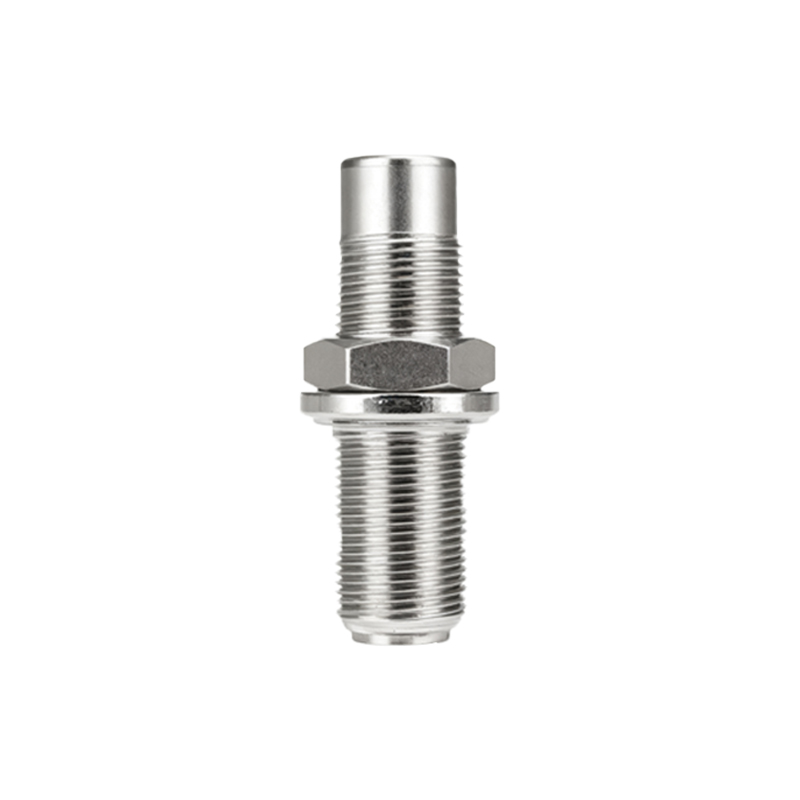
Technical Specifications and Key Features
Delving into the technical details, the E2B-M30KS10 operates on a 12-24V DC supply voltage, which is standard for most industrial control circuits. The sensing object is defined as a standard iron square of 1mm thickness. It boasts a high switching frequency, allowing for rapid detection in high-speed production lines. The housing is made of nickel-plated brass, providing excellent corrosion resistance. A critical feature is its short-circuit protection, which safeguards both the sensor and the connected controller from potential damage. The sensor also exhibits minimal hysteresis, ensuring accurate and repeatable detection points. Its IP67 rating guarantees protection against dust ingress and temporary immersion in water, making it suitable for washdown areas in food processing or other wet environments.
Wiring and Installation Best Practices
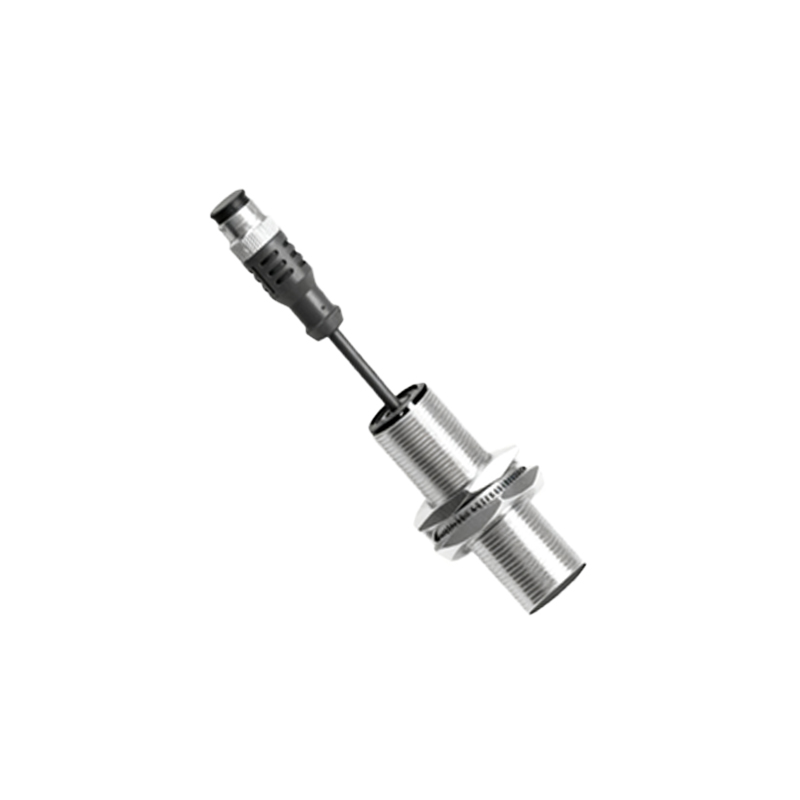
Correct installation is paramount for optimal sensor performance. The E2B-M30KS10 typically features a pre-wired cable or a connector version for easy integration. The standard wiring involves three leads: brown for positive voltage (V+), blue for negative voltage (0V), and black for the load output signal. It is crucial to ensure proper grounding and shielding in electrically noisy environments to prevent false triggering. During mounting, attention must be paid to the recommended flush or non-flush mounting conditions. Non-flush mountable sensors, like this model, can detect metals from all directions but require specific clearance from surrounding metal structures to avoid degradation of the sensing distance. Always follow the manufacturer's guidelines for tightening torque to prevent damage to the housing.
Application Scenarios in Modern Industry
The versatility of the E2B-M30KS10 finds use in a myriad of applications. In automotive assembly lines, it is frequently employed for part presence verification, such as confirming a cylinder head is in place before a machining operation. In packaging machinery, it detects metal components on conveyor belts to control sorting gates or count products. A critical safety application is in robotic work cells, where these sensors act as part of an interlock system to confirm guard doors are closed before initiating a cycle. Furthermore, in metal stamping and fabrication, they are used for end-of-stroke detection on cylinders or to verify the correct positioning of metal sheets before a punch press cycle begins.
Troubleshooting Common Operational Issues
Even with a reliable sensor like the E2B-M30KS10, issues may arise. Common problems include failure to detect, intermittent operation, or constant output. The first step is always to verify power supply voltage and polarity. Next, check if the sensing object is within the specified 10mm range and is of sufficient size and material. Electrical noise can be a culprit; relocating cables away from power lines or using ferrite cores may be necessary. Physical damage to the sensing face or cable should be inspected. If the output LED indicator behaves erratically, it might indicate internal failure. Utilizing a multimeter to check the output transistor's switching is a standard diagnostic procedure before considering sensor replacement.
Comparative Advantages and Selection Criteria
When selecting a proximity sensor, the E2B-M30KS10 offers distinct advantages over alternatives. Compared to capacitive or ultrasonic sensors, it provides unwavering reliability specifically for ferrous metals. Its M30 size offers a good balance between sensing distance and physical robustness, unlike smaller M12 or M18 sensors. The PNP (sourcing) output is often preferred in PLC-based systems common in Europe and Asia. Key selection criteria beyond size include required sensing distance, output type (PNP/NPN, NO/NC), supply voltage, environmental rating, and connection method. For applications involving non-ferrous metals, a different model with factor-1 correction would be required, highlighting the importance of matching the sensor to the target material.
Maintenance and Long-Term Reliability
Pro