Introduction to Proximity Sensor Stations
A proximity sensor station is a critical component in modern industrial automation systems, designed to detect the presence or absence of objects without physical contact. These stations integrate various types of proximity sensors, such as inductive, capacitive, and ultrasonic sensors, into a centralized unit that communicates with control systems like PLCs (Programmable Logic Controllers). By providing non-contact detection, proximity sensor stations enhance operational efficiency, reduce mechanical wear, and improve safety in manufacturing environments. They are widely used in applications ranging from assembly lines and packaging machinery to robotic systems and material handling. The station typically includes sensor arrays, signal processing modules, and connectivity interfaces, allowing for real-time monitoring and control. As industries embrace Industry 4.0, the role of proximity sensor stations has expanded to include data analytics and predictive maintenance, making them indispensable for smart factories.
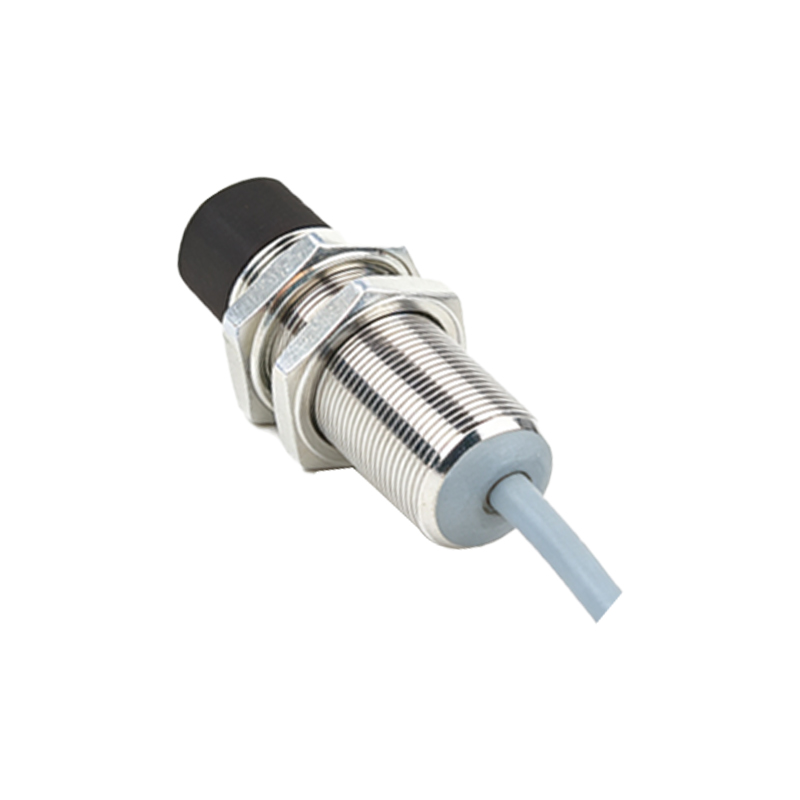
Types of Proximity Sensors in a Station
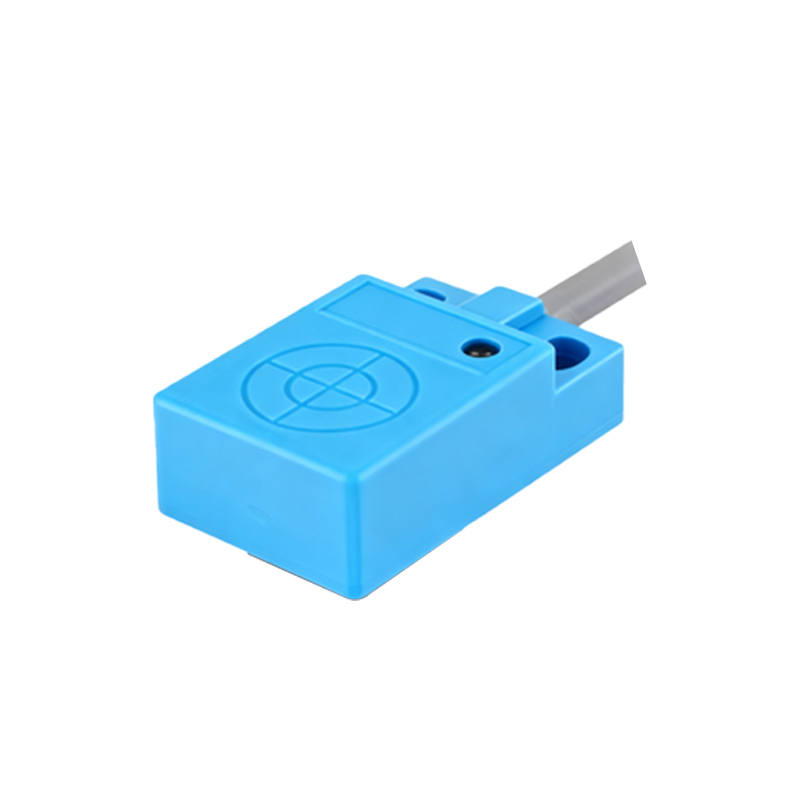
Proximity sensor stations utilize multiple sensor technologies to cater to diverse industrial needs. Inductive sensors are the most common, detecting metallic objects through electromagnetic fields, and are ideal for high-speed applications in harsh environments. Capacitive sensors can detect both metallic and non-metallic materials, such as plastics or liquids, by measuring changes in capacitance, making them suitable for level sensing or material identification. Ultrasonic sensors use sound waves to measure distance and detect objects, excelling in applications requiring long-range detection or varying surface conditions. Magnetic sensors, often based on Hall effect or reed switch principles, are used for position sensing in pneumatic cylinders or safety interlocks. Each sensor type within a station is selected based on factors like target material, sensing range, environmental conditions, and response time, ensuring optimal performance for specific tasks.
Key Components and Architecture
The architecture of a proximity sensor station comprises several key components that work together to deliver reliable detection. Sensor heads are the frontline elements, placed strategically to monitor target objects, and they convert physical presence into electrical signals. Signal conditioning modules amplify and filter these signals to reduce noise and improve accuracy, often incorporating analog-to-digital converters for digital processing. A central processing unit (CPU) or microcontroller interprets the data, executing logic based on predefined parameters, such as triggering alarms or activating machinery. Communication interfaces, including Ethernet/IP, PROFINET, or IO-Link, enable seamless integration with higher-level control systems, facilitating data exchange and remote configuration. Power supply units ensure stable operation, while protective housings shield components from dust, moisture, and mechanical impacts, adhering to IP (Ingress Protection) ratings for durability.
Installation and Calibration Best Practices
Proper installation and calibration are essential for maximizing the performance and lifespan of a proximity sensor station. During installation, sensors should be mounted securely to avoid vibrations or misalignment, with adequate spacing to prevent interference between adjacent units. Environmental factors, such as temperature extremes, humidity, and electromagnetic interference, must be considered to prevent false triggers or sensor damage. Calibration involves setting sensitivity thresholds and sensing ranges according to the application requirements; for instance, inductive sensors may need adjustment for different metal types, while capacitive sensors require tuning for material dielectric constants. Regular testing with target objects ensures accuracy, and documentation of settings aids in troubleshooting. Following manufacturer guidelines and industry standards, like IEC 60947-5-2, helps maintain compliance and reliability.
Applications in Industrial Automation
Proximity sensor stations find extensive applications across various industrial sectors, driving automation and efficiency. In automotive manufacturing, they monitor part positioning on conveyor belts, detect robotic arm movements, and ensure safety in welding operations. Packaging industries use them to count products, verify fill levels, and control labeling machines, reducing waste and downtime. In material handling, stations facilitate palletizing, sorting, and inventory management by detecting object presence in warehouses or distribution centers. Robotics rely on proximity sensors for collision avoidance and precise positioning, enhancing collaborative robot (cobot) safety. Additionally, in food and beverage processing, capacitive sensors detect liquid levels in tanks, while ultrasonic sensors monitor container integrity. These applications highlight the versatility of proximity sensor stations in optimizing production workflows.
Benefits and Advantages
Implementing proximity sensor stations offers numerous benefits that contribute to operational excellence. Non-contact detection eliminates mechanical wear, reducing maintenance costs and extending equipment life. High-speed response times, often in microseconds, enable rapid cycle times in fast-paced production lines, boosting throughput. Enhanced safety is achieved by preventing collisions or unauthorized access in hazardous areas, with fail-safe designs ensuring reliability. Energy efficiency is improved through low-power consumption and smart shutdown features when no objects are detected. Data integration capabilities allow for real-time monitoring and analytics, supporting predictive maintenance and reducing unplanned downtime. Moreover, the modular