Understanding Thread Pitch in M12 Proximity Sensors
Thread pitch is a critical specification in M12 proximity sensors, defining the distance between threads along the sensor's housing. For M12 sensors, the standard thread pitch is 1.0 mm, meaning each thread is spaced 1 millimeter apart. This fine pitch ensures a secure and tight connection when the sensor is screwed into a matching threaded mounting hole, providing excellent resistance against vibration and environmental factors common in industrial settings. Engineers must pay close attention to this parameter during installation to prevent cross-threading, which can damage both the sensor and the equipment. Proper understanding of thread pitch facilitates correct sensor selection and integration, ensuring reliable performance in automation and control systems.
Importance of Standardized Thread Pitch
The standardization of M12 thread pitch at 1.0 mm plays a vital role in global industrial applications. This uniformity allows for interchangeability among sensors from different manufacturers, simplifying maintenance and replacement processes. In harsh environments like manufacturing floors or outdoor installations, the consistent thread pitch ensures that sensors can be securely fastened without leaks or loosening over time. It also aids in achieving IP67 or higher ingress protection ratings, as the tight thread fit helps seal out dust, moisture, and other contaminants. By adhering to this standard, industries reduce downtime and enhance system reliability, making M12 sensors a preferred choice for proximity detection tasks.
Comparison with Other Sensor Thread Pitches
While M12 sensors typically feature a 1.0 mm thread pitch, other common sensor sizes like M8 or M18 may have different pitches. For instance, M8 sensors often use a 1.0 mm pitch as well, but their smaller diameter requires careful handling to avoid stripping threads. In contrast, larger M18 sensors might employ a 1.5 mm pitch, offering coarser threads that allow for quicker installation in less critical applications. Understanding these differences helps engineers select the appropriate sensor based on space constraints, mounting requirements, and environmental conditions. The M12's balance of size and pitch makes it versatile for compact yet durable setups in robotics, conveyor systems, and machinery.
Installation Tips for M12 Threaded Sensors
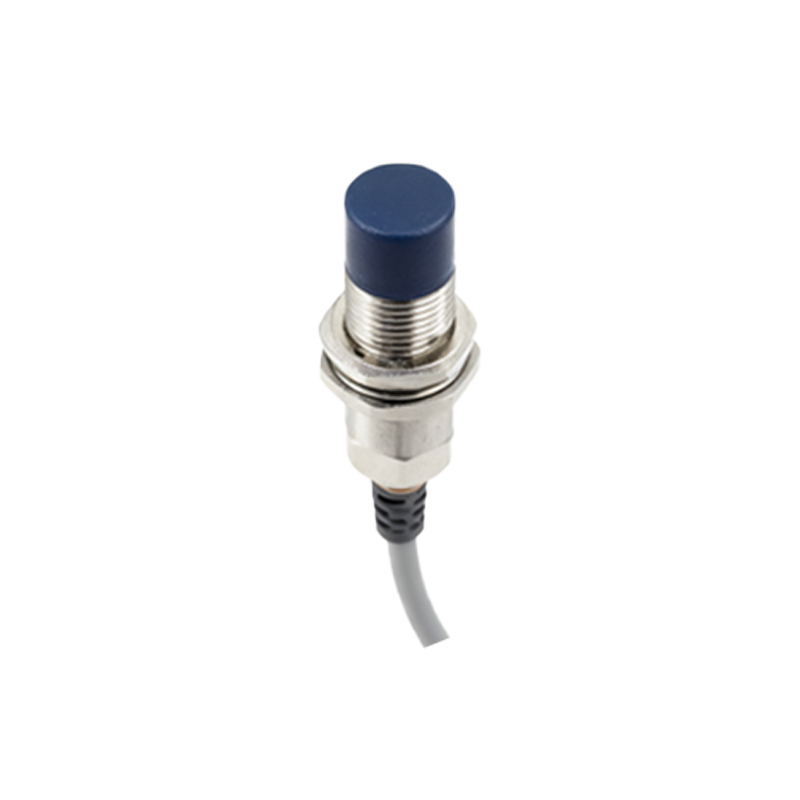
To ensure optimal performance, follow best practices when installing M12 proximity sensors. First, verify that the mounting hole has a matching 1.0 mm pitch and is clean of debris. Use proper tools, such as a calibrated torque wrench, to avoid over-tightening, which can distort threads and affect sensor alignment. Apply thread sealant or tape only if specified by the manufacturer, as some sensors rely on metal-to-metal contact for grounding. During installation, align the sensor straight into the hole and turn it gently to engage the threads correctly. Regular inspections for wear or corrosion can prevent failures, maintaining the sensor's accuracy in detecting objects without physical contact.
Impact on Sensor Performance and Durability
The thread pitch directly influences the mechanical stability and longevity of M12 proximity sensors. A precise 1.0 mm pitch distributes stress evenly across threads, reducing the risk of cracking or fatigue under constant vibration. This design enhances the sensor's ability to maintain its sensing range and switching frequency over time, even in high-cycle operations. Additionally, the tight thread fit minimizes electromagnetic interference by ensuring good electrical continuity between the sensor and mounting surface. For industries requiring high-precision detection, such as automotive assembly or packaging, maintaining thread integrity is essential to avoid false triggers and ensure consistent output signals.
Future Trends in Sensor Thread Design
As industrial automation evolves, thread pitch standards for M12 sensors may see innovations aimed at improving efficiency. Developments include self-locking threads that resist loosening without additional adhesives, or materials with enhanced corrosion resistance for extreme environments. However, the 1.0 mm pitch is likely to remain dominant due to its widespread adoption and compatibility with existing infrastructure. Engineers should stay informed about updates from standards organizations like IEC or ISO, which may introduce refinements to support emerging technologies like IoT-enabled sensors. Embracing these trends will help optimize system designs for smarter, more connected factories.