In the world of automation and smart technology, proximity sensors are the unseen facilitators, enabling devices to perceive their immediate surroundings without physical contact. These electronic workhorses detect the presence or absence of an object within a defined range, triggering a corresponding output. Their operation hinges on emitting a field or beam and monitoring for changes in the return signal or field properties. This fundamental capability makes them indispensable across countless industries, from manufacturing floors to consumer electronics.
The technology behind proximity sensors is diverse, with each type suited to specific materials and environmental conditions. Inductive proximity sensors are a common choice in industrial settings. They generate an electromagnetic field and detect the eddy currents induced in conductive metals, making them ideal for detecting machinery parts, tools, or metal objects. A key advantage is their robustness; they are largely unaffected by dust, oil, or other non-metallic contaminants, ensuring reliable operation in harsh environments.
For applications involving non-metallic objects—such as wood, plastic, glass, or liquids—capacitive proximity sensors are often employed. These sensors function by creating an electrostatic field. Any object that enters this field alters its capacitance, which the sensor detects. This sensitivity allows them to sense materials through certain barriers, enabling uses like liquid level detection in tanks or monitoring the presence of packaging materials. However, they can be influenced by environmental factors like humidity.
Another widely used category is the photoelectric sensor. These operate by projecting a light beam—often infrared, laser, or visible LED—toward a target. The sensor then detects either the reflection of this beam (reflective mode), its interruption by an object (through-beam mode), or its reflection from a dedicated reflector (retro-reflective mode). Photoelectric sensors offer long detection ranges and can sense virtually any material, provided it affects the light beam. They are prevalent in packaging, material handling, and safety systems.
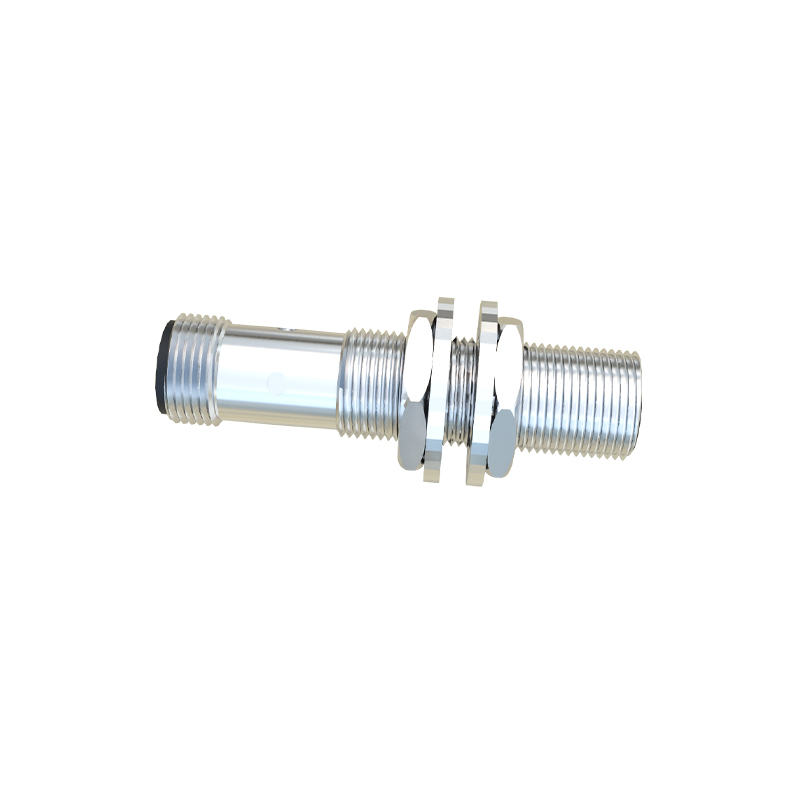
Ultrasonic sensors represent a highly versatile option. They work on a principle similar to sonar, emitting high-frequency sound waves and calculating distance by measuring the time it takes for the echo to return. This allows them to detect objects regardless of color, transparency, or material composition. They excel in challenging conditions such as detecting clear glass, measuring distances, or functioning in environments with dust, steam, or smoke where optical sensors might fail. Common applications include parking assistance systems, tank level monitoring, and robotics.
The selection of a proximity sensor for any given task requires careful consideration of several factors. The nature of the target material—its size, shape, and composition—is paramount. The required sensing distance, response speed, and environmental conditions like temperature, pressure, and potential interference must also be evaluated. Furthermore, the electrical output required (e.g., digital switch, analog signal) and the physical housing needed to withstand the installation environment are critical design choices.
The applications of proximity sensors are vast and continually expanding. In consumer electronics, they deactivate smartphone touchscreens during calls to prevent accidental inputs. In automotive systems, they enable parking sensors and collision avoidance features. On assembly lines, they count products, verify part placement, and control robotic arms. In the realm of safety, they form the backbone of machine guarding systems, ensuring dangerous equipment halts when a person approaches too closely. Their role in enabling the Internet of Things (IoT) is also significant, providing the essential data about object presence that drives automated decisions.
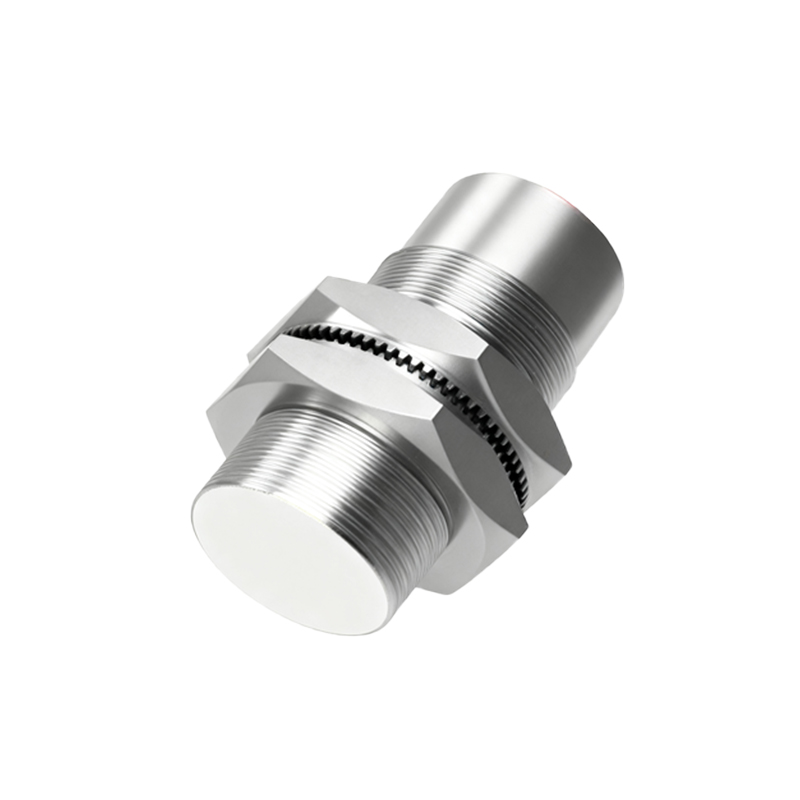
As technology advances, proximity sensors are becoming smarter, smaller, and more energy-efficient. Integration with microprocessors and IoT connectivity allows for predictive maintenance, where the sensor itself can diagnose potential issues. The development of sensors with higher immunity to electromagnetic interference and more precise measurement capabilities continues to open new frontiers in automation and interactive design. From simple presence detection to complex distance measurement, these devices remain a foundational component in building a more responsive and intelligent technological landscape.