In the world of industrial automation and machinery monitoring, the ability to accurately measure rotational or linear speed is paramount. Among the various technologies employed for this critical task, proximity speed sensors stand out for their reliability, durability, and non-contact operation. Unlike traditional mechanical tachometers that require physical contact, these sensors detect the presence, absence, or passage of a target without touching it, making them ideal for harsh environments and high-speed applications.
At their core, most industrial proximity speed sensors operate on the principle of electromagnetic induction or eddy current generation. A common type is the inductive proximity sensor used for speed detection. It typically consists of a coil wound around a ferrite core, an oscillator, a detection circuit, and an output circuit. When a metallic target, such as a gear tooth, keyway, or a dedicated pin on a rotating shaft, passes near the sensor's active face, it disturbs the electromagnetic field generated by the oscillator. This disturbance causes a change in the oscillation amplitude or frequency. The sensor's internal circuitry detects this change and converts it into a clean, digital output pulse. The frequency of these pulses is directly proportional to the rotational speed of the target. By counting the number of pulses over a known time period, a control system can precisely calculate the RPM (revolutions per minute) or linear speed.
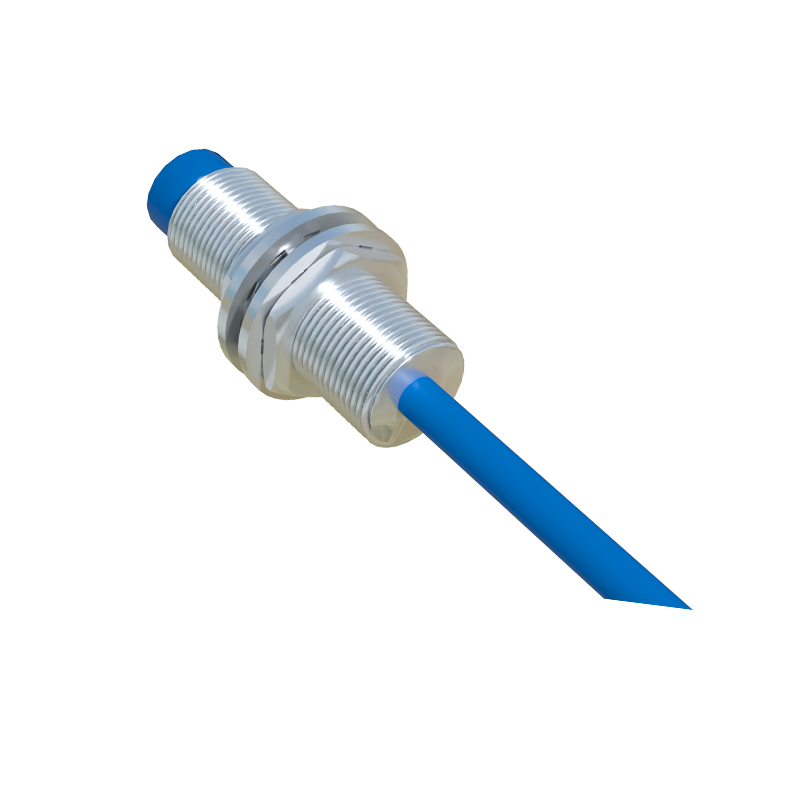
Another prevalent technology is the Hall-effect sensor. These sensors detect changes in a magnetic field. A permanent magnet is either embedded in the sensor or mounted on the rotating element. As a ferrous target passes by, it alters the magnetic field density, which is detected by the Hall-effect element, generating a corresponding voltage pulse. Hall-effect sensors are highly resistant to environmental contaminants like dust, oil, and moisture and can detect both magnetic and non-magnetic metals, depending on the configuration.
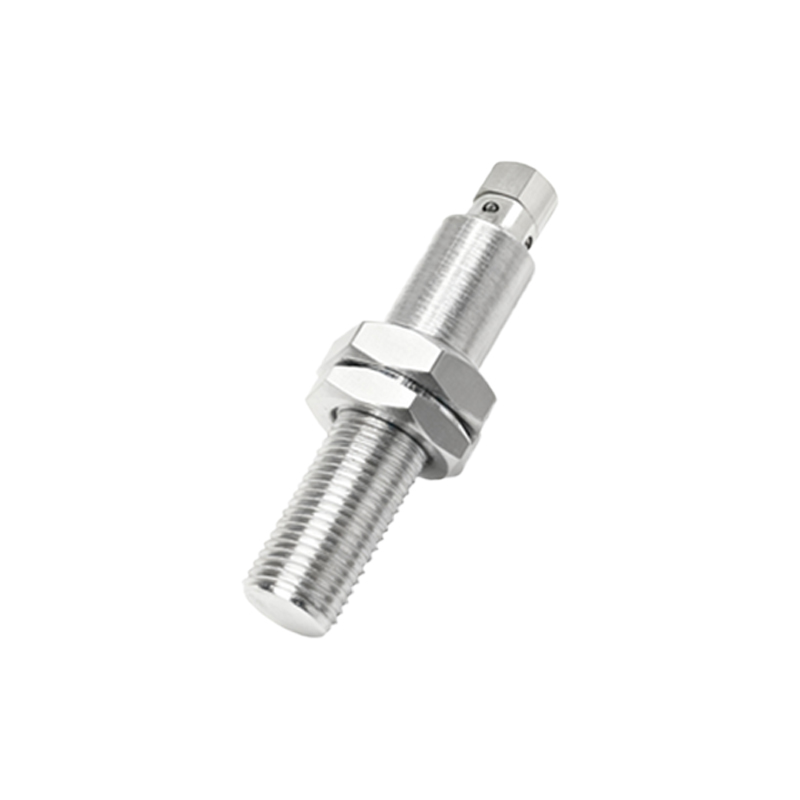
The applications for proximity speed sensors are vast and span numerous industries. In automotive manufacturing, they monitor the speed of assembly line conveyors and robotic arms. Within the automotive vehicle itself, they are crucial for anti-lock braking systems (ABS), measuring wheel speed to prevent skidding. In the aerospace sector, they monitor turbine and engine shaft speeds, where reliability is non-negotiable. On factory floors, they are integral to conveyor belt systems, packaging machinery, and printing presses, ensuring synchronization and preventing jams. They also play a vital role in wind turbines for monitoring blade speed and in heavy machinery for overseeing crusher or mill rotational rates.
Selecting the right proximity speed sensor requires careful consideration of several key parameters. First, the sensing distance must be appropriate for the application, ensuring the target passes within the sensor's effective range without risk of collision. The target material and size are critical; inductive sensors work best with ferrous metals, while capacitive sensors can detect non-metals. The output type is another decision point. Common outputs include NPN/PNP transistor switches, which provide a simple on/off pulse, or analog voltage/current outputs that vary proportionally with speed. For digital systems, sensors with built-in IO-Link or other industrial communication protocols offer advanced diagnostics and parameterization.
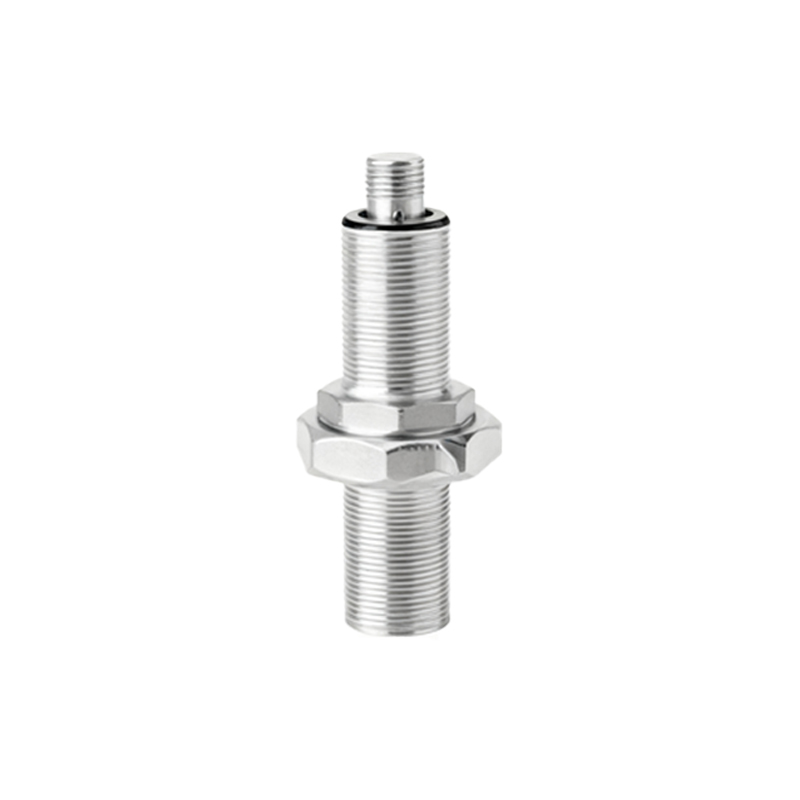
Environmental factors cannot be overlooked. The sensor's housing material (often stainless steel or nickel-plated brass) and Ingress Protection (IP) rating determine its resistance to dust, water, and chemicals. Operating temperature range is also vital for applications in foundries or cold storage. Furthermore, the response frequency or maximum switching frequency must be high enough to handle the fastest expected target speed without missing pulses.
Installation and maintenance are relatively straightforward due to their non-contact nature, which eliminates wear and tear. However, proper alignment and a stable mounting are essential for consistent signal generation. Electrical noise in industrial settings can sometimes interfere with sensor signals, so using shielded cables and ensuring proper grounding are important best practices.
In conclusion, proximity speed sensors are indispensable components in modern industrial systems. Their non-contact operation ensures long service life and minimal maintenance, while their robust construction allows them to thrive in demanding conditions. By understanding the underlying technologies—primarily inductive and Hall-effect—and carefully matching sensor specifications to the application's requirements for target, environment, and output, engineers can implement highly reliable and accurate speed monitoring solutions. This contributes directly to improved process efficiency, enhanced machine safety, and predictive maintenance capabilities, forming a silent yet critical backbone for automated and controlled motion across global industries.