In the intricate and demanding world of aviation, where safety and precision are non-negotiable, the reliability of every component is paramount. Among the myriad of systems that ensure an aircraft operates flawlessly, aviation sensor proximity switches play a critical, though often understated, role. These devices are fundamental to modern aircraft functionality, providing essential data and control for numerous systems without physical contact.
Aviation sensor proximity switches are non-contact sensors designed to detect the presence or absence of a target object within a specific range. They operate on various principles, with inductive, capacitive, and photoelectric being the most common in aerospace applications. Inductive sensors, for instance, are ideal for detecting metallic components like landing gear locks or turbine blades. They generate an electromagnetic field, and when a metal target enters this field, it causes a change that the sensor detects, triggering a switch signal. This capability is vital for monitoring the position of critical moving parts, ensuring they are correctly deployed or stowed.
The applications within an aircraft are diverse and mission-critical. One of the most visible uses is in landing gear systems. Proximity sensors provide definitive confirmation of whether the gear is fully down and locked or safely retracted. This information is relayed to the cockpit, illuminating the familiar "three green" lights that give pilots absolute confidence before touchdown. In engine nacelles, these sensors monitor the position of thrust reversers, ensuring they deploy only when commanded and are fully stowed during normal flight to maintain aerodynamic efficiency.
Beyond these, proximity switches are integral to flight control systems. They can be found monitoring the position of flaps, slats, and spoilers—control surfaces that dramatically alter the aircraft's lift and drag characteristics. Accurate positional feedback is essential for the Flight Control Computers (FCCs) to manage these surfaces correctly, directly impacting takeoff performance, cruise efficiency, and landing safety. In cabin and cargo areas, they ensure doors are securely closed and locked, a fundamental prerequisite for pressurization.
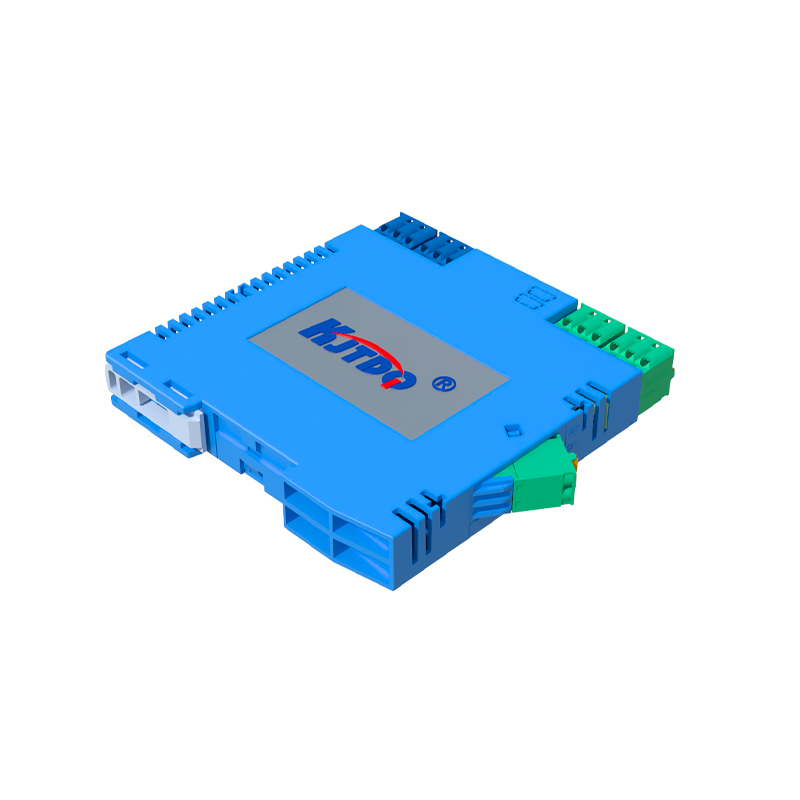
The operating environment for these sensors is exceptionally harsh. They must perform reliably under extreme conditions: temperatures ranging from the intense cold of high-altitude flight to the heat generated by engines; significant vibration from aerodynamic forces and engine operation; exposure to fluids like hydraulic oil, jet fuel, and de-icing compounds; and electromagnetic interference from the aircraft's own extensive electrical systems. Consequently, aviation-grade proximity switches are engineered to rigorous standards, such as those defined by RTCA/DO-160 for environmental testing. They are typically housed in robust, sealed casings made from stainless steel or other durable materials, with connections designed to prevent corrosion and ensure signal integrity.
The evolution of these sensors is closely tied to the advancement of aircraft technology. Traditional discrete sensors provided simple on/off signals. Modern "smart" sensors, however, offer digital output and can communicate via data buses like ARINC 429 or AFDX, integrating seamlessly into the aircraft's overall digital architecture. This allows for more sophisticated health monitoring and diagnostics, contributing to predictive maintenance strategies. Technicians can often interrogate the sensor's performance history, aiding in troubleshooting and reducing unscheduled maintenance events.
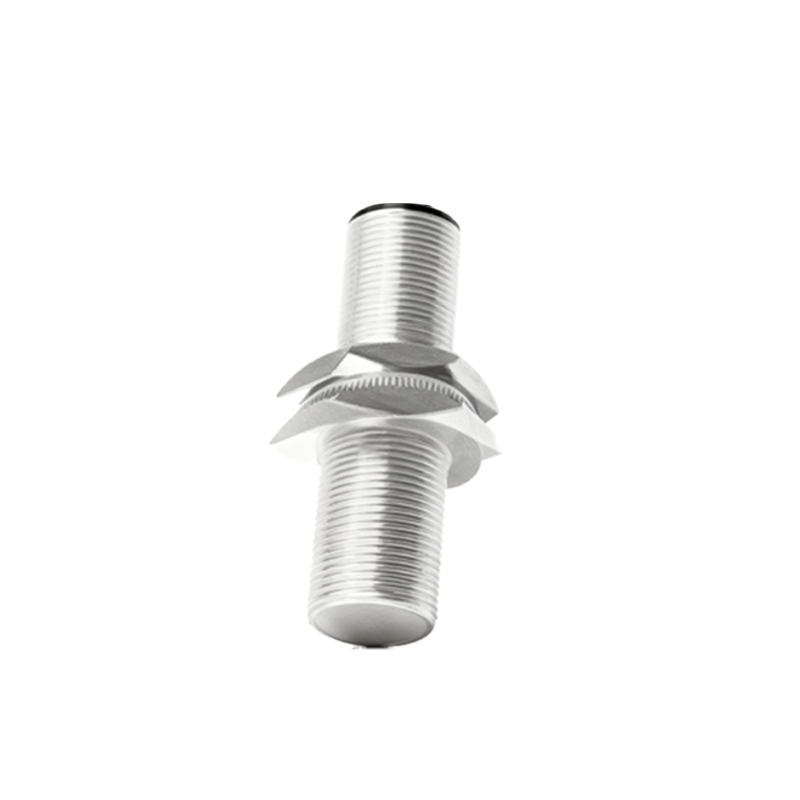
Selecting and maintaining the correct proximity switch is a precise science. Factors such as sensing distance, target material, electrical output type (e.g., NPN/PNP, solid-state relay), supply voltage, and housing style must all be meticulously matched to the application. Incorrect installation, such as improper alignment or inadequate clearance from surrounding metal structures (the "flush mounting" requirement), can lead to erratic operation or complete failure. Regular maintenance checks involve verifying the sensor's output signal and ensuring its physical mounting remains secure and free from contamination.
In essence, aviation sensor proximity switches are silent guardians. They provide the unambiguous, binary-state information that aircraft systems rely upon to make crucial decisions. From ensuring passengers are safe in a pressurized cabin at 35,000 feet to confirming that landing gear will support the aircraft during a descent, their role is indispensable. As aviation continues to advance towards more electric aircraft and increased automation, the demand for reliable, intelligent proximity sensing will only grow. These components exemplify how engineering excellence in seemingly small parts creates the aggregate reliability that makes modern air travel the safest mode of transportation. Their continuous, flawless operation is a testament to the precision engineering that defines the aerospace industry.