Understanding Capacitive Proximity Sensors
Capacitive proximity sensors are versatile electronic devices designed to detect both metallic and non-metallic objects without physical contact. Their operation is based on the principle of capacitance change. The sensor generates an electrostatic field from its sensing face. When a target object enters this field, it alters the capacitance of the sensor's internal oscillator circuit. This change triggers the sensor's output state, signaling the presence of the object. Unlike inductive sensors, which only detect metals, capacitive sensors can detect a wide range of materials including liquids, plastics, wood, glass, and granular substances, making them exceptionally flexible for diverse industrial applications.
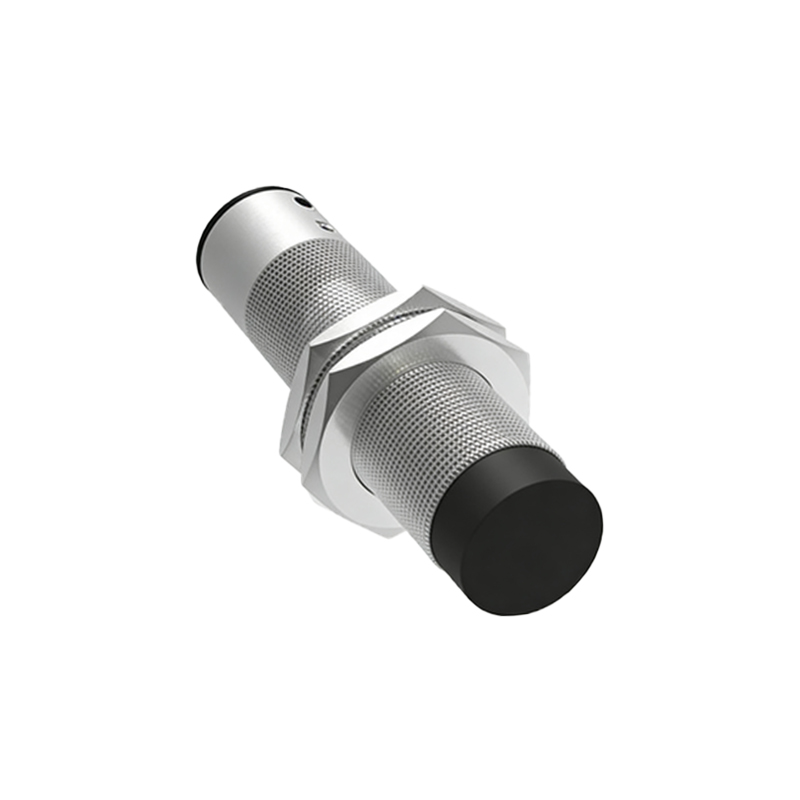
Key Components and Operating Principle
The core of a capacitive sensor consists of two conductive electrodes: one acts as the active sensing electrode, and the other serves as a ground or shield. These electrodes form an open capacitor. An internal oscillator is connected to this capacitive system. When no target is present, the oscillator is inactive or operates at a specific baseline amplitude. The introduction of a target object into the sensing field increases the dielectric constant, leading to a rise in capacitance. Once this capacitance reaches a pre-set threshold, the oscillator circuit activates, which in turn triggers a solid-state output switch (typically NPN or PNP). The sensing range is adjustable via a potentiometer, allowing fine-tuning for specific materials and environmental conditions.
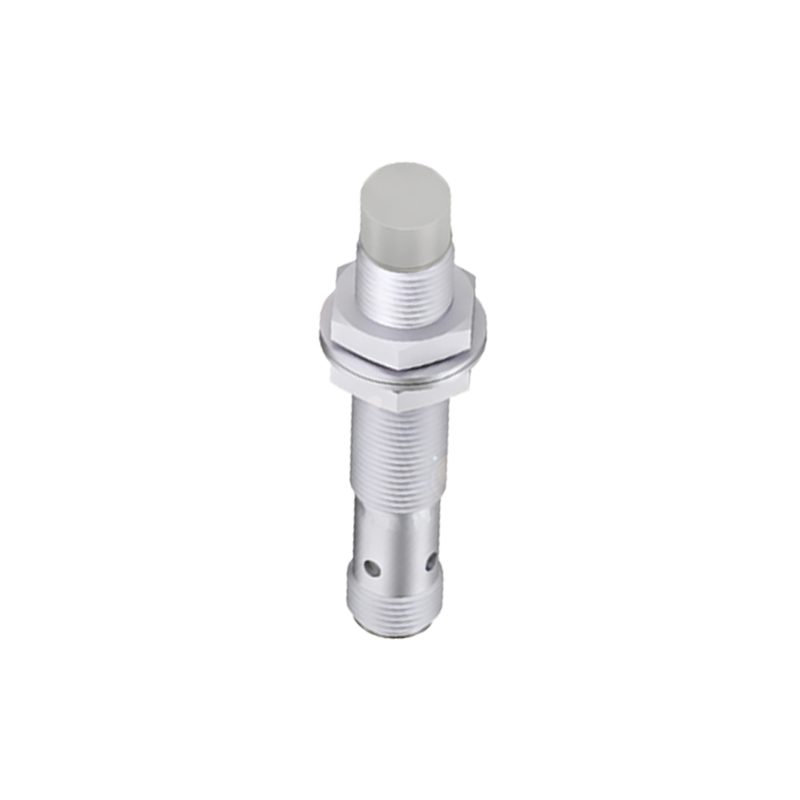
Primary Advantages and Technical Specifications
The most significant advantage of capacitive proximity sensors is their material-agnostic detection capability. They offer reliable operation in challenging environments, often featuring robust housings with high Ingress Protection (IP) ratings (e.g., IP67, IP69K) for resistance to dust, water, and chemicals. Typical sensing distances range from a few millimeters to about 40 millimeters, depending on the sensor size and target material. These sensors provide stable performance despite variations in color, surface texture, or reflectivity of the target. They are largely immune to ambient light interference and can detect objects through thin non-metallic barriers, such as glass or plastic walls of a container.
Major Industrial Applications
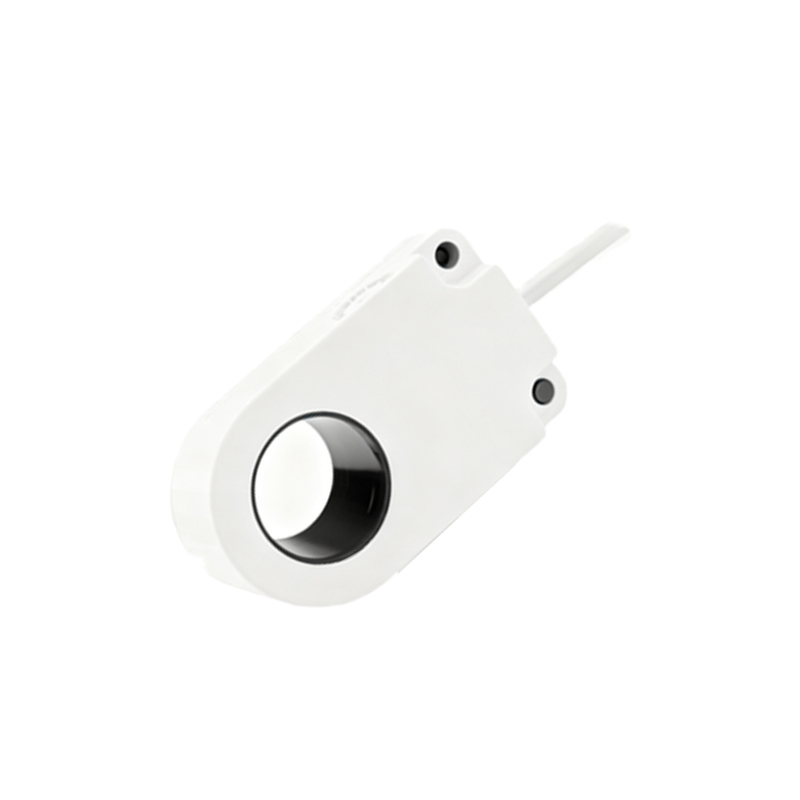
Capacitive sensors find critical roles across numerous sectors. In packaging and bottling lines, they reliably detect the fill level of liquids, powders, or granules inside non-metallic containers, preventing overfills or shortages. The wood and paper industry uses them for stack height monitoring and sheet counting. In the automotive sector, they assist in detecting plastic component presence and fluid levels. A vital application is in touch-sensitive interfaces and control panels, where the sensor detects the presence of a finger. Furthermore, they are indispensable in agriculture and food processing for monitoring bulk material levels in silos or hoppers.
Installation Considerations and Best Practices
Proper installation is crucial for optimal performance. Sensors must be mounted securely to minimize vibration effects. A critical rule is to maintain adequate clearance from surrounding metal objects or grounded surfaces, known as the "non-flush" mounting requirement, to prevent false triggering. The sensing field can be influenced by the target's size, material, and environmental factors like humidity or temperature. Therefore, on-site adjustment of the sensitivity potentiometer is always recommended after installation. For liquid level detection, the sensor should be mounted externally to the tank wall to avoid contact with the medium, ensuring longevity and hygiene.
Troubleshooting Common Issues
Common operational challenges include false triggering and reduced sensing range. False triggers are often caused by environmental factors such as condensation, dust buildup on the sensing face, or proximity to moving machinery that creates electrical noise. Regular cleaning of the sensor face is essential. Reduced sensing range may occur if the target material has a low dielectric constant (like dry wood) or if the sensitivity setting is too low. Electrical interference from variable-frequency drives (VFDs) or large motors can be mitigated by using shielded cables and ensuring proper grounding of both the sensor and the machinery.
Future Trends and Technological Developments
The evolution of capacitive sensing technology is geared towards miniaturization, enhanced intelligence, and connectivity. Modern sensors are becoming smaller while offering longer sensing ranges and higher switching frequencies. The integration of IO-Link communication is a significant trend, enabling digital parameter setting, remote diagnostics, and condition monitoring directly from a control system. Advanced models now feature improved noise immunity and specialized designs for high-temperature or ultra-hygienic (e.g., CIP/SIP) environments. Research continues into multi-channel array sensors and those with advanced material discrimination capabilities, pushing the boundaries of automated detection.