Introduction to Proximity Sensor Industry Leaders
The global landscape for proximity sensors is dominated by several key manufacturers renowned for their innovation, reliability, and comprehensive product portfolios. These companies drive advancements in automation, automotive, and consumer electronics by providing critical sensing solutions. Their expertise spans inductive, capacitive, ultrasonic, and photoelectric technologies, catering to diverse industrial needs. Understanding the leading players is essential for engineers and procurement specialists aiming to integrate high-performance, durable components into their systems. This overview highlights the prominent manufacturers shaping the market.
Omron Corporation: A Pioneer in Automation Sensing
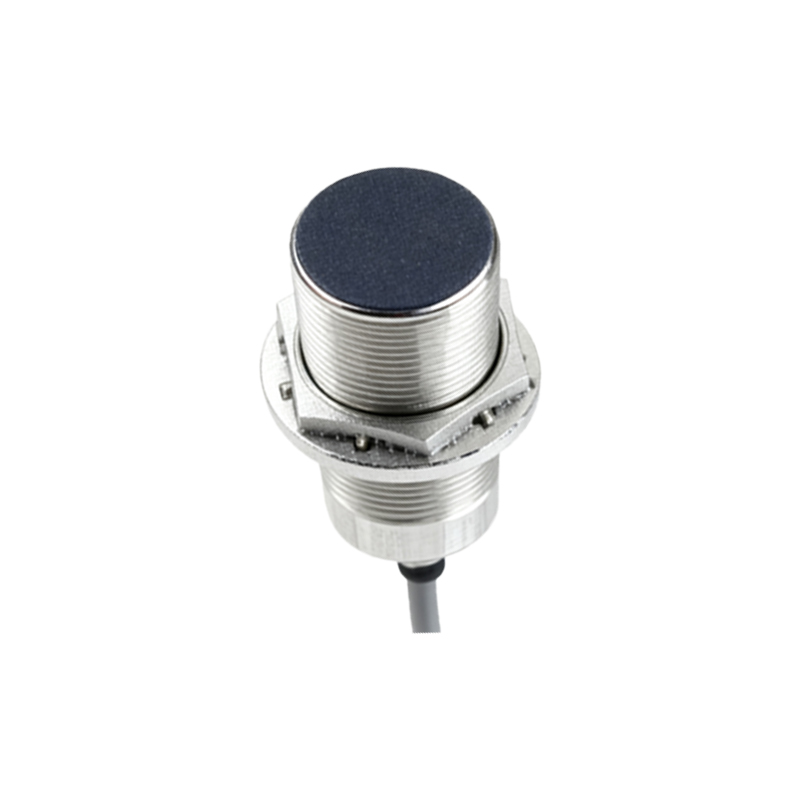
Omron Corporation, headquartered in Japan, stands as a titan in the factory automation and sensing domain. Their E2E and E2A series of inductive proximity sensors are industry benchmarks, known for exceptional durability and precision in harsh environments. Omron invests heavily in R&D, consistently introducing compact designs with enhanced sensing distances and noise immunity. Their global support network and extensive application knowledge make them a preferred partner for complex automation projects, from assembly lines to robotic systems.
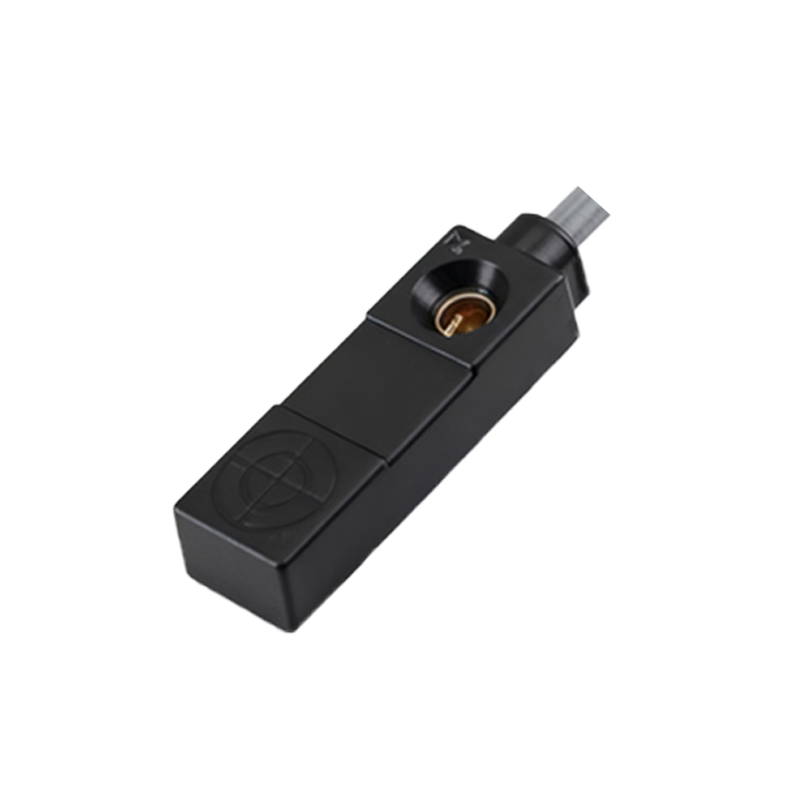
Sick AG: Specialists in Industrial Sensor Solutions
Germany-based Sick AG is synonymous with high-quality sensor technology for industrial applications. Their proximity sensor range, particularly within the IM and IME series, offers robust performance for position detection, object counting, and quality control. Sick sensors are engineered for extreme conditions, featuring high IP ratings and resistance to temperature variations, chemicals, and mechanical stress. The company's focus on Industry 4.0 and IoT connectivity integrates proximity sensors into smart, data-driven manufacturing ecosystems.
Pepperl+Fuchs: Innovation in Intrinsic Safety
Pepperl+Fuchs has established a formidable reputation, especially in hazardous and explosive atmospheres common in chemical, oil, and gas industries. Their inductive and capacitive proximity sensors are designed with intrinsic safety (IS) principles, ensuring reliable operation where safety is paramount. The company offers a vast array of form factors, connection types, and output configurations. Pepperl+Fuchs' engineering support and custom solution capabilities address the most challenging sensing requirements in process automation.
Balluff GmbH: Precision and Modularity
Balluff, another German powerhouse, excels in providing precise and modular sensor solutions. Their BALLUFFprox inductive sensors are celebrated for long operating distances and innovative features like IO-Link communication, which enables parameter setting, diagnostics, and process data exchange. Balluff's focus on miniaturization allows for installation in space-constrained applications without compromising performance. Their global presence ensures timely delivery and technical assistance for machine builders and end-users worldwide.
IFM Electronic GmbH: User-Centric Design and Diagnostics
IFM Electronic is renowned for its user-friendly sensor designs incorporating advanced diagnostic functions. Their proximity sensors often feature LED indicators that display operational status and signal strength, simplifying commissioning and maintenance. IFM's product line is vast, covering standard inductive/capacitive sensors to specialized variants for welding immunity or high-temperature applications. The company's commitment to simplifying automation through intuitive products and comprehensive system solutions has earned them a loyal customer base across various sectors.
Rockwell Automation (Allen-Bradley)
As a major player in integrated industrial automation, Rockwell Automation offers proximity sensors under its iconic Allen-Bradley brand. These sensors are designed to seamlessly integrate with Rockwell's broader control and information architecture, including PLCs and networked systems. Their sensors prioritize interoperability, durability, and ease of use within complex manufacturing environments. For facilities standardized on Rockwell platforms, their proximity sensors provide a reliable, system-optimized component choice.
Panasonic Corporation: Versatility in Consumer and Industrial Sectors
Panasonic Corporation delivers a wide spectrum of proximity sensors that serve both high-volume consumer electronics and demanding industrial applications. Their photoelectric and inductive sensors are known for consistent quality, cost-effectiveness, and compact size. Panasonic's strength lies in its vertical integration and mass-production capabilities, making it a key supplier for automotive manufacturers and consumer device producers requiring reliable, high-volume sensing components.
Key Considerations for Selecting a Manufacturer
Choosing the right proximity sensor manufacturer depends on several factors beyond brand reputation. Engineers must evaluate technical specifications such as sensing range, response frequency, output type (PNP/NPN, analog, IO-Link), and environmental ratings (IP, temperature). Application context—whether for general automation, hazardous areas, or food-grade environments—is crucial. Additionally, supply chain stability, local technical support, and total cost of ownership, including maintenance and integration efforts, play decisive roles in the final selection process.
Future Trends and Market Direction
The future of proximity sensing is being shaped by trends towards miniaturization, enhanced intelligence, and wireless connectivity