What is a Laser Proximity Sensor?
A laser proximity sensor is a non-contact electronic device designed to detect the presence, absence, or distance of a target object within a specified range. It operates by emitting a focused beam of coherent light—typically from a laser diode—towards a target. The sensor then analyzes the properties of the reflected light to determine distance or detect an object. Unlike traditional mechanical limit switches or ultrasonic sensors, laser sensors offer exceptional precision, high resolution, and rapid response times. They are fundamental components in modern automation, robotics, and quality control systems, enabling accurate measurement and detection where physical contact is impossible or undesirable.
Core Working Principle
The fundamental principle behind most industrial laser proximity sensors is triangulation or time-of-flight measurement. In the triangulation method, the sensor emits a laser beam that strikes the target and reflects back to a receiving element, typically a Position Sensitive Detector (PSD) or a CMOS/CCD array. The angle of the reflected beam changes with the target's distance, causing the light spot to shift position on the receiver. The sensor's internal processor calculates the exact distance based on this positional shift. Time-of-flight sensors, often used for longer ranges, measure the time delay between the emission of a laser pulse and the reception of its reflection. This elapsed time is directly proportional to twice the distance to the target, allowing for precise calculation.
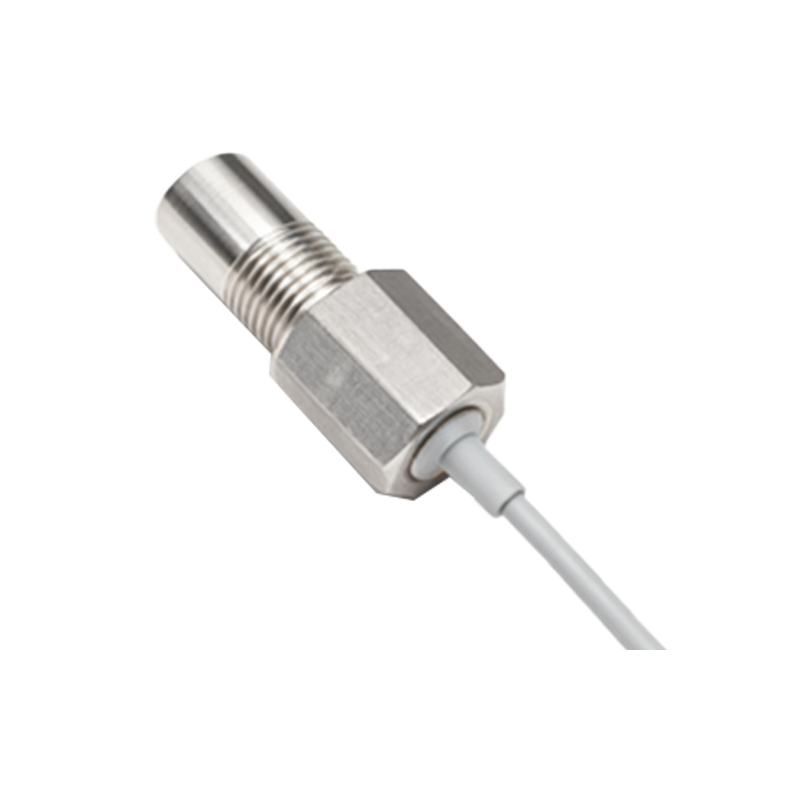
Key Technical Characteristics and Advantages
Laser proximity sensors are distinguished by several superior technical characteristics. They offer extremely high resolution, often down to the micrometer level, and excellent repeatability. The focused laser beam provides a small, precise spot size, allowing for the detection of very small objects or precise edge detection. They are largely immune to ambient light interference, especially those using modulated laser light. Their response time is exceptionally fast, suitable for high-speed production lines. Furthermore, the measurement is virtually independent of surface color, material, or texture compared to standard photoelectric sensors, though highly reflective or absorbent surfaces may require specific calibration. This combination of speed, accuracy, and reliability makes them indispensable for demanding applications.
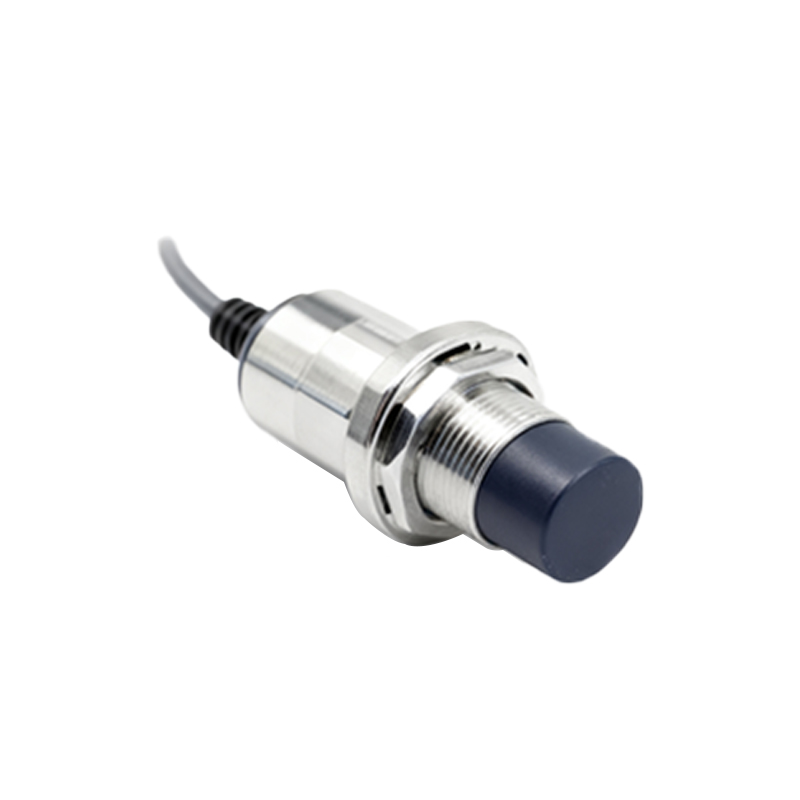
Common Industrial Applications
The applications for laser proximity sensors span across numerous industries. In automotive manufacturing, they are used for robot guidance, part presence verification, and gap/flush measurement on vehicle bodies. In electronics assembly, they ensure precise component placement on PCBs and measure solder paste height. Within packaging and material handling, they control roll diameter, detect transparent films, and manage precise fill levels. They are also critical in semiconductor fabrication for wafer positioning and in logistics for dimensioning packages. Essentially, any process requiring precise, non-contact distance measurement or high-accuracy object detection is a potential application for a laser sensor.

Critical Selection Criteria
Selecting the appropriate laser proximity sensor requires careful analysis of the application parameters. Key factors include the required measuring range, the desired resolution and repeatability, the response speed, and the size of the target. The target's properties—such as material, color, surface finish (matte, glossy, transparent)—must be evaluated, as they affect reflectivity. Environmental conditions like temperature extremes, dust, moisture, or vibration necessitate specific ingress protection (IP) ratings and robust housing. The output type (analog voltage/current, digital switch, serial communication like IO-Link) must integrate with the existing control system. Finally, mounting constraints and available space often dictate the sensor's physical size and shape.
Installation and Operational Best Practices
Proper installation is crucial for optimal sensor performance. The sensor must be securely mounted to minimize vibration. The laser beam should be aligned perpendicular to the target surface whenever possible to ensure the strongest signal return. For diffuse reflection sensors, maintaining a clean lens is vital, as contamination can scatter or attenuate the laser beam. Electrical wiring should follow EMC guidelines, with cables separated from power lines to prevent noise interference. During operation, regular functional checks are recommended. Many modern sensors feature built-in diagnostics and teach-in functions via push-buttons or software to simplify setup and monitoring, helping to maintain long-term system reliability.
Comparison with Other Sensor Technologies
Understanding how laser sensors compare to alternatives like ultrasonic, inductive, or capacitive proximity sensors is essential. Laser sensors outperform ultrasonics in terms of precision, beam focus, and response speed, though ultrasonics may be better for detecting sound-absorbent materials or in dusty environments over very short ranges. Compared to inductive sensors (for metals only) or capacitive sensors (for materials affecting an electrostatic field), laser sensors offer material versatility and precise distance measurement, not just presence detection. While typically more expensive initially, their accuracy and flexibility often lead to a lower total cost of ownership by reducing