Introduction to Proximity Sensing Technology
Proximity sensors are indispensable components in modern industrial automation, providing non-contact detection of metallic and, in some cases, non-metallic objects. Among the various configurations available, the 3-wire proximity sensor stands out as one of the most common and versatile types used in factory environments. These sensors operate on the principle of electromagnetic induction or capacitive sensing, generating an oscillating electromagnetic field. When a target object enters this field, it causes a change in the oscillation amplitude or frequency, which the sensor's internal circuitry detects and converts into a switching signal. The 3-wire design specifically refers to the electrical connection scheme, which typically includes a positive supply wire, a negative supply wire, and a signal output wire. This configuration offers a robust and reliable solution for countless applications, from simple part presence detection on conveyor belts to complex positioning tasks in robotic cells.
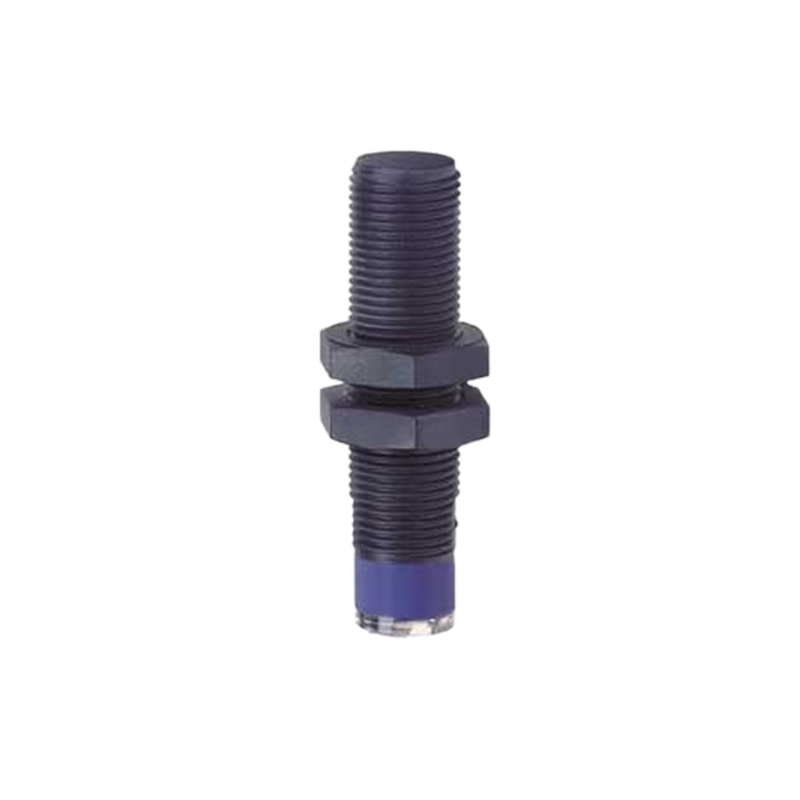
Anatomy of a 3-Wire Proximity Sensor
A standard 3-wire DC proximity sensor comprises several key components housed within a rugged, often metallic or polymer, casing. The core element is the sensing coil or oscillator circuit, which generates the high-frequency electromagnetic field. This is connected to an amplifier and a signal conditioning circuit that processes the detected changes. The output stage features a solid-state switching device, most commonly an NPN or PNP transistor. The three wires are color-coded for easy identification: brown for positive DC supply (V+), blue for negative DC supply (0V or common), and black for the switched output signal. Some models may use alternative colors like brown, blue, and black. The housing is designed to withstand harsh industrial conditions, including exposure to oils, coolants, and physical impacts, with protection ratings such as IP67 being standard.
Wiring Configurations: NPN vs. PNP Outputs
A critical distinction in 3-wire sensors is the type of transistor output, categorized as either NPN or PNP. This designation determines how the sensor interfaces with the programmable logic controller (PLC) or other control devices. An NPN sensor, also known as a sinking sensor, switches the negative or 0V line to the load. In its active state, the black output wire connects the load to the common (blue wire). Conversely, a PNP sensor, or sourcing sensor, switches the positive voltage. When active, it connects the load to the positive supply (brown wire) via the black output wire. The choice between NPN and PNP is primarily dictated by the input circuit of the controller. Many modern PLCs are compatible with both types, but understanding this difference is crucial for correct system integration and avoiding potential damage to equipment.
Key Performance Specifications and Selection Criteria
Selecting the appropriate 3-wire proximity sensor requires careful consideration of several technical parameters. The sensing distance, or nominal range, is the first specification to check, typically ranging from 1mm to 60mm for inductive models. It is important to note that this is a theoretical value under ideal conditions; practical mounting and target material affect the real usable range. The operating voltage range, often 10-30V DC, must match the available power supply. Output current capacity defines how much load the sensor can drive directly. Response frequency indicates how quickly the sensor can detect objects passing by, a vital factor for high-speed applications. Environmental factors like temperature rating, housing material (e.g., stainless steel for washdown areas), and protection class (IP rating) are equally important for ensuring long-term reliability in the intended operating environment.
Common Industrial Applications and Use Cases
The application scope for 3-wire proximity sensors is vast. In automotive manufacturing, they are used to verify the presence of engine blocks on assembly lines or count gears. In packaging machinery, they detect the position of film, cartons, or bottles to synchronize filling and sealing operations. On metalworking CNC machines, they serve as homing sensors for axis limits or tool changer position verification. Their non-contact nature makes them ideal for detecting fragile items without applying force. They are also extensively used in material handling for pallet positioning, elevator leveling, and detecting the end of travel for actuators and cylinders. The robust 3-wire design ensures minimal downtime, a critical factor in continuous process industries.
Installation Best Practices and Troubleshooting Tips
Proper installation is key to optimal sensor performance. Sensors should be mounted securely to prevent vibration-induced failures. Maintaining the correct distance from the target, typically within 80% of the nominal sensing range, is crucial. Installers must be mindful of the "blind zone" directly in front of the sensor face where detection is not possible