Introduction to Proximity Sensors
A proximity sensor is a non-contact electronic device designed to detect the presence or absence of an object within a specified range without any physical contact. Unlike mechanical switches, these sensors operate by emitting an electromagnetic field, beam, or radiation and then monitoring for changes in the field or return signal. The core function is to sense when a target object enters the sensor's detection zone, triggering an output signal. This capability makes them indispensable in modern industrial automation, robotics, consumer electronics, and automotive systems, where reliability, speed, and durability are paramount. Their non-contact nature eliminates mechanical wear and tear, significantly enhancing operational lifespan and reliability in harsh environments.
Primary Types and Technologies
Proximity sensors are categorized based on their underlying detection technology. The most common types include Inductive, Capacitive, Ultrasonic, and Photoelectric sensors. Inductive proximity sensors are used exclusively for detecting metallic objects. They generate an oscillating electromagnetic field; when a metal target enters this field, it induces eddy currents, causing a change in oscillation amplitude that is detected by the sensor's circuit. Capacitive sensors can detect both metallic and non-metallic materials, including liquids, powders, and plastics. They function by measuring changes in capacitance between the sensor and the target object. Ultrasonic sensors emit high-frequency sound waves and calculate distance by measuring the time taken for the echo to return. Photoelectric sensors use a light beam (visible, infrared, or laser) and detect objects by measuring the interruption or reflection of this beam.
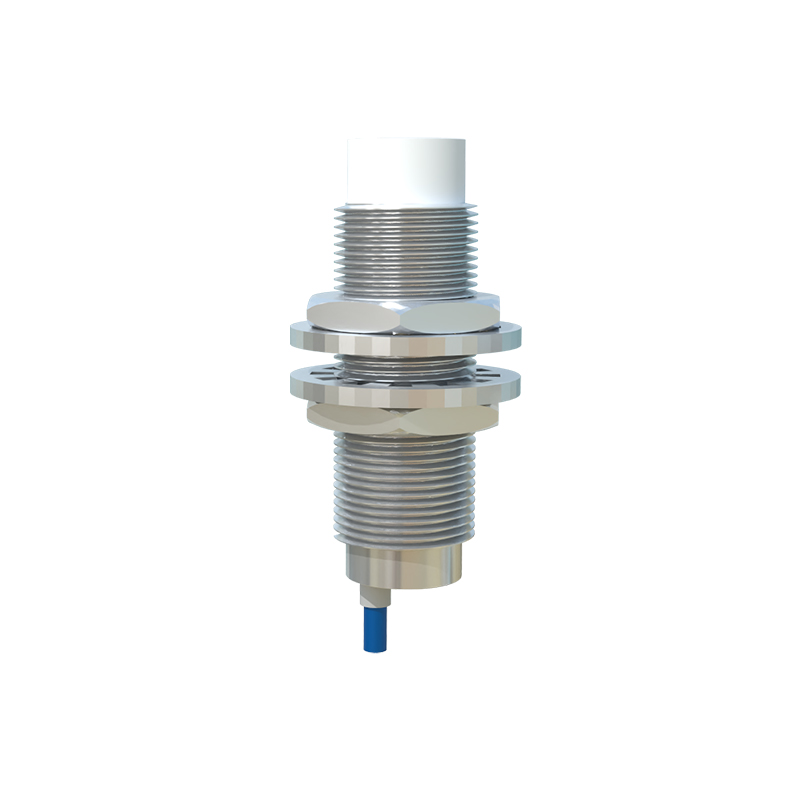
Key Working Principles in Detail
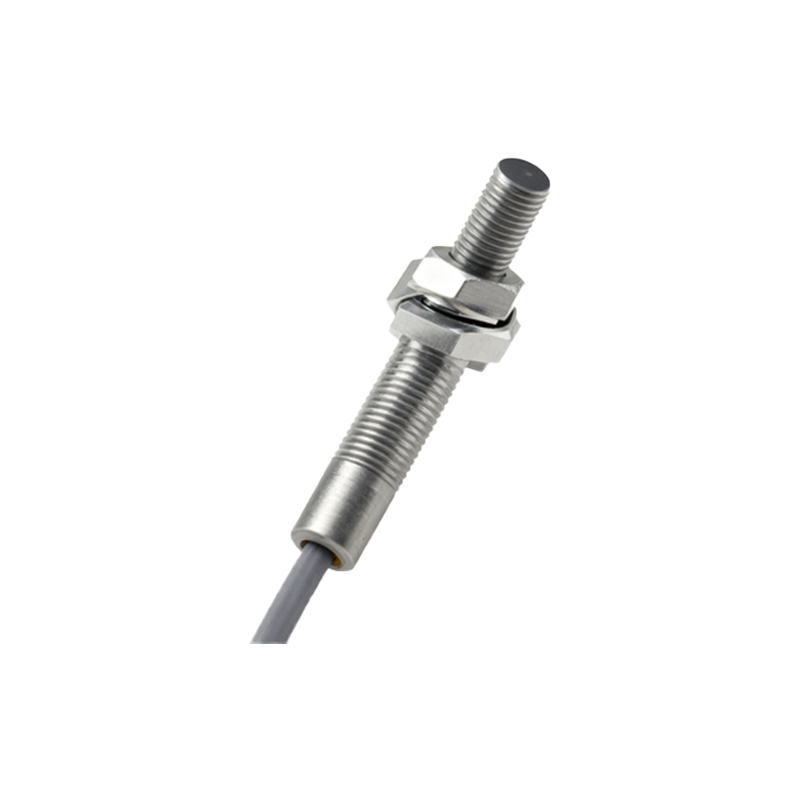
Delving deeper into the working principles, each sensor type has a distinct operational methodology. For an inductive sensor, a coil and oscillator create a high-frequency electromagnetic field at the sensing face. The presence of a conductive metal alters the loss resistance and oscillation amplitude, which is processed by a trigger circuit to switch the solid-state output. A capacitive sensor typically consists of two conductive plates (one being the sensor face) acting as an open capacitor. The approaching object changes the dielectric constant of the space between the plates, altering the capacitance. This change is measured against a reference value to trigger output. Ultrasonic sensors rely on the piezoelectric effect to generate and receive sound waves. The time-of-flight calculation is central to their operation, allowing for precise distance measurement. Photoelectric sensors operate on principles of light transmission, reflection, or diffusion, with receivers calibrated to specific light intensity thresholds.
Industrial and Commercial Applications
The application spectrum for proximity sensors is vast. In industrial automation, they are crucial for position sensing, end-of-travel detection on machinery, counting objects on conveyor belts, and part presence verification in assembly lines. Inductive sensors are commonly found in metal machining, robotic arm positioning, and machine tool safety interlocks. Capacitive sensors are ideal for level detection in tanks (liquid or granular materials), and detecting non-metallic materials in packaging lines. Ultrasonic sensors are used in parking assist systems, liquid level control, and collision avoidance in automated guided vehicles (AGVs). Photoelectric sensors are ubiquitous in material handling, automated doors, and optical encoders. In consumer electronics, they enable touchless faucets, smartphone screen blanking during calls, and interactive displays.
Critical Selection Criteria
Selecting the appropriate proximity sensor requires careful consideration of several parameters. The nature of the target material (metal, plastic, liquid) dictates the choice between inductive, capacitive, or other types. The required sensing distance, or range, is a primary factor; inductive sensors typically have shorter ranges than ultrasonic or photoelectric types. Environmental conditions such as temperature extremes, presence of dust, moisture, or oil, and potential electrical interference must be evaluated to ensure sensor housing (IP rating) and technology compatibility. Output type (NPN/PNP, NO/NC analog, or digital) must align with the control system's input requirements (e.g., PLC). Response time and switching frequency are critical for high-speed applications. Finally, physical factors like sensor size, mounting style (flush or non-flush), and connection type are essential for mechanical integration.
Advantages and Limitations
Proximity sensors offer significant advantages over mechanical limit switches. Their non-contact operation ensures a long service life with no moving parts to wear out. They provide high-speed response and can operate at high switching frequencies, enabling fast-paced automation. They are highly reliable and resistant to environmental contaminants when properly housed. Most types are not affected by surface conditions like color or texture (except some photoelectric sensors). However, limitations exist. Inductive sensors only detect metals, and their sensing range can be influenced by the type of metal. Capacitive sensors can be triggered by unintended environmental changes in humidity or material composition. Ultrasonic