When sourcing proximity sensors for industrial automation, robotics, or consumer electronics, understanding the pricing landscape is crucial for budgeting and value assessment. The cost of a high-quality proximity sensor is not a single figure but a spectrum influenced by a combination of technical specifications, performance features, and market dynamics.
At the core, the price is heavily dictated by the sensing technology. Inductive proximity sensors, commonly used for detecting metallic objects, are generally among the most cost-effective options, with prices starting in the $20-$50 range for standard models. Capacitive sensors, capable of detecting both metallic and non-metallic materials like liquids or plastics, typically command a 20-30% premium due to their more complex circuitry. For longer-range detection or specific material requirements, ultrasonic and photoelectric sensors see prices starting from $50 and can exceed $200 for high-precision, long-range variants. The emerging LiDAR-based proximity sensors, offering extreme precision for advanced applications, represent the premium tier, often costing several hundred dollars.
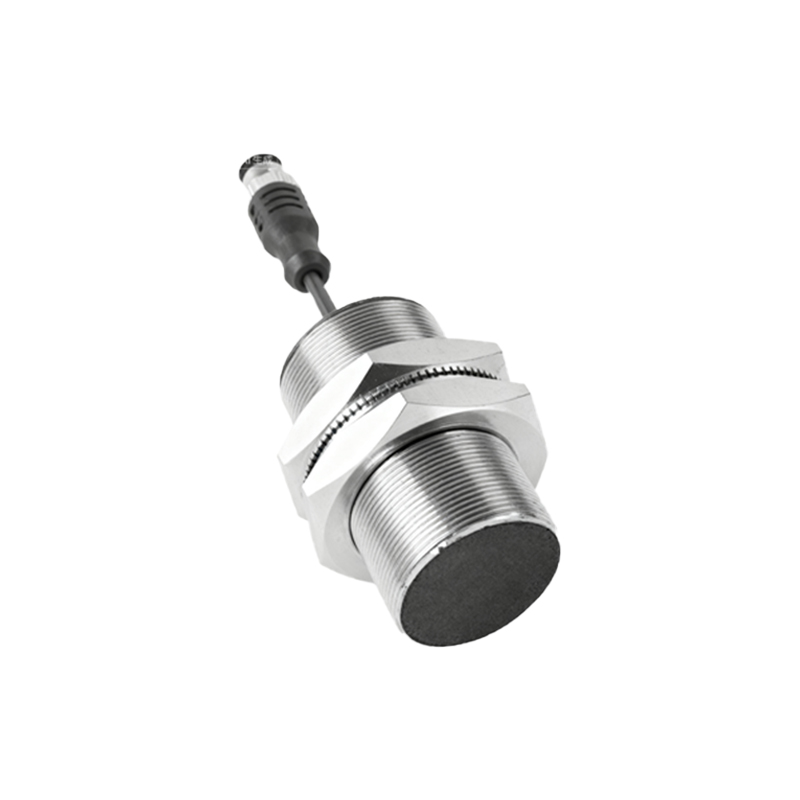
Beyond the core technology, performance specifications directly correlate with cost. Sensing range is a primary driver; a sensor with a 2mm range will be significantly less expensive than one rated for 30mm. Similarly, switching frequency—how quickly the sensor can detect objects—adds cost. High-speed models for fast-paced production lines are priced higher. The level of environmental protection, indicated by the IP (Ingress Protection) rating, also affects price. A sensor with an IP67 rating (dust-tight and waterproof for temporary immersion) costs more than a basic IP65 model. Additional features like built-in diagnostics, IO-Link communication for Industry 4.0 integration, or special housing materials (e.g., stainless steel for washdown environments) add layers of functionality and cost.
Brand reputation and supply chain stability are significant non-technical factors. Established brands like Omron, Schneider Electric, Sick, or Balluff often price their sensors higher, reflecting decades of R&D, proven reliability, and global technical support. This premium buys reduced downtime risk and longer product lifecycles. Conversely, generic or lesser-known brands may offer similar specifications at a lower upfront cost, but potential compromises in consistency, durability, and after-sales service should be considered. The choice between a global brand and a regional supplier often hinges on the criticality of the application.
Purchase volume is another key determinant. OEMs integrating sensors into mass-produced products can achieve substantial discounts through direct contracts and volume purchasing. For MRO (Maintenance, Repair, and Operations) buyers or small-scale integrators purchasing single units or small batches, list prices from distributors apply. Furthermore, the sales channel impacts the final price. Buying directly from a manufacturer's representative might offer technical bundling, while authorized distributors provide local stock and support. Prices on broad online marketplaces can be lower but may involve risks regarding authenticity, warranty, and certification.
Ultimately, evaluating the price of a high-quality proximity sensor requires a total cost of ownership (TCO) perspective. The initial purchase price is just one component. Factors such as installation ease, energy efficiency, mean time between failures (MTBF), and the cost of a production line stoppage due to sensor failure must be factored in. A robust, slightly more expensive sensor that operates flawlessly for years delivers far greater value than a cheaper alternative that requires frequent replacement or causes costly interruptions. Therefore, defining the application requirements with precision—required range, target material, environmental conditions, and necessary response speed—is the essential first step to identifying the sensor that offers the optimal balance of quality, performance, and price for your specific needs.