Introduction to Proximity Sensors in Industrial Applications
Proximity sensors are pivotal components in modern industrial machinery, designed to detect the presence or absence of an object without physical contact. In the context of waste paper balers, these sensors play a critical role in automating operations, ensuring precise control, and minimizing downtime. By utilizing electromagnetic fields, capacitive changes, or ultrasonic waves, proximity sensors provide reliable feedback to the baler's control system, enabling seamless integration into recycling and waste management processes. Their non-contact nature reduces wear and tear, leading to lower maintenance costs and extended equipment lifespan.
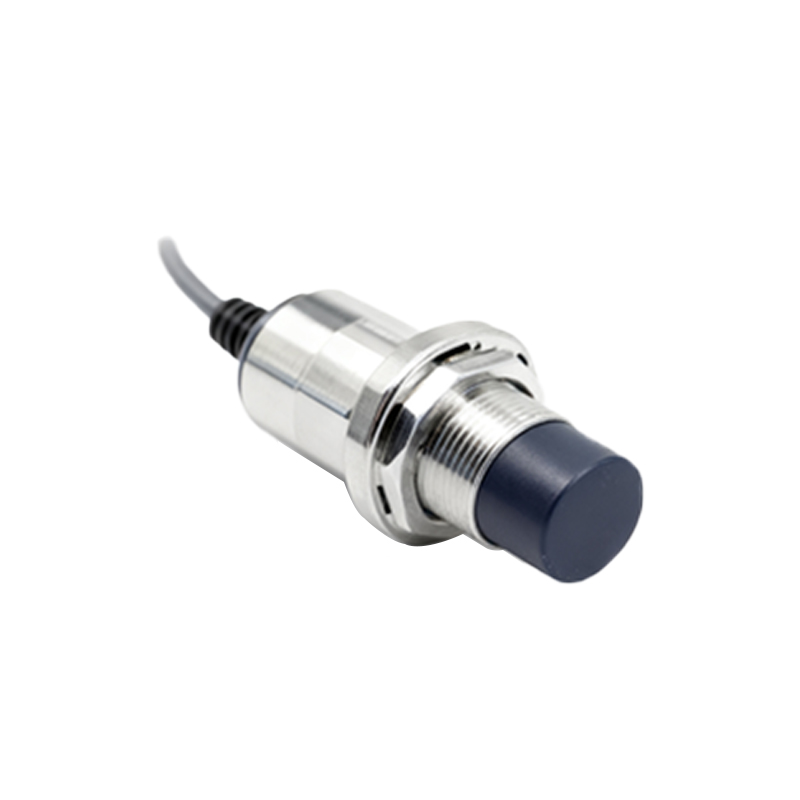
Types of Proximity Sensors Used in Waste Paper Balers
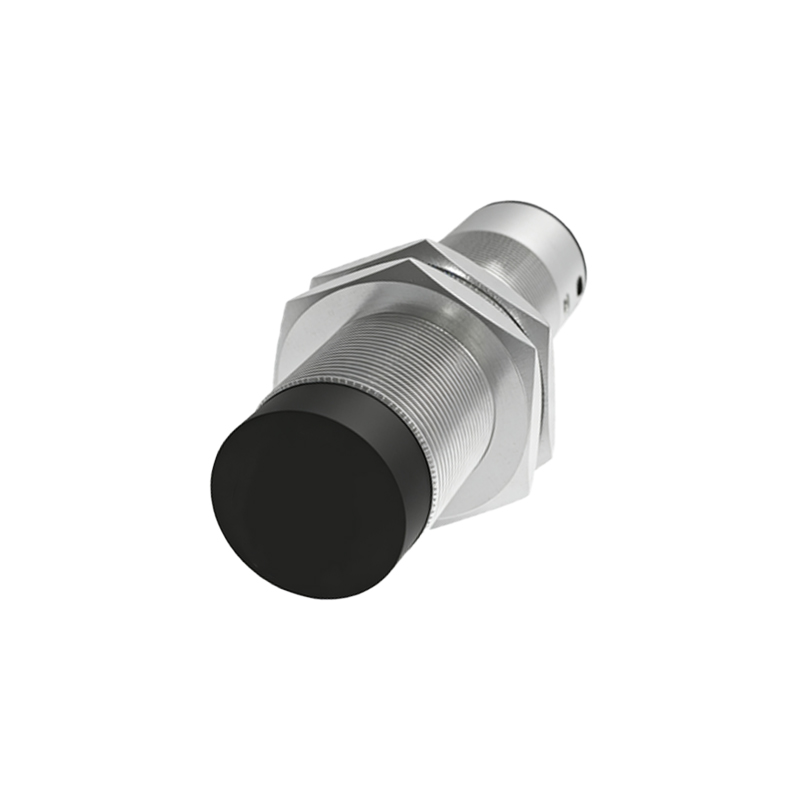
Several types of proximity sensors are commonly employed in waste paper balers, each suited for specific functions. Inductive sensors are ideal for detecting metallic objects, such as the baler's ram or hydraulic components, offering high accuracy in harsh environments. Capacitive sensors, on the other hand, can detect non-metallic materials like paper bales, making them versatile for monitoring bale formation. Ultrasonic sensors are used for distance measurement, ensuring proper bale compression and alignment. The selection depends on factors like material composition, environmental conditions, and required sensing range, with many balers incorporating multiple sensor types for comprehensive monitoring.
Key Functions and Benefits in Baling Operations
In waste paper balers, proximity sensors enhance efficiency by automating key processes. They monitor the position of the ram during compression cycles, preventing over-travel and mechanical failures. Sensors also detect bale size and density, triggering automatic ejection or tying mechanisms when predefined thresholds are met. This automation reduces manual intervention, increasing throughput and consistency in bale quality. Additionally, proximity sensors contribute to safety by halting operations if obstructions are detected, protecting operators from potential hazards. The result is a more reliable, productive, and safe baling system that meets industry standards for recycling operations.
Installation and Calibration Best Practices
Proper installation and calibration are essential for optimal sensor performance in waste paper balers. Sensors should be mounted securely to avoid vibrations or misalignment, with adequate clearance from moving parts to prevent damage. Wiring must be shielded to minimize electromagnetic interference, especially in environments with high electrical noise. Calibration involves setting sensing distances and sensitivity levels based on the specific application, such as detecting thin paper layers or dense bales. Regular testing with simulated objects ensures accuracy, and maintenance schedules should include cleaning sensor faces to avoid debris buildup, which can cause false readings or failures.
Common Challenges and Troubleshooting Tips
Despite their reliability, proximity sensors in waste paper balers can face challenges like environmental contaminants, temperature fluctuations, or electrical interference. Paper dust and moisture may accumulate on sensor surfaces, leading to reduced sensitivity or erroneous signals. To mitigate this, choose sensors with high IP ratings for dust and water resistance. Temperature extremes can affect electronic components, so selecting sensors with wide operating ranges is advisable. Troubleshooting often involves checking power supplies, wiring connections, and sensor alignment. Diagnostic tools like oscilloscopes or multimeters can help identify signal issues, and consulting manufacturer guidelines ensures correct replacement or adjustment procedures.
Future Trends and Technological Advancements
The future of proximity sensors in waste paper balers is shaped by advancements in smart technology and Industry 4.0 integration. IoT-enabled sensors can transmit real-time data to centralized systems, allowing for predictive maintenance and remote monitoring. Enhanced materials and designs are improving durability in abrasive environments, while miniaturization enables more compact installations. Machine learning algorithms may soon optimize sensor settings based on historical data, further boosting efficiency. As sustainability goals drive recycling demand, these innovations will make balers more adaptive and cost-effective, solidifying proximity sensors as indispensable tools in the electrical engineering landscape of waste management.