Introduction to Proximity Photoelectric Sensors
Proximity photoelectric sensors are widely used in industrial automation for detecting the presence or absence of objects without physical contact. These sensors operate by emitting a light beam, typically infrared, and measuring the reflection or interruption to determine object proximity. They are essential in applications such as packaging, assembly lines, and safety systems, offering high precision and reliability in harsh environments. The internal components include an emitter, receiver, and optical elements, all housed in a compact casing. Understanding their structure is key to identifying common issues, such as the appearance of a black dot within the sensor.
What Is the Black Dot Inside the Sensor?
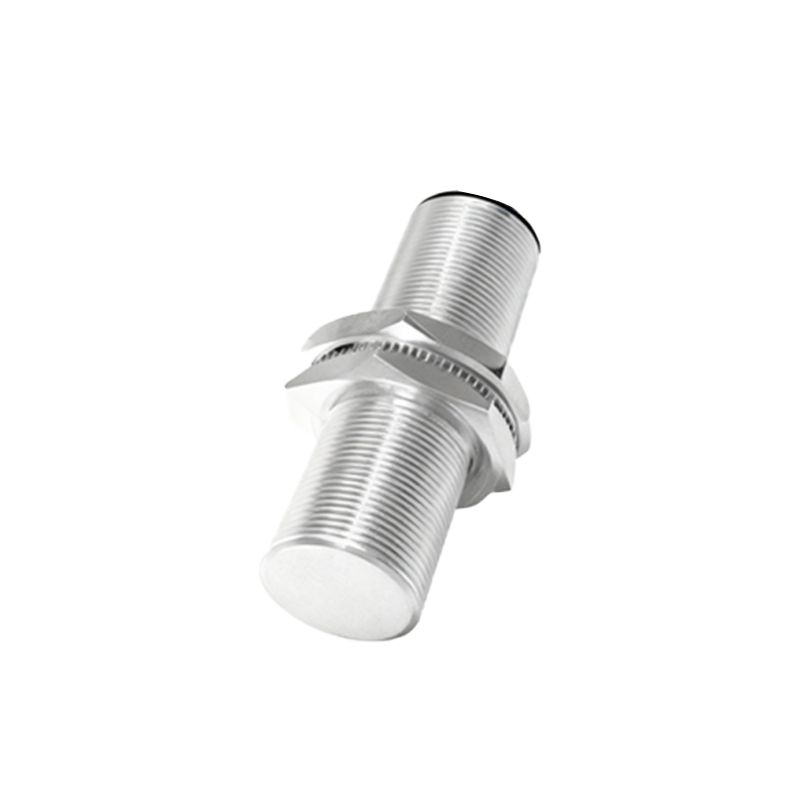
The black dot observed inside a proximity photoelectric sensor is often a deliberate design feature rather than a defect. It is typically a light-absorbing material or coating applied to internal surfaces, such as lenses or housing walls. This black dot serves to reduce stray light reflections and internal glare, which can interfere with the sensor's accuracy. By absorbing excess light, it enhances signal clarity and minimizes false triggers, ensuring consistent performance. In some cases, the dot may also be part of an alignment marker or a protective layer for sensitive components. However, if the dot appears irregular or grows over time, it could indicate contamination or damage.
Causes of the Black Dot Formation
Several factors contribute to the presence or development of a black dot in these sensors. During manufacturing, a controlled application of dark paint or epoxy is used to optimize optical paths and prevent light scattering. Environmental conditions, such as exposure to dust, moisture, or chemicals, can lead to residue buildup, forming a dark spot that may resemble the intentional dot. Overheating from prolonged use or electrical faults might cause degradation of internal materials, resulting in discoloration. Additionally, physical impacts or improper handling can dislodge components, creating shadows or marks. Regular inspection helps distinguish between normal features and potential issues.
Impact on Sensor Performance and Reliability
The black dot, when part of the original design, generally improves sensor functionality by enhancing light absorption and reducing noise. This leads to better detection ranges, faster response times, and increased durability in variable lighting conditions. Conversely, if the dot arises from contamination or damage, it can impair performance. For instance, a buildup of dirt on the lens may block light transmission, causing false readings or reduced sensitivity. In severe cases, internal corrosion from moisture can expand the dot, leading to permanent sensor failure. Monitoring output signals and conducting routine maintenance are crucial to ensure optimal operation.
Maintenance and Troubleshooting Tips
To address concerns related to the black dot, follow these maintenance guidelines. First, refer to the sensor's datasheet or manual to confirm if the dot is a standard feature. Clean the external lens regularly with a soft, lint-free cloth and approved solvents to prevent residue accumulation. Avoid exposing the sensor to extreme temperatures or corrosive substances. If performance degrades, check for environmental factors and inspect internal components for signs of wear. In cases of suspected damage, consult the manufacturer or a certified technician for repair or replacement. Implementing preventive measures, such as protective enclosures, can extend sensor lifespan.
Industry Applications and Best Practices
Proximity photoelectric sensors with integrated black dots are commonly employed in high-precision industries like automotive manufacturing, electronics, and pharmaceuticals. Their reliability supports tasks such as object counting, position sensing, and quality control. Best practices include selecting sensors with appropriate IP ratings for the operating environment, calibrating them periodically, and integrating them with compatible control systems. Training personnel on proper installation and handling reduces the risk of accidental damage. By understanding the role of features like the black dot, engineers can optimize system efficiency and minimize downtime.
Conclusion and Future Trends
In summary, the black dot in proximity photoelectric sensors is often a functional element designed to improve optical performance. While it can signal issues if abnormal, regular maintenance and awareness of its purpose help maintain sensor integrity. As technology advances, future sensors may incorporate smarter materials and self-diagnostic capabilities to automatically detect and report anomalies like unwanted dark spots. Innovations in miniaturization and wireless connectivity will further enhance their application across industries. Staying informed about these developments ensures continued operational excellence.