What Are Miniature Proximity Sensors?
Miniature proximity sensors are compact, non-contact electronic devices designed to detect the presence or absence of an object within a specified sensing range without any physical contact. These sensors operate by emitting an electromagnetic field or a beam of electromagnetic radiation, typically infrared light, and then monitoring for changes in the field or the return signal. When a target object enters this field, it causes a detectable change—such as a disturbance in an electromagnetic field or the reflection of light—which the sensor's circuitry interprets as an object's presence. Their defining characteristic is their small form factor, allowing for installation in space-constrained applications where traditional sensors cannot fit. They are fundamental components in modern automation, robotics, and precision assembly systems, providing reliable, wear-free detection.
Core Operating Principles and Technologies
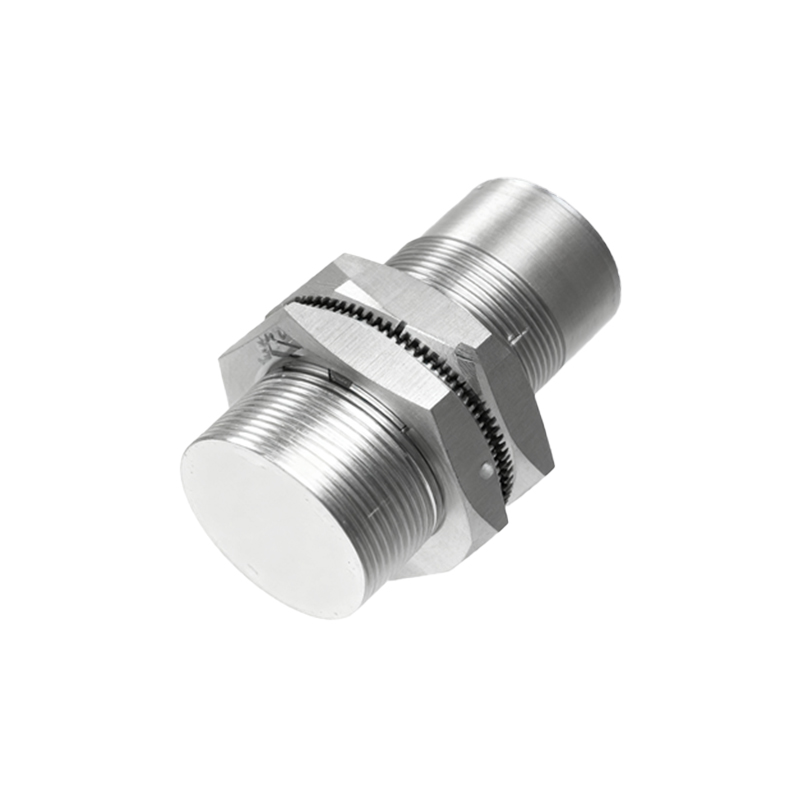
The functionality of miniature proximity sensors hinges on several key technologies. Inductive sensors are the most common type for detecting metallic objects. They generate an oscillating electromagnetic field from a coil. When a conductive metal enters this field, it induces eddy currents, which dampen the oscillation. The sensor's detection circuit monitors this damping effect. Capacitive sensors can detect both metallic and non-metallic materials (like plastic, wood, or liquids) by measuring changes in capacitance. The sensor and the target act as two plates of a capacitor. As the target approaches, the capacitance increases, triggering detection. Photoelectric sensors use a light emitter and a receiver. In the miniature variant, they employ modulated infrared LED light to avoid ambient light interference. The presence of an object is detected either by the interruption of the beam (through-beam) or by the reflection of light (reflective or diffuse mode).
Key Specifications and Performance Parameters
Selecting the right miniature sensor requires careful analysis of its specifications. Sensing distance, or nominal range, is critical and is often very precise (e.g., 2mm, 5mm, 10mm) due to the sensor's size. Repeat accuracy defines how consistently the sensor can detect an object at the same point. Response time, measured in milliseconds or microseconds, indicates how quickly the sensor can switch its output after detection, crucial for high-speed applications. The housing material, typically nickel-plated brass, stainless steel, or PBT plastic, determines environmental robustness. Other vital parameters include output type (PNP/NPN transistor, analog, IO-Link), supply voltage range (commonly 10-30V DC), and protection ratings like IP67 or IP69K for resistance to dust and water ingress.
Advantages Over Standard Proximity Sensors
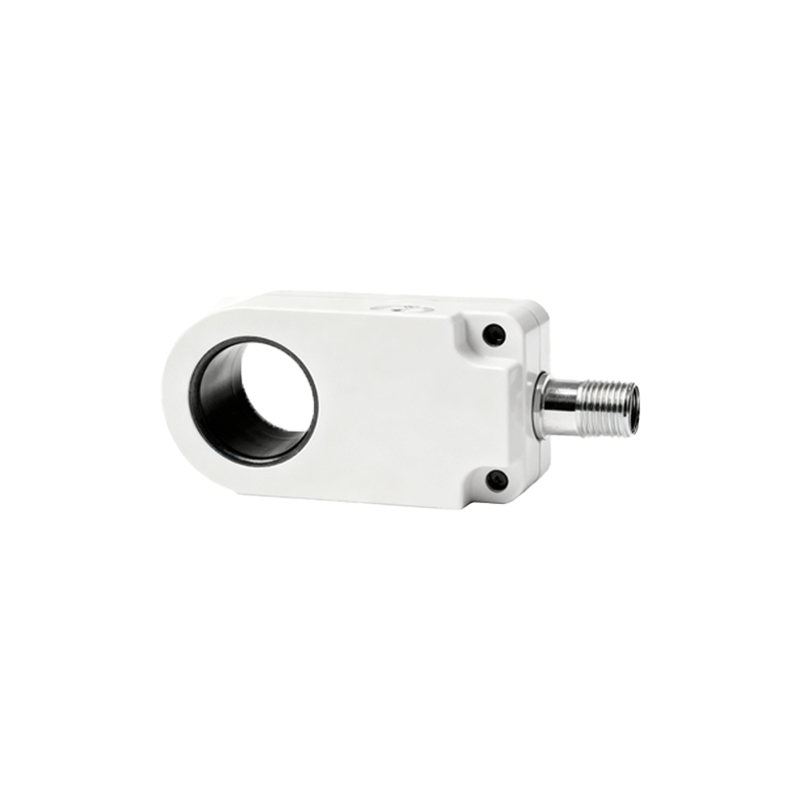
The miniaturization of these sensors offers distinct competitive advantages. Their primary benefit is enabling automation in extremely tight spaces, such as inside small machinery, compact grippers, or on miniature assembly lines. This allows for more sophisticated and dense machine designs. Reduced weight and lower mass contribute to less mechanical stress on mounting structures and are beneficial in dynamic, moving applications. Despite their size, modern miniature sensors often match or exceed the performance of larger units in terms of switching frequency and environmental resistance. Furthermore, their small sensing face allows for precise positional detection of tiny components, enhancing overall system accuracy and quality control.
Common Industrial Applications and Use Cases
The application spectrum for miniature proximity sensors is vast and growing. In robotics, they are embedded in gripper fingers to confirm part pickup or placed within joints for positional feedback. In semiconductor and electronics manufacturing, they detect the presence of tiny components on circuit boards or inside pick-and-place machines. Packaging machinery utilizes them to monitor film web breaks, count small products, or verify cap placement on miniature containers. Automotive assembly lines employ them for end-of-arm tooling verification and detecting small pistons or valves. They are also indispensable in medical device manufacturing for verifying the assembly of intricate parts like syringe plungers or inhaler mechanisms.
Installation Considerations and Best Practices
Proper installation is paramount for reliable operation. Designers must account for the reduced sensing range; even a small misalignment can cause failure. Mounting in non-ferromagnetic materials is preferred to prevent shielding effects, especially for inductive sensors. Adequate clearance from other metal objects (lateral and flush-mount distances) must be maintained as specified in the datasheet to avoid false triggering. Electrical wiring should be carefully routed, separating sensor cables from power lines to minimize electromagnetic interference. For threaded barrel styles, correct torque should be applied to avoid damaging the housing. Implementing these best practices ensures long-term stability, maximizes sensing performance, and prevents premature sensor failure in demanding industrial environments.
Future Trends and Technological Evolution
The future of miniature proximity sensors is driven by the demands of Industry 4.0 and smart factories. Integration of