Introduction to 220V 2-Wire Proximity Sensors
Proximity switch sensors operating at 220V AC with a 2-wire configuration represent a cornerstone of modern industrial automation. These robust, self-contained devices are engineered to detect the presence or absence of metallic objects without any physical contact. The 220V AC rating aligns directly with common industrial power supplies, eliminating the need for additional power conversion modules in many global applications. The fundamental principle relies on generating an electromagnetic field; when a metallic target enters this field, it induces eddy currents, causing a change in the sensor's internal oscillation. This change is processed to switch the internal solid-state output, effectively closing or opening the circuit to control loads like contactors, solenoid valves, or pilot lights. The 2-wire design simplifies installation dramatically, as it connects in series with the load, similar to a traditional mechanical switch, but with the longevity and speed of solid-state electronics.
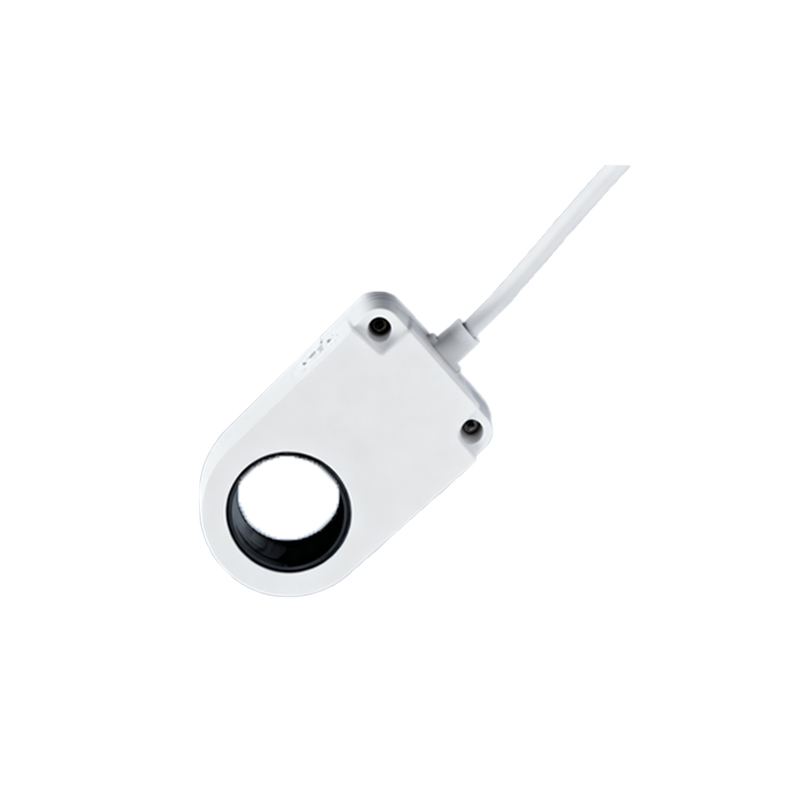
Key Operational Principles and Electrical Characteristics
The operation of a 220V 2-wire AC proximity sensor hinges on its ability to function with a residual current flow even in its "off" state. Unlike 3-wire or 4-wire sensors that have separate power and signal lines, the 2-wire variant must maintain a small leakage current (typically 1-3 mA) to power its internal circuitry when no target is present. When a target is detected, the sensor switches, allowing the full load current to pass. This design necessitates careful consideration of the "off-state current" or "leakage current." It must be low enough not to inadvertently activate the connected load (e.g., causing a contactor to chatter) but sufficient to keep the sensor's electronics alive. Key electrical specifications include the operating voltage range (e.g., 20-250V AC), switching current capacity, and the critical "minimum load current" requirement, which ensures the sensor receives enough current to operate reliably even with very small loads.
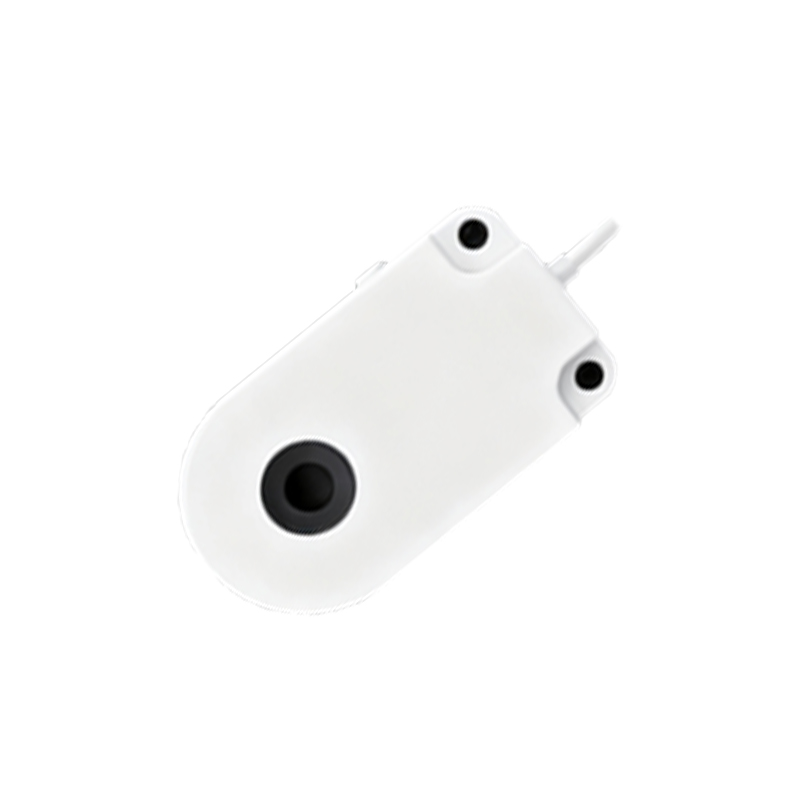
Wiring and Installation Best Practices
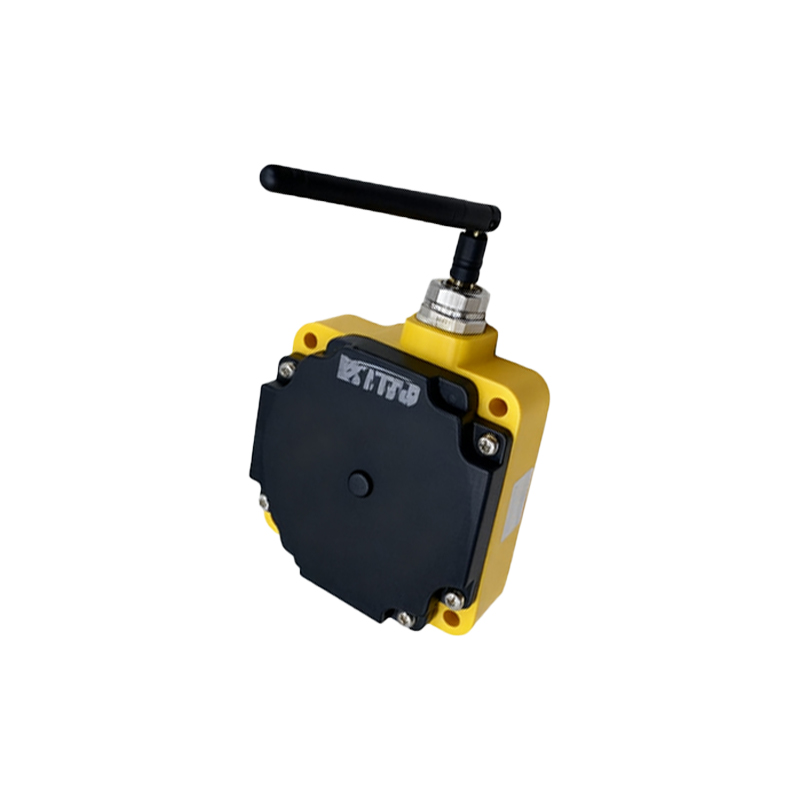
Installation of a 2-wire 220V AC proximity sensor is notably straightforward. The two terminals connect directly in series with the AC power source and the load. Polarity is not a concern for AC models. However, adherence to best practices is crucial for reliable operation. First, always ensure the sensor's voltage rating matches the supply voltage. Second, verify that the connected load draws at least the sensor's specified minimum load current; if not, a dummy load resistor must be added in parallel. Shielding and proper cable routing are essential in electrically noisy environments to prevent false triggering. The sensor body must be securely mounted, ensuring the correct sensing distance and orientation relative to the target material. It is also vital to provide a protective fuse or circuit breaker in the line, as the sensor itself has limited short-circuit protection.
Advantages Over Other Sensor Configurations
The primary advantage of the 2-wire, 220V AC proximity sensor is its exceptional simplicity and cost-effectiveness in panel design and field wiring. It reduces material costs (fewer wires, no separate DC power supply) and installation time. Its direct compatibility with standard AC control circuits makes it a drop-in replacement for limit switches, enhancing system reliability with no-moving-parts technology. Compared to 3-wire DC sensors, it often offers higher switching current capacities, suitable for directly controlling larger AC loads. This configuration also simplifies stock management for maintenance teams, as a single sensor type can serve numerous applications without needing different power supplies.
Critical Application Considerations and Limitations
While versatile, these sensors have specific limitations that engineers must account for. The leakage current is a non-negotiable design factor. The minimum load current requirement can be a challenge when interfacing with highly sensitive PLC digital inputs or low-power indicators; a bypass resistor is often the solution. The switching frequency of AC models is generally lower than their DC counterparts due to the zero-crossing switching of the internal thyristor or TRIAC output, making them less suitable for extremely high-speed counting applications. Furthermore, the sensing range can be slightly less than equivalent DC models, and performance can vary based on the target material (steel, aluminum, brass). Environmental factors like temperature, humidity, and the presence of cutting fluids or metal chips must also be considered, typically necessitating sensors with appropriate IP (Ingress Protection) ratings.
Selection Criteria for Optimal Performance
Selecting the right 220V 2-wire proximity sensor requires a systematic evaluation of application parameters. Key criteria include: 1) Sensing Distance: Choose a nominal sensing distance (e.g., 5mm, 10mm, 15