Introduction to Proximity Sensor Types
Proximity sensors are indispensable components in modern industrial automation, robotics, and safety systems. They detect the presence or absence of an object without physical contact, relying on various physical principles. This visual guide provides a comprehensive gallery of proximity sensor images, categorized by their core technology. Understanding the distinct physical appearances, mounting styles, and typical application environments depicted in these images is crucial for proper selection and integration. From compact cylindrical housings to complex rectangular arrays, the design directly correlates with the sensor's detection method, range, and environmental robustness.
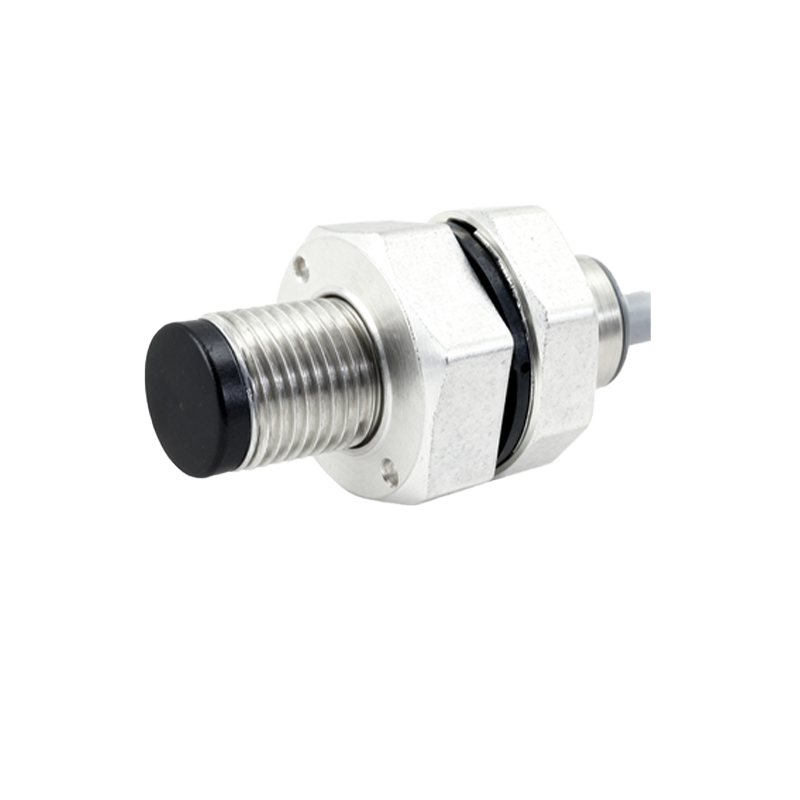
Inductive Proximity Sensors
Images in this category showcase metallic-cased sensors, typically in cylindrical threaded barrels (e.g., M8, M12, M18, M30) or rectangular block styles. The sensing face is usually made of a specialized polymer that allows the generated electromagnetic field to pass through. You will see images highlighting shielded and unshielded variants; shielded sensors can be flush-mounted in metal, while unshielded types offer longer sensing distances. Close-up photos often reveal the coil wound around a ferrite core inside. Common application images depict these sensors detecting metal parts on conveyor lines, verifying piston positions in pneumatic cylinders, or performing precise counting tasks in machining centers.
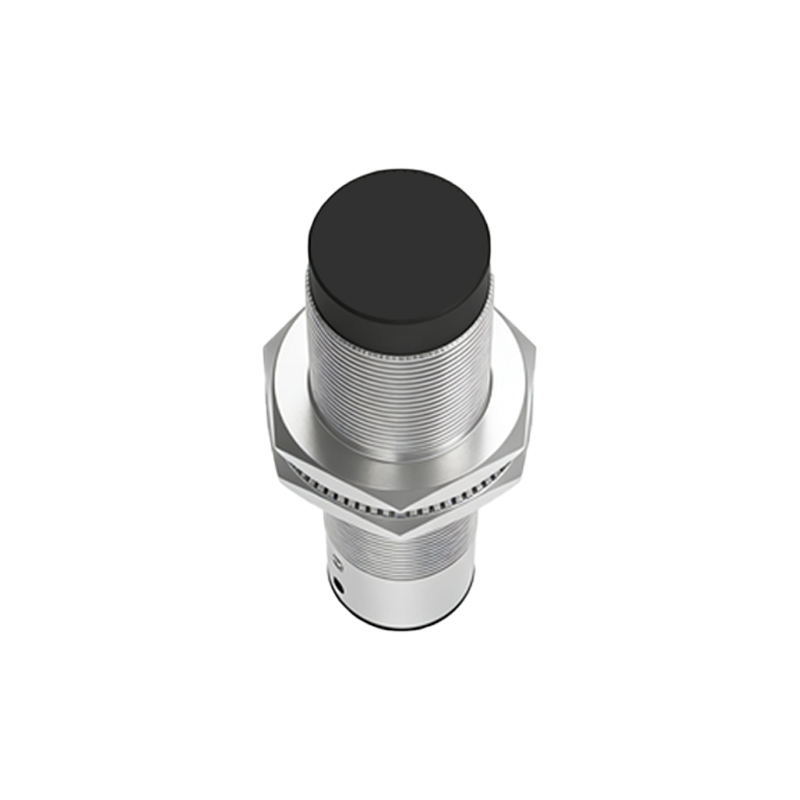
Capacitive Proximity Sensors
The visual distinction for capacitive sensors often lies in their sensing face, which is larger and may consist of two concentric electrodes. Housing styles are similar to inductive sensors but the materials may differ. The gallery includes images demonstrating their ability to detect non-metallic materials. You will see examples of capacitive sensors monitoring plastic or glass bottle levels in filling stations, detecting wood panels, or even sensing the presence of liquids through a container wall. Some specialized images show sensors with sensitivity adjustment potentiometers, allowing engineers to fine-tune the detection threshold for specific materials like granulates or powders.
Ultrasonic Proximity Sensors
This section features images of sensors with a distinctive transducer face, which is often a circular ceramic or metal disk for emitting and receiving sound waves. Housings are designed to protect the sensitive transducer from physical damage and environmental contaminants. The gallery includes both compact models for object detection and larger, barrel-shaped models for precise distance measurement. Application imagery is diverse, showing ultrasonic sensors in harsh environments—detecting transparent glass sheets, monitoring bulk material levels in silos, or ensuring proper stacking height in palletizing robots. Images also illustrate the importance of the sensor's mounting angle to avoid acoustic interference.
Photoelectric Sensors
The photoelectric sensor gallery is visually rich due to the variety of operating modes: through-beam, retro-reflective, and diffuse. Through-beam sensors are shown as two separate units: an emitter and a receiver, often in rectangular housings. Retro-reflective sensor images feature a single unit with an integrated light source and receiver, and often show a reflector plate in the detection path. Diffuse sensors are depicted as single, compact devices. Images highlight key features like visible red or laser light spots for easy alignment, various lens types for focused or wide beams, and fiber optic variants for extreme temperatures or tight spaces. Application photos demonstrate their use in detecting small objects, transparent films, or color marks at high speeds.
Magnetic Proximity Sensors (Reed & Hall Effect)
Images here focus on small, often rectangular or cylindrical sensors designed to detect the presence of a magnetic field, typically from a permanent magnet. Reed switch sensors are shown in glass capsules within protective housings. Hall Effect sensors are often depicted as solid-state chips in small epoxy packages or integrated into more robust industrial housings. The gallery includes cutaway views showing internal components. Common application visuals show these sensors embedded in hydraulic or pneumatic cylinders to detect piston position via a ring magnet, or used as door/window position sensors in safety interlocks. Their compact size is a key visual characteristic.
Specialized and Application-Specific Sensors
This final category presents images of sensors designed for unique challenges. This includes analog output sensors with 4-20mA or 0-10V signals for distance proportionality, shown with graphical output diagrams. High-temperature sensors feature images of units with ceramic faces or extended cooling fins. Washdown or hygienic sensors for food and pharmaceutical industries are displayed with polished stainless steel housings (often IP69K rated) and crevice-free designs. Images also illustrate safety-rated sensors (e.g., Type 4) with dual outputs and integrity monitoring, crucial for guarding hazardous machinery. Finally, networkable I/O-Link sensors are shown with connector styles that facilitate smart sensor data exchange beyond simple on/off signals.