Introduction to M5132 Proximity Sensor
The M5132 is a widely used inductive proximity sensor designed for industrial automation and control systems. It operates on the principle of electromagnetic induction to detect the presence or absence of metallic objects without physical contact. This non-contact detection capability makes it ideal for harsh environments where durability, reliability, and precision are critical. The sensor typically consists of an oscillator, a detection coil, a signal conditioning circuit, and an output stage. Its robust construction allows it to withstand vibrations, dust, and moisture, ensuring consistent performance in manufacturing, packaging, and material handling applications. Engineers favor the M5132 for its high switching frequency, long operational life, and ease of integration into various control setups.
Core Working Principle Based on Electromagnetic Induction
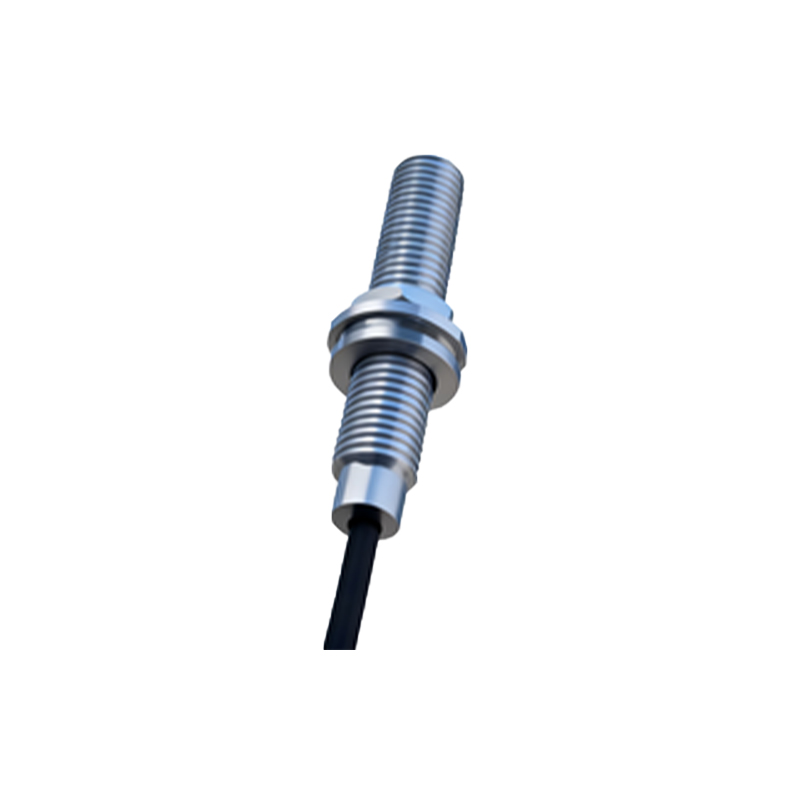
At the heart of the M5132 proximity sensor lies an LC oscillator circuit that generates a high-frequency electromagnetic field around its sensing face. When a metallic target enters this field, eddy currents are induced on the surface of the metal due to Faraday's law of electromagnetic induction. These eddy currents draw energy from the oscillator, causing a reduction in the amplitude of the oscillations. The sensor's internal circuitry monitors this amplitude change. Once the amplitude drops below a predefined threshold—indicating the presence of a metal object—the output state of the sensor switches. For instance, in a normally open configuration, the output turns on, sending a signal to a PLC or controller. The detection range, typically a few millimeters, depends on factors like the sensor's design, target material, and size. Ferrous metals generally yield a longer sensing distance compared to non-ferrous metals due to their higher permeability.
Internal Circuitry and Signal Processing
The M5132 incorporates sophisticated electronics to ensure accurate detection. The oscillator generates a constant high-frequency signal, which is fed into the coil. A demodulator circuit converts the amplitude changes into a DC voltage signal. This signal is then amplified and compared against a reference voltage by a comparator. If the signal exceeds the threshold, the output driver—often a transistor or solid-state switch—activates. Many M5132 models feature built-in protection against short-circuits, reverse polarity, and voltage spikes, enhancing their robustness in industrial settings. Additionally, some variants include LED indicators for visual status feedback, aiding in installation and troubleshooting. The sensor operates on a wide voltage range, commonly 10-30V DC, making it compatible with standard industrial power supplies.
Key Performance Characteristics and Specifications
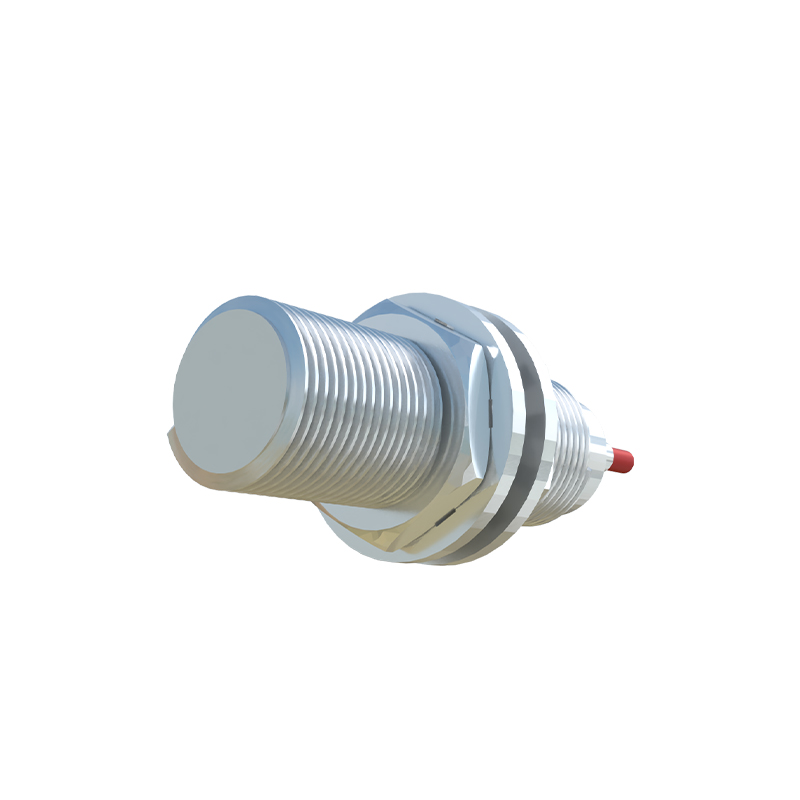
Understanding the specifications of the M5132 is crucial for proper application. Key parameters include sensing distance, which is rated nominally (e.g., 2mm) and can be adjusted for practical use considering a reduction factor for different metals. Repeat accuracy is typically within microns, ensuring reliable operation in precision tasks. The switching frequency can reach up to several kilohertz, allowing high-speed object counting or positioning. Temperature stability is another vital aspect, with operating ranges usually from -25°C to 70°C, preventing drift in sensitive environments. The M5132 also exhibits minimal hysteresis, meaning the switch-on and switch-off points are closely aligned, reducing errors in detection. Its housing, often made of stainless steel or nickel-plated brass, provides IP67 or higher ingress protection, safeguarding against dust and water immersion.
Typical Applications in Industrial Automation
The M5132 proximity sensor finds extensive use across various industries due to its versatility. In automotive manufacturing, it detects piston positions or verifies part presence on assembly lines. In packaging machinery, it monitors fill levels or counts products on conveyors. Material handling systems employ it for pallet positioning or limit switching in automated guided vehicles (AGVs). Additionally, it serves in robotics for end-effector positioning and in metalworking for tool breakage detection. Its non-contact nature eliminates mechanical wear, reducing maintenance needs and downtime. When integrating the M5132, engineers must consider mounting orientation, target alignment, and environmental interference from other electromagnetic sources to optimize performance.
Installation and Maintenance Best Practices
Proper installation is essential for maximizing the M5132's efficiency. The sensor should be mounted securely to avoid vibrations that could affect sensing accuracy. Adequate clearance around the sensing face is necessary to prevent interference from surrounding metal structures—this is often specified as a non-metallic zone in datasheets. Wiring should follow manufacturer guidelines, using shielded cables in electrically noisy environments to prevent false triggering. Regular maintenance involves checking for physical damage, cleaning the sensing surface from contaminants like oil or metal chips, and verifying output signals with a multimeter or oscilloscope. Calibration is rarely needed due to the sensor's stable design, but periodic functional tests ensure long-term