Proximity sensors have become indispensable components in modern industrial automation, robotics, consumer electronics, and automotive systems. Their ability to detect the presence or absence of an object without physical contact ensures reliability, longevity, and precision in countless applications. For businesses and engineers involved in procurement, understanding the sales landscape for these sensors is crucial for making informed purchasing decisions that balance performance, cost, and suitability.
The global market for proximity sensors is experiencing robust growth, driven primarily by the accelerated adoption of Industry 4.0 and smart factory initiatives. Manufacturers are increasingly integrating these sensors for tasks like position sensing, end-of-travel detection, counting, and inspection on high-speed production lines. The demand is particularly strong for inductive and capacitive sensors in manufacturing, while photoelectric sensors see wide use in packaging and material handling. A key trend within sales is the shift towards sensors with integrated IO-Link communication. This feature allows for parameter setting, remote monitoring, and diagnostic data exchange, facilitating predictive maintenance and reducing machine downtime. Sales data indicates that customers are willing to invest a premium for these smart functionalities due to the long-term operational savings they enable.
Another significant factor influencing sales is the miniaturization of sensors. As devices and machinery become more compact, the need for smaller, yet equally powerful, proximity sensors has surged. Ultrasonic and miniature photoelectric sensors are finding new applications in tight spaces within medical devices, compact robotics, and consumer electronics. Furthermore, the rise of electric vehicles (EVs) has created a substantial new market segment. Proximity sensors are critical in battery management systems, charging port detection, and various safety mechanisms within EVs, leading to specialized sensor sales tailored to automotive-grade requirements.
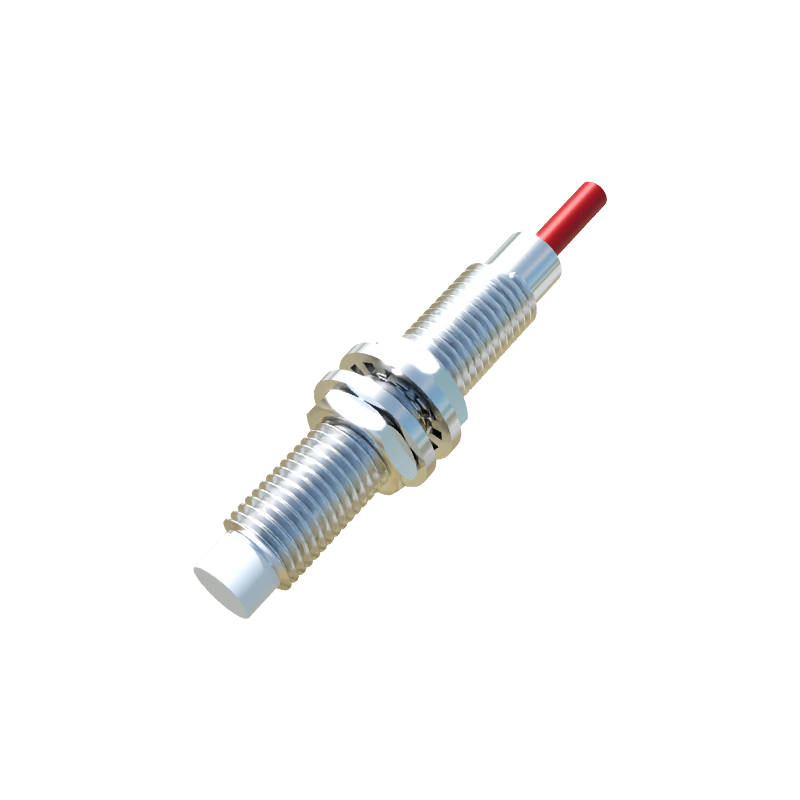
When navigating the sales process for proximity sensors, several technical and commercial considerations are paramount. First, clearly define the application requirements: the target material (metal, plastic, liquid), required sensing distance, environmental conditions (temperature, exposure to chemicals or washdowns), and output type needed (PNP/NPN, analog, IO-Link). A common mistake is selecting a sensor based solely on price or catalog specifications without considering the actual operating environment, which can lead to premature failure.
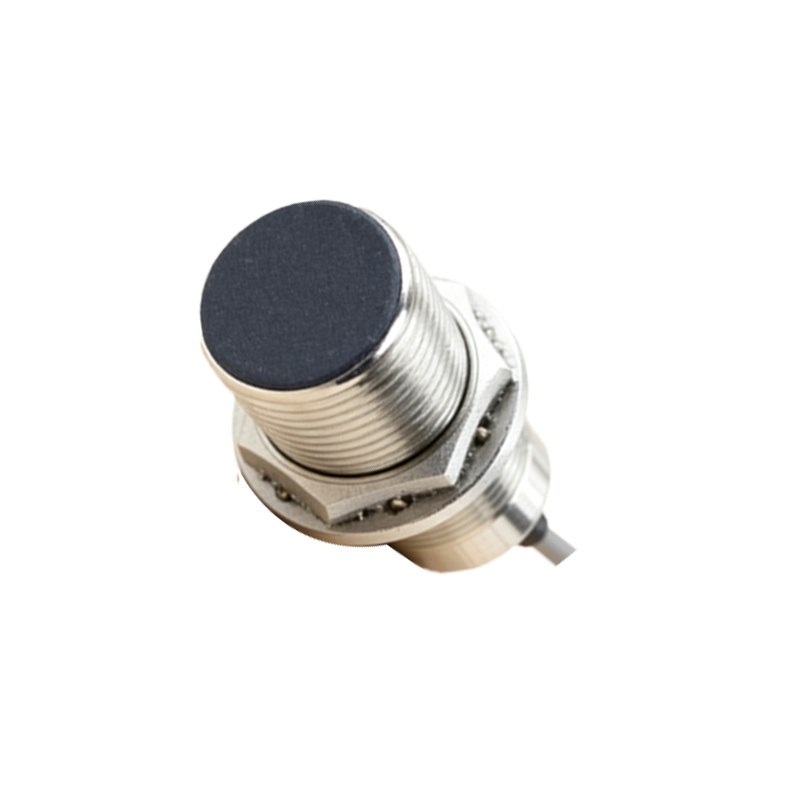
Second, evaluate the total cost of ownership, not just the unit price. Consider factors like installation time, wiring complexity, compatibility with existing controllers, and the availability of technical support from the supplier. Established sensor manufacturers and their authorized distributors often provide superior application engineering support, which can prevent costly errors in integration. For high-volume or critical applications, requesting samples for on-site testing is a highly recommended step before finalizing a large purchase.
Finally, the supply chain and logistics aspect has become a critical part of the sales conversation post-2020. Lead times can vary significantly between standard and specialized sensor models. Building a relationship with a distributor that maintains strategic stock or opting for manufacturers with multiple production facilities can mitigate project delays. The sales dialogue now frequently includes guarantees on availability and discussions around inventory management programs.
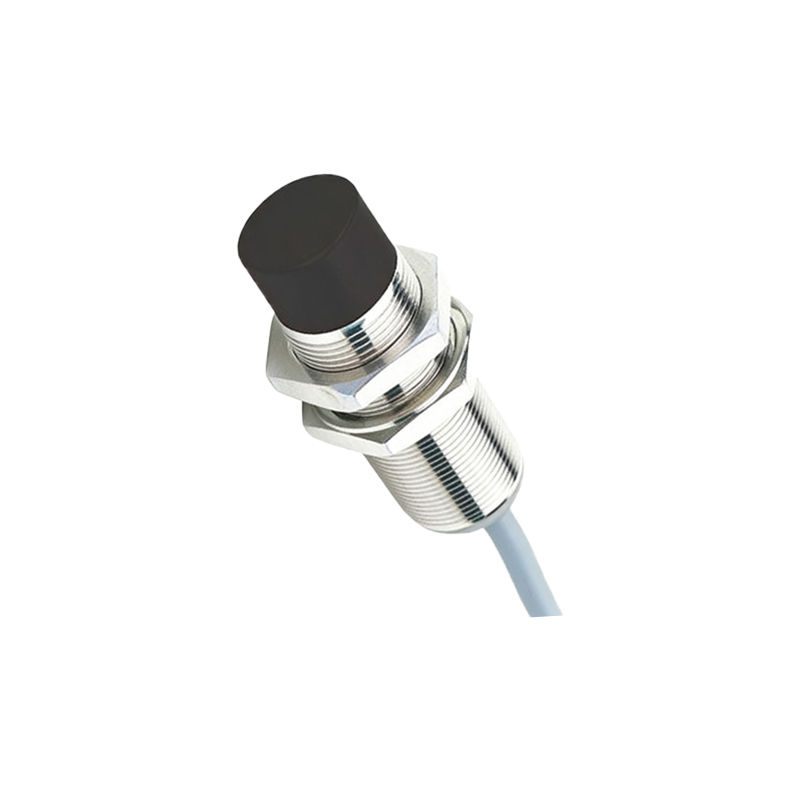
In conclusion, succeeding in proximity sensor sales—whether as a seller or a buyer—requires a blend of technical knowledge and market awareness. The market is moving towards smarter, more connected, and more application-specific solutions. By focusing on the operational needs of the end application and prioritizing quality and support over the lowest initial cost, businesses can ensure they select the right sensor technology to enhance efficiency, safety, and productivity for years to come.